








Keeping Kids Safe from COVID-19 this School Year

Translate to Spanish or other 102 languages!

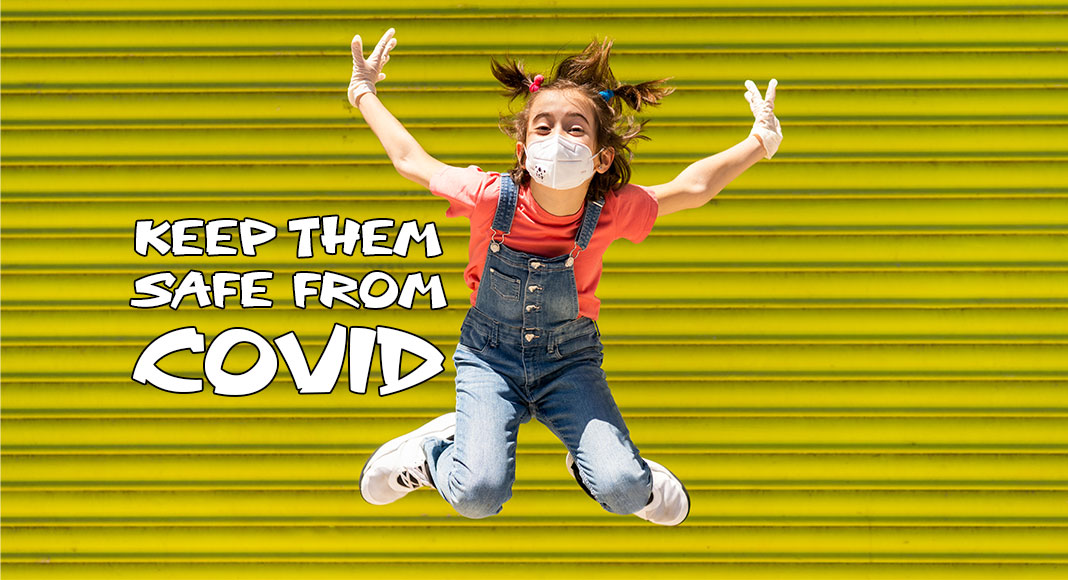
As students head back to school, cases of COVID-19 are popping up in classrooms across the country, which has many parents concerned. So, what can they do to keep their children safe? Image for illustration purposes.

Mega Doctor News

- Advertisement -

Cleveland Clinic – As students head back to school, cases of COVID-19 are popping up in classrooms across the country, which has many parents concerned. So, what can they do to keep their children safe?

“We are now seeing more and more children get infected and get sick, especially if they have underlying lung problems, like asthma, which is extremely common, or problems with their immune system, or problems with development,” explained Frank Esper, MD, infectious disease specialist for Cleveland Clinic Children’s.

Dr, Esper said the CDC has made it a priority for kids to return to learning in-person and has laid out safety recommendations for schools.

- Advertisement -

The federal agency encourages all students to wear masks, regardless of whether they have been vaccinated.

Currently, only children 12 years and older are eligible for the vaccine.

Hand washing and social distancing are also promoted.

Dr. Esper knows some parents may still be hesitant about the vaccine, however, it’s really going to be the best line of defense to protect your child.

- Advertisement -

“These vaccines have shown to be very effective and very safe in children. We watch everybody very closely to make sure there are no severe side effects. But, we can tell you that the infection can be very severe, so when we balance the benefits and risks, the benefits far outweigh the risk,” he said.

Common symptoms of COVID-19 in children include fever, chills, cough, nasal congestion and loss of taste or smell. If you suspect your child is sick, you should contact your family physician.


- Advertisement -
- Advertisement -

- Advertisement -

More Articles

$5.5 Million in Grants Awarded to Expand Texas Healthcare Services

Three Statewide Preceptorship Program (SPP) grants were awarded totaling $5.5 million to professional medical societies in Texas. The grants support hands-on training for Texas medical students in family medicine, general internal medicine, and pediatrics, including pediatric subspecialties. 

STHS Shares Essential Summer Food Safety Tips

Because most foodborne illnesses are preventable, proper food safety practices are key to keeping every summer meal safe.

DHR Health Transplant Institute Earns Top State and National Rankings

The DHR Health Transplant Institute announced today that it has been recognized among the state’s and nation’s top performing kidney transplant centers, earning the no. 2 ranking in the State and no. 16 ranking in the Nation, according to the Scientific Registry of Transplant Recipients (SRTR).  

New Noninvasive Tech Tracks Infant Vital Signs Without Wires

In the neonatal intensive care unit, the most fragile patients in medicine are often the most heavily wired. Premature babies, some weighing less than a pound, can be tethered to a tangle of cables, monitors, and sensors. Each blood draw to check sugar levels or electrolytes means another needle, another bandage, another moment of stress for an infant whose skin is still forming.
- Advertisement -
