







Mega Doctor News

(Family Features) By plane, boat and foot, 2 billion COVID-19 vaccines are making their way to some of the most remote corners of the globe as part of the largest and fastest vaccine operation in history.
To help ensure an equitable global vaccine distribution and end the pandemic as quickly as possible, the United Nations Children’s Fund (UNICEF) and partners have been called upon by GAVI, the global vaccine alliance, to lead procurement and distribution efforts for the COVAX Facility, helping vaccines reach 180 countries by the end of 2021.
The largest vaccine buyer in the world, UNICEF reaches almost half the population of children with routine immunizations every year and has 75 years of experience responding to public health emergencies around the globe. Before COVID-19 was declared a pandemic, the organization was already providing support, and has delivered more than 200 million masks to more than 100 countries.

From Warehouse to Health Facility
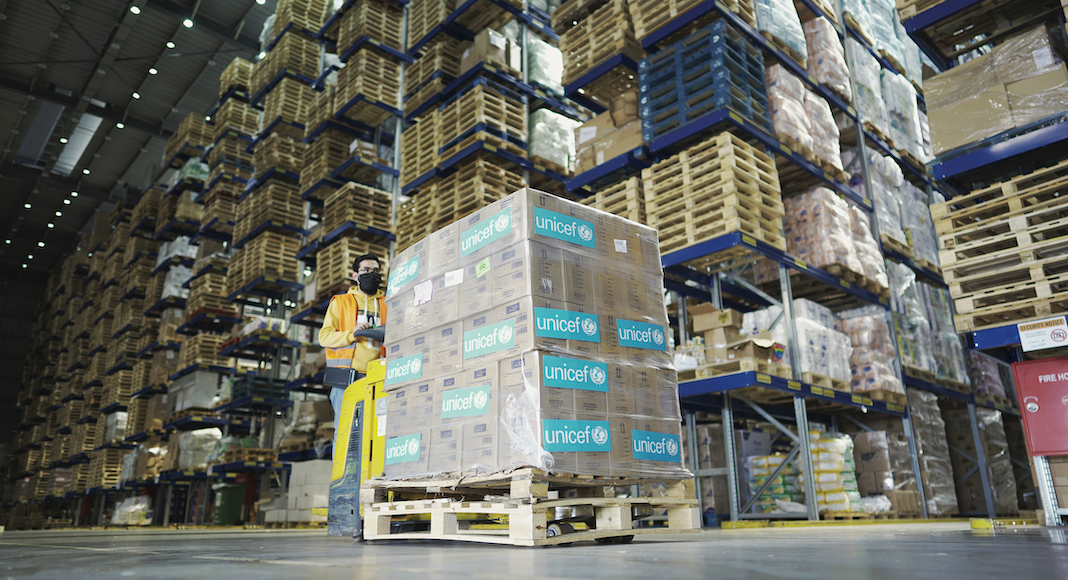
From its humanitarian warehouse that can deliver supplies anywhere within 72 hours, UNICEF is expected to transport up to 850 tons of COVID-19 vaccines per month in 2021, more than double its average vaccine shipment. To support this increase, the organization established the Humanitarian Airfreight Initiative where more than 10 leading airlines have committed to prioritizing shipments of COVID-19 vaccines, essential medicines, medical devices and other critical supplies.
The organization is also working with governments, helping prepare their infrastructures to rapidly receive vaccines. To store and preserve doses, 70,000 cold-chain fridges, including solar fridges, will be installed in health facilities mainly in Africa by end of year.
Protecting Communities
To promote safe vaccinations, health care workers are partaking in training on COVID-19 vaccine storage, handling and administration. The organization expects to provide 1 billion syringes for injections and 5 million safety boxes for proper needle disposal. Each safety box carries 100 syringes and helps prevent accidental needle injuries that could potentially transmit blood borne diseases.
A Long Road to Recovery
For children and families around the world, this recovery effort is crucial. According to UNICEF data, this is the first year that poverty rates are expected to increase in 25 years. Additionally, 6.7 million children are at risk of severe malnutrition due to food insecurity caused by COVID-19, and over 1 billion children were forced out of school since lockdowns began.
Equitable access to a vaccine helps mitigate public health and economic impacts of the pandemic. Only once the spread slows and stops can people begin to reimagine and build a better future for children and families. This mission takes a joint effort, starting in laboratories and warehouses and ending in local communities.
To learn more about keeping safe or help fund the operation, visit unicefusa.org/COVIDvaccines.
#15695
Source: UNICEF


