








Importance of Skin Cancer Prevention

Translate to Spanish or other 102 languages!

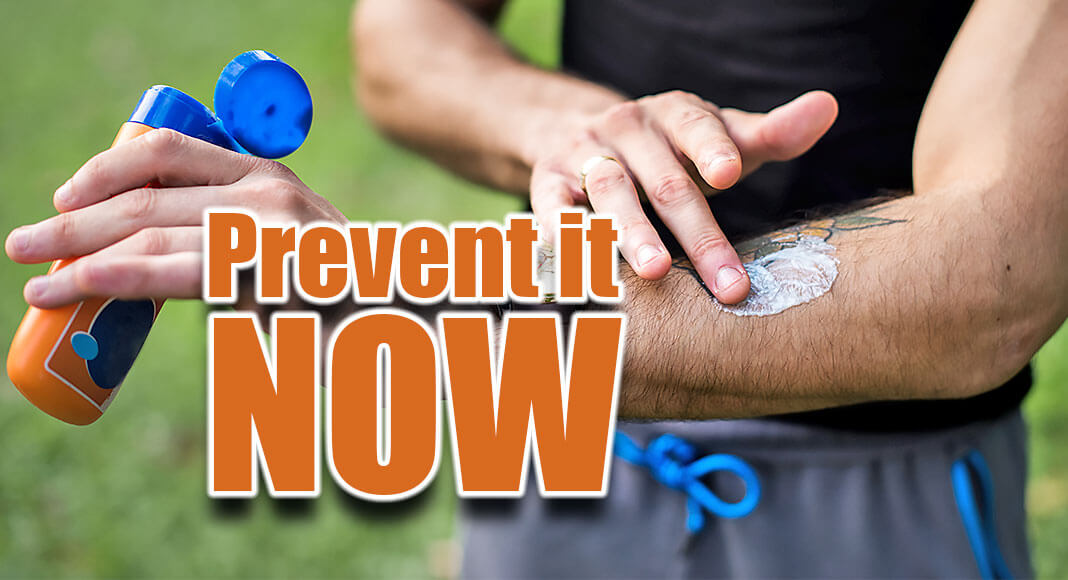
For those unfamiliar, melanoma is considered the most invasive form of skin cancer and has the highest risk for death. Image for illustration purposes

Mega Doctor News

- Advertisement -

CLEVELAND CLINIC – For those unfamiliar, melanoma is considered the most invasive form of skin cancer and has the highest risk for death.

It’s also another reason why skin cancer checks are so important.

“It’s so important, especially for people who love being outdoors and who are fair skinned. I think it’s interesting that often times the people who aren’t very fair skinned and who don’t burn, are the ones who tend not to go and get checked because they say ‘Oh yeah, I get a tan very easily’,” said Philip Bernard, MD, who specializes in dermatology for the Cleveland Clinic Family Medicine department.

Dr. Bernard said anyone can get skin cancer and age doesn’t matter, either. It mostly depends on a person’s family background and history of sun exposure.

- Advertisement -

So, what can someone do to help protect themselves?

For starters, avoid being out in the sun between 10 a.m. and 4 p.m. and wear sun protective clothing when possible.

You should also be regularly applying sunscreen that is SPF 15 or higher.

Routine skin checks at home can be helpful as well. It is recommended that you look at your body in a full-length mirror, examining every part, including your scalp, back and buttocks.

- Advertisement -

Finally, Dr. Bernard said avoid tanning beds at all cost.

“Tanning bed use will increase your chance of getting melanoma. So if you are young and spend a lot of time in the tanning bed, I think you need to think again about what is the best way to care for your skin long term and prevent that from happening,” he said.

If you notice any kind of unusual moles or spots on your skin, Dr. Bernard said you should consult with a dermatologist. It’s best to be on the safe side, even if it turns out to be nothing.


- Advertisement -
- Advertisement -

- Advertisement -

More Articles

STHS Dedicating Latest “South Texas Healthy Living” Episode to Arthritis Education, July 26th

More than 58 million U.S. adults are living with doctor-diagnosed arthritis, according to the Centers for Disease Control and Prevention (CDC), making it the nation’s leading cause of disability.

No More Needles: FDA Approves First Daily Pill to Replace Injectable Cholesterol Drugs

The U.S. Food and Drug Administration approved Lipfendra (enlicitide), the first oral inhibitor of proprotein convertase subtilisin/kexin type 9 (PCSK9), as an adjunct to diet and exercise to reduce low-density lipoprotein cholesterol (LDL-C), or “bad” cholesterol, in adults with hypercholesterolemia, including those with heterozygous familial hypercholesterolemia (HeFH). Image source: Merck.com.

STHS Heart Ranks Among Nation’s Top Hospitals for Heart Attack Care

Every year, more than 800,000 people in the United States suffer a heart attack, according to the Centers for Disease Control and Prevention, an event that occurs approximately every 40 seconds.

DHR Health Burn Surgeon Urges Public to Avoid Preventable Risks

Many of the most serious burn and trauma injuries can be prevented by avoiding unnecessary risks, according to Dr. R. Dewayne Edwards, chief burn surgeon, surgical critical care and trauma surgeon at DHR Health, who said public awareness and timely medical care remain essential to improving patient outcomes.
- Advertisement -
