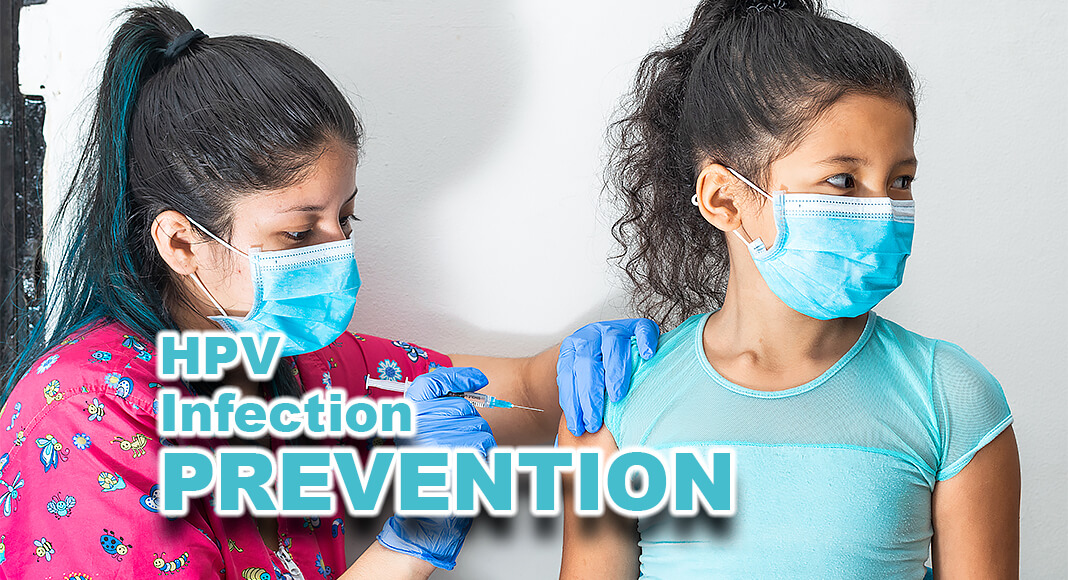

HPV Infection Prevention

Translate to Spanish or other 102 languages!

Most HPV infections (9 out of 10) go away by themselves within 2 years. But sometimes, HPV infections will last longer and can cause some cancers.  Image for illustration purposes
Most HPV infections (9 out of 10) go away by themselves within 2 years. But sometimes, HPV infections will last longer and can cause some cancers. Image for illustration purposes
- Advertisement -

HPV, or human papillomavirus, is a common virus that can cause cancers later in life. You can protect your child from these cancers with HPV vaccine at age 11–12 years.

HPV infections are common

HPV infections are very common. Nearly everyone will get HPV at some point in their lives.

  • More than 42 million Americans are infected with types of HPV that are known to cause disease.
  • About 13 million Americans, including teens, become infected each year.

HPV is spread through intimate skin-to-skin contact. You can get HPV by having vaginal, anal, or oral sex with someone who has the virus, even if they don’t have signs or symptoms.

- Advertisement -

Some HPV infections can lead to cancer

Most HPV infections (9 out of 10) go away by themselves within 2 years. But sometimes, HPV infections will last longer and can cause some cancers. HPV infections can cause cancers of the:

  • Cervix, vagina, and vulva
  • Penis
  • Anus
  • Back of the throat (called oropharyngeal cancer), including the base of the tongue and tonsils

Every year in the United States, HPV causes about 36,000 cases of cancer in both men and women.

Prevent cancer with HPV vaccine

CDC recommends two doses of HPV vaccine at ages 11–12 years. HPV vaccination can be started at age 9 years.

Children who get the first dose before their 15th birthday only need two doses. Teens who get the first dose on or after their 15th birthday need three doses.

- Advertisement -

The HPV vaccine series is most effective when given before a person is exposed to the virus.

Information Source: CDC

- Advertisement -
- Advertisement -

- Advertisement -

More Articles

The Science of Relief: Knowing Exactly When to Use Heat or Ice

Mega Doctor News CLEVELAND CLINIC - When it comes to strains, sprains, bumps...

As RGV Heat Soars, STHS Urges Public to Take Safety Precautions

Mega Doctor News As extreme summer temperatures return to the Rio Grande...

How Heart Arrhythmia Impacts the Brain

An irregular heartbeat, or arrhythmia, leads to inefficient pumping of blood by the heart, which then prevents blood and oxygen from getting to the body’s other organs. When blood and oxygen flow poorly to the brain, the risk of stroke and cognitive decline increases. 

AI Breakthrough Offers New Hope for Early Dementia Diagnosis

Alzheimer’s disease and related dementias are expected to more than double by 2060. As June marks Alzheimer’s and Brain Awareness Month, three University of Florida researchers are working to improve clinicians’ ability to distinguish between these diseases — a critical step toward earlier diagnosis and better outcomes. 
- Advertisement -