







How to Prevent RSV in Infants & Young Children, According to Experts

Translate to Spanish or other 102 languages!

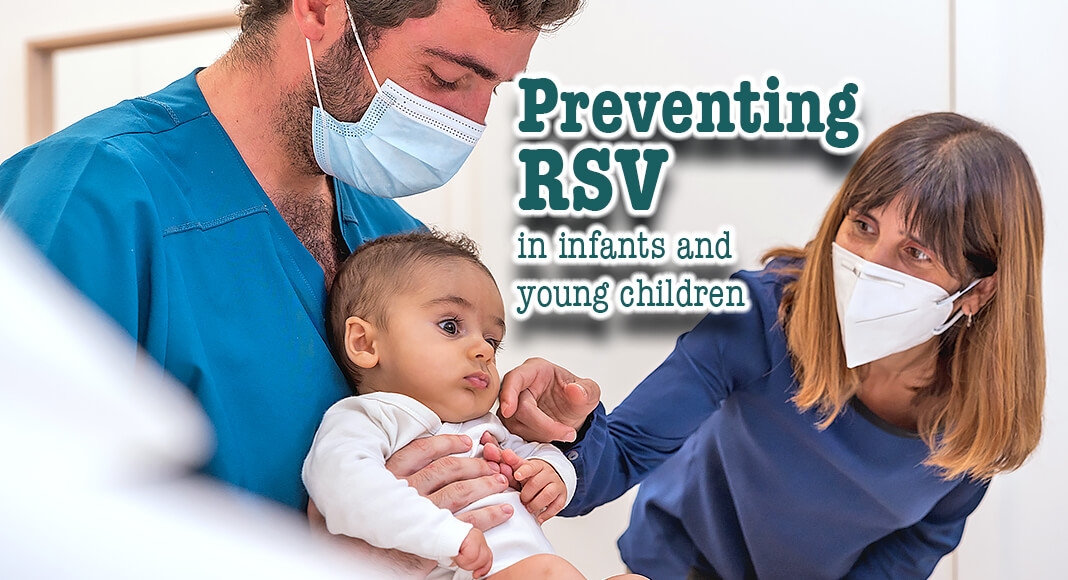
RSV infection can become serious in infants and young children, but there are ways to protect against severe illness. Image for illustration purposes
- Advertisement -
  • Respiratory syncytial virus (RSV) is a common virus that may cause severe symptoms in infants, young children, and even older adults. 
  • RSV is the most common cause of infant hospitalizations in high-income countries. 
  • In 2019, about 1.4 million infants ages 0–6 months globally were hospitalized for episodes of RSV-associated acute lower respiratory infection. 
  • RSV infection can become serious, but there are ways to protect infants and young children from severe illness.

Respiratory syncytial virus (RSV) commonly presents with cold-like symptoms, such as a runny nose and cough.

Follow the link below to Medical News Today to read the full story:

https://www.medicalnewstoday.com/articles/rsv-prevention-infants-young-children

- Advertisement -

Information Source: https://www.medicalnewstoday.com

- Advertisement -

- Advertisement -

- Advertisement -

More Articles

New Study Explores Ear Acupressure as Relief for Chemo-Induced Neuropathy

Mega Doctor News by UTHealth Houston Newswise — A small point on the ear could...

New Ways to Treat Endometriosis and Fibroids

Endometriosis and uterine fibroids are two of the most common gynecological conditions. While they have important differences, they also have things in common.

Nursing Job Turnover Reaches Historic Highs

Mega Doctor News by University of Michigan Newswise - The COVID-19 pandemic did not...

How Sleepy Days and Restless Nights Damage Your Blood Pressure

A new study from Penn State College of Medicine to be presented at the SLEEP 2026 annual meeting found that excessive daytime sleepiness is associated with higher odds of both prevalent and incident hypertension, and taking 30 minutes or longer to fall asleep further increases that risk.
- Advertisement -


