loader image
Thursday, February 19, 2026
79.2 F
McAllen
- Advertisement -

How to Prevent RSV in Infants & Young Children, According to Experts

Translate to Spanish or other 102 languages!

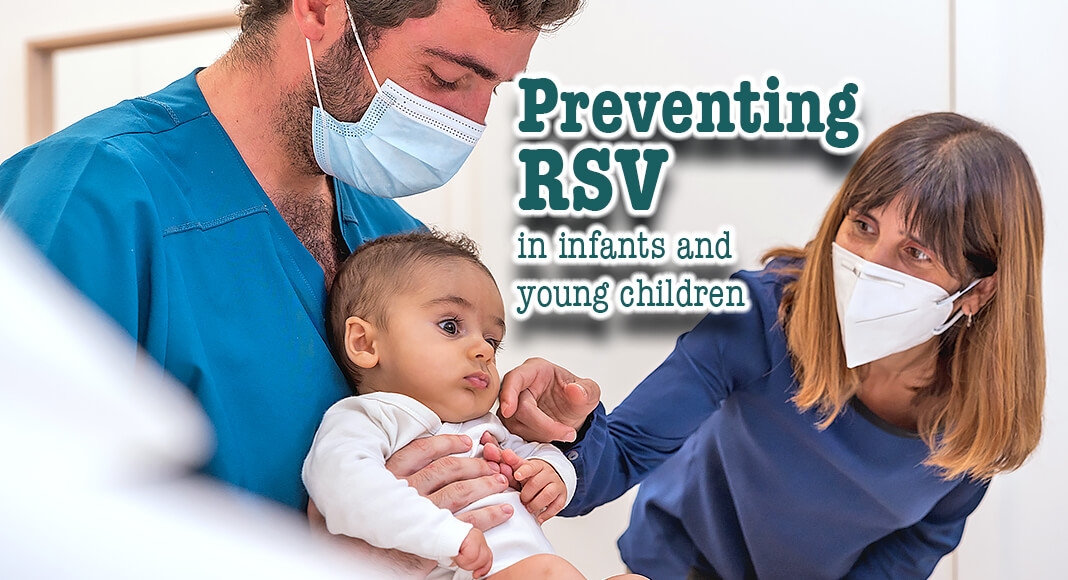
RSV infection can become serious in infants and young children, but there are ways to protect against severe illness. Image for illustration purposes
- Advertisement -
  • Respiratory syncytial virus (RSV) is a common virus that may cause severe symptoms in infants, young children, and even older adults. 
  • RSV is the most common cause of infant hospitalizations in high-income countries. 
  • In 2019, about 1.4 million infants ages 0–6 months globally were hospitalized for episodes of RSV-associated acute lower respiratory infection. 
  • RSV infection can become serious, but there are ways to protect infants and young children from severe illness.

Respiratory syncytial virus (RSV) commonly presents with cold-like symptoms, such as a runny nose and cough.

Follow the link below to Medical News Today to read the full story:

https://www.medicalnewstoday.com/articles/rsv-prevention-infants-young-children

- Advertisement -

Information Source: https://www.medicalnewstoday.com

- Advertisement -

- Advertisement -

- Advertisement -

More Articles

Can AI Help Predict Outcomes in Ovarian Cancer?

 An international team of researchers has received $2 million in support to understand how artificial intelligence can improve prediction of ovarian cancer survival and treatment response

Mayo Clinic Identifies How Lung Tumors Evade Immunotherapy

Mega Doctor News By Rebecca Bromelkamp / Mayo Clinic PHOENIX — Mayo Clinic researchers and...

Love Hot Showers? Your Skin Might Not.

There’s nothing better than taking a hot shower on a cold winter day. While it may feel good, it’s not so great for your skin.  

When Insomnia and Sleep Apnea Combine, Heart Risk Soars

In a recently published Journal of the American Heart Association study of nearly one million post-9/11 U.S. veterans, researchers found that adults with both insomnia and obstructive sleep apnea face substantially higher risks of hypertension and cardiovascular disease than those with either condition alone. The combination, known as comorbid insomnia and sleep apnea (COMISA), emerged as a distinct and harmful risk state.
- Advertisement -
×