








How to Bounce Back from a Bad Night’s Sleep

Struggling after a night of tossing and turning? A sleep specialist goes over how to recover from a bad night's sleep.

Translate to Spanish or other 102 languages!

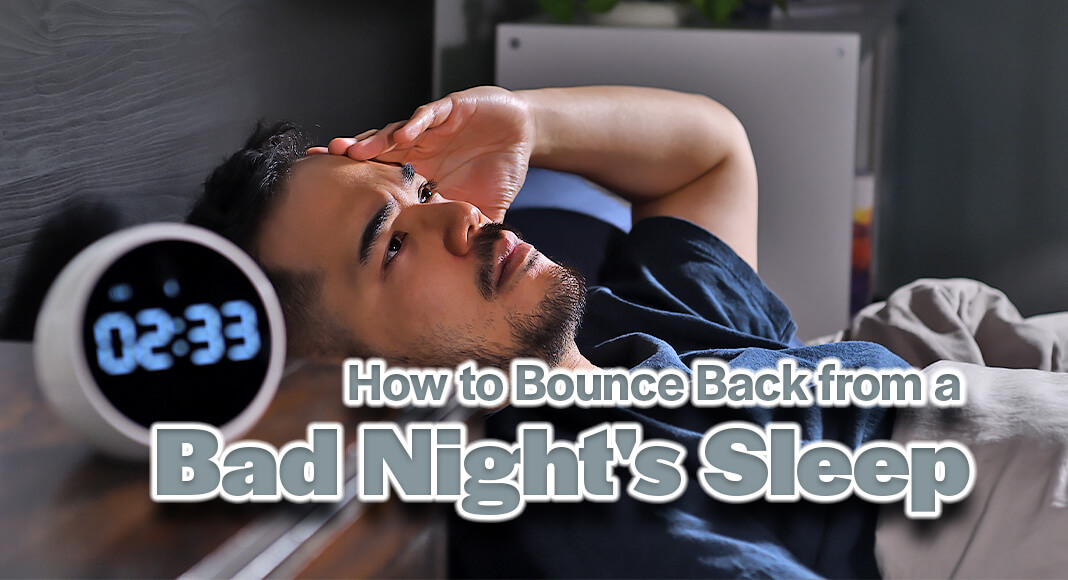
We all know the struggle after getting a bad night’s sleep, but there are steps you can take the following day to help you bounce back. Image for illustration purposes
- Advertisement -

CLEVELAND CLINIC – We all know the struggle after getting a bad night’s sleep, but there are steps you can take the following day to help you bounce back.

“Generally, we recommend you go to sleep the next night at your regular bedtime. We don’t necessarily want to promote long naps during the day because that’s going to erode sleep quality the following night,” said Nancy Foldvary, DO, a sleep specialist for Cleveland Clinic.

Dr.Foldvaryexplained the overall goal is to fall asleep and wake up at the same time every day.

- Advertisement -

Sticking to your regular bedtime, no matter what, will help get you back to a regular schedule.

If you can’t resist a nap after a night of tossing and turning, Dr. Foldvary recommends keeping it to 20 minutes, so you’ll still be tired when it’s time to hit the hay.

Aside from that, caffeine in moderation, exercise and getting some sunshine can help tide you over.

Above all, Dr.Foldvary said to avoid oversleeping to catch up on missed sleep because you can’t truly recover from chronic sleep loss – which can carry serious consequences. 

- Advertisement -

“We now know that chronic insufficient sleep leads to weight gain, obesity, insulin resistance and diabetes,” Dr. Foldvary said.“It can also increase the risk of cardiovascular disease, cardiac arrhythmias, hypertension and more.”

If you continue struggling to get good sleep, Dr. Foldvary saidit’s time to take a close look at your environment and make sure it’s not something like your mattress keeping you up at night.

She encourages people to see a sleep expert if any problems persist, as it could be an underlying sleep disorder.


- Advertisement -
- Advertisement -

- Advertisement -

More Articles

New Book Gives Families Language to Discuss Epilepsy

Each November, National Epilepsy Awareness Month invites people to learn how to recognize and respond to a seizure. 

Study Links Higher Vitamin D Levels to Better Sleep

Higher vitamin D levels were associated with longer and less interrupted sleep in middle-aged and older adults, in a study led by researchers at the Johns Hopkins Bloomberg School of Public Health in collaboration with scientists at the National Institute on Aging.

Caring for Others Starts With Caring for Yourself

November is National Family Caregivers Month. Whether you're caring for an aging parent or a loved one with a chronic illness, caregiving can be stressful. It's important to remember taking care of yourself is just as important.

Mayo Clinic Study Sheds New Light on Memory Loss

A new framework, published in Brain, could reshape researchers' understanding of how the brain creates memories and experiences, and how disruptions in this process may indicate Alzheimer’s disease and other forms of dementia.
- Advertisement -