Mega Doctor News

CLEVELAND CLINIC – When it comes to staying sharp as we age, there are many factors that can play a role – including what we eat.
As Sandra Darling, DO, who specializes in lifestyle medicine at Cleveland Clinic explains, it’s especially important to make sure we’re getting enough protein.
“Protein is one of the macronutrients that we need to maintain muscle. There’s research showing that when people consume an adequate amount of protein as we age, it can actually protect our brain health and it can slow cognitive decline that occurs naturally as we age,” said Dr. Darling.

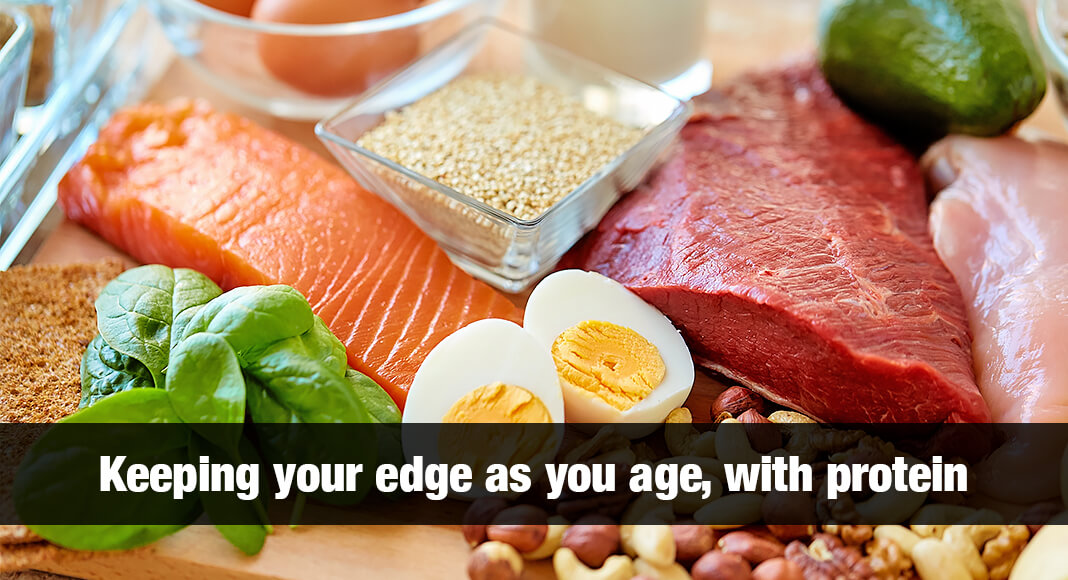
She said protein can be found in all kinds of foods, including meat, cheese, eggs, fish, beans, lentils, nuts and seeds.
So how much protein should we be eating on a daily basis?
For adults, about one gram of protein per kilogram of body weight is recommended up until the age of 65.
After that, it should be increased to 1.2 grams.
And while it may be tempting to only get your protein from foods like meat and cheese, you should look at plant-based sources too.
They contain more fiber and other vital nutrients.
“One other tip, we need to consume that amount of protein per day but specifically divided among three meals. So, people tend to increase their protein intake in the evening. For example, eating meat with dinner. But it’s better for our health and for maintaining muscle mass to divide up that total protein among three meals per day.”
Dr. Darling adds that protein bars and protein powders are okay to consume on occasion.
However, since they often contain sweeteners and other additives, it’s best to get your protein from whole foods.