Mega Doctor News
By Thor Christensen, American Heart Association News
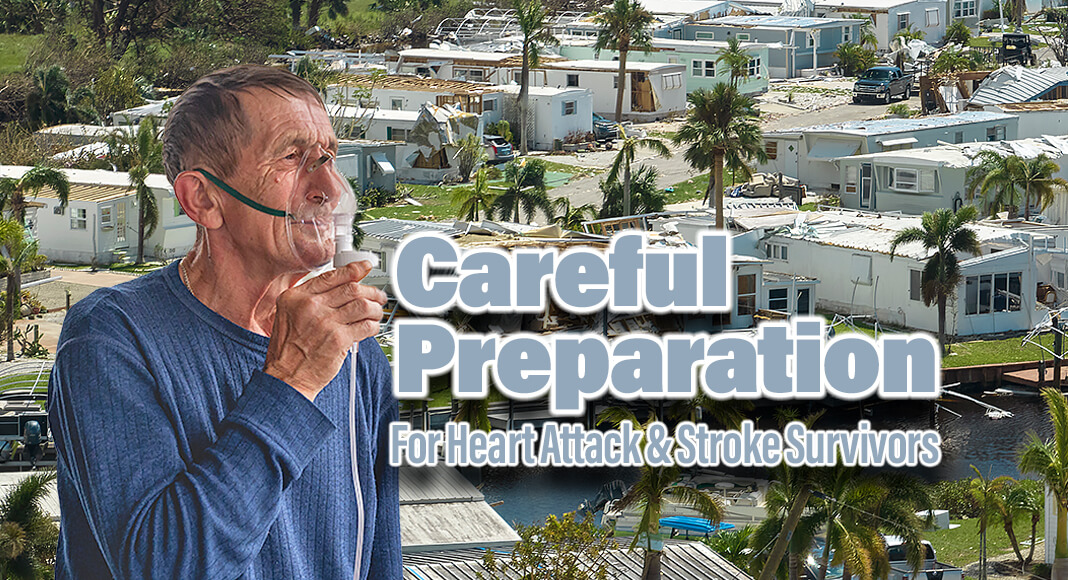
Environmental disasters are difficult for anyone. For people with cardiovascular disease, they can be particularly risky.
As wildfire and hurricane seasons kick into high gear, experts urge extra caution for people who’ve had a heart attack or stroke or have other forms of cardiovascular disease.

Wildfire smoke
Research shows wildfire smoke has a significant impact not just on the respiratory system, but on cardiovascular health as well.
“The inhaled small particulate matter from smoke can cause inflammatory effects as well as a cardiovascular response to the stress, including changes in the blood vessels and increased heart rate and blood pressure,” said Dr. Celina Yong, director of interventional cardiology at Veterans Affairs Palo Alto Health Care System in California. “For people with underlying heart disease, this can trigger exacerbation of existing problems.”
An overview published last year in the American Heart Association journal Circulation described wildfire smoke as “a rapidly growing threat to global cardiovascular health” and said that even short-term exposure can lead to heart attacks, strokes or cardiovascular-related deaths.
Complicating matters is the unpredictable nature of wildfires. In early June, U.S. residents in the Northeast and Midwest were caught off guard when an orange-gray fog of smoke blew down from Canada, where dozens of wildfires were burning.
Still, there are steps you can take to prepare.
People with cardiovascular disease should check air quality reports every day when there is a concern for air pollution, said Yong, also an associate professor of medicine at Stanford University. “Pay attention to the instructions for sensitive individuals regarding whether it’s safe to go outdoors.” One example is AirNow from the Environmental Protection Agency and other agencies that provides real-time air quality index readings.
Yong also recommended keeping indoor areas of the home closed off from outside air and using a high-efficiency air filter in their air conditioning system or a portable indoor air filter if possible.
To help stay safe when outdoors, a high-quality mask, such as an N95 mask, can offer some protection from polluted air.
Even with precautions, it’s important to seek medical help when problems arise, Yong said.
“If you have shortness of breath, difficulty breathing or persistent coughing, contact your health care provider,” she said, adding that if you have symptoms of a heart attack or stroke, call 911 immediately.
Hurricane prep
The U.S. this year can expect up to nine hurricanes, including as many as four “major hurricanes,” according to the National Oceanic and Atmospheric Administration’s forecast for the Atlantic hurricane season that runs June 1 to Nov. 30. With the storms come unique challenges and risks.
Cardiovascular disease joined drowning and injury as one of the top causes of death after Hurricane Katrina hit the Gulf Coast region in 2005. Hurricanes have been shown to cause and worsen cardiovascular disease for years after a storm, according to a 2021 review in the International Journal of Environmental Research and Public Health.
When a tropical storm or hurricane approaches, people with cardiovascular disease need to be aware of their stress levels.
“They worry about themselves and their loved ones and their homes, and as a result, their blood pressure may rise,” said Dr. Benjamin Springgate, chief of community and population medicine at Louisiana State University School of Medicine in New Orleans.
“A hurricane may also cause the power and air conditioning to go out for an extended period, which may expose people to higher temperatures and particulate matter in the air and cause additional risk,” he said.
Being prepared can help tamp down both the stress and the risk of an acute cardiac event, Springgate said.
For example, it’s important to make evacuation plans. If you have special needs, like oxygen, find out in advance which evacuation shelter can accommodate you.
Call ahead to find out the best way to contact your doctor in case of a long power outage. Make a list of all your medications and have a refill available. “Pharmacies can be closed for weeks at a time after a hurricane,” Springgate said.
And be prepared in case the hurricane forecast changes so quickly that you have to shelter in place. Essentials include water, nonperishable foods such as canned goods, medications, flashlights and a radio with extra batteries, a whistle, and a phone with a charged portable battery.
The earlier you can prepare, the better. In other words, don’t wait until you hear the hurricane has intensified and is heading toward shore to begin to prepare, Springgate said.
“There’s a wide cone of uncertainty of where and when the storm makes landfall, and only a very short period of time to respond,” he said. “The more you plan in advance, the less stressful it will be and the less risk you’ll have for adverse outcomes.”