









Mega Doctor News

By Joyce Tsai, American Heart Association News
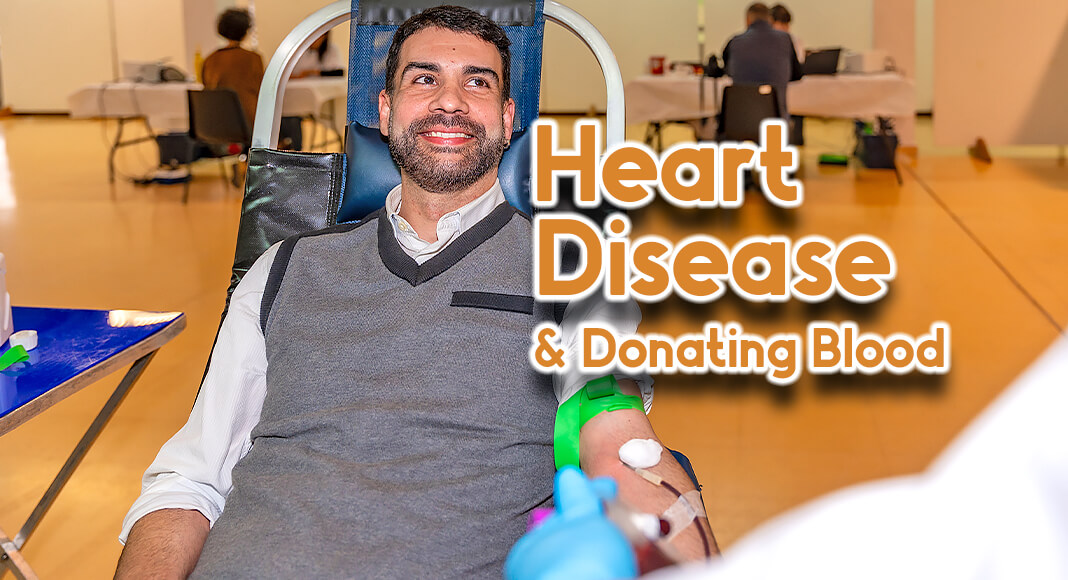
As blood centers and hospitals face critically low levels of blood supplies, many people with heart disease may wonder if they can help by donating.
For the most part, they can do so safely, experts say.

Typically, someone in the U.S. needs blood about every two seconds for reasons that may include surgery, cancer treatments, childbirth, anemia, serious injury or blood disorders.
In fact, a surprising number of potential blood donors are those with a history of medical conditions, including heart disease, who remain steadfast in their desire to give blood, said Dr. Alcinda Flowers, medical director of Versiti, a Milwaukee-based blood center.
“They’re often the ones that want to donate because they’ve been in the hospital and they’ve been affected themselves by the need for blood,” she said. “And they can empathize with others.”
Every year, more than 11 million units of whole blood are donated in the U.S., according to the Food and Drug Administration. However, only about 3% of eligible individuals donate blood, says the American Red Cross, which in January reported an emergency blood supply shortage after reaching a 20-year low in the number of donors. Winter storms and a surge in COVID-19 cases likely further disrupted supplies.
The FDA regulates the safety of blood products primarily to protect blood recipients, and donation requirements may vary at blood centers.
Blood centers screen all potential donors with a questionnaire to determine which people can safely give blood, Flowers said.
According to the National Institutes of Health, people with a cold or the flu can’t donate blood until they have been symptom-free for 48 hours, with different limitations for COVID-19 and other conditions.
However, people who have heart disease can be considered for blood donation, Flowers said.
In addition, most people with high blood pressure, or hypertension, can donate blood and do so if their systolic blood pressure (top number) is below 180 millimeters of mercury and diastolic (bottom number) is 100 mmHg at the time of donation.
The Red Cross recommends a six-month wait or longer for those who have had a heart attack, a recent episode of angina, bypass surgery or angioplasty, or if a change in their heart condition resulted in a medication change.
People who use blood thinners or other anti-clotting or antiplatelet medications must disclose all their medications during their health screenings because donating blood may be harmful to them, as well as the recipients, Flowers said.
Bottom line: It’s a good idea for those with heart conditions to check with their health care team before donating blood, Flowers said.
Dr. Tochi Okwuosa, a cardiologist and director of the cardio-oncology program at Rush University Medical Center in Chicago, said as a general rule of thumb, individuals with a low hemoglobin count should not donate blood. The Red Cross requires female donors to have a minimum hemoglobin level of 12.5 grams per deciliter, and male donors a minimum of 13 g/dL.
That’s because hemoglobin determines the blood’s oxygen-carrying capacity, Okwuosa said. And donors could run a risk that not enough oxygen will be carried to their tissues and organs.
Such donors with heart failure could experience an episode or those with coronary artery disease could have a heart attack, Okwuosa said.
People with heart conditions also may feel more fatigued or short of breath after donating blood, or if they are on diuretics, they may become more dehydrated and fainter, she said.
But donating blood should be fine for people whose high blood pressure or high cholesterol are well controlled, Okwuosa said.
Ultimately, if you’re healthy enough to do so, giving blood can be beneficial for everyone because it can feel good to help others, she said. “It’s just the right thing to do.”


