



Mega Doctor News

BROWNSVILLE & HARLINGEN, Texas — While the arrival of drugs to combat the risk of serious illness associated with COVID-19 infection is welcome, health experts are urging the community to be up to date on COVID vaccinations and continue to utilize proven COVID safety measures to slow the spread of the virus.
Dr. John Austin, physician adviser at Valley Baptist Medical Center-Harlingen, said the two pharmaceuticals – Paxlovid, for individuals 12 years and older, and Molnupiravir, for patients over 18 years old – are important tools in the arsenal against COVID-19 and are now available in limited supply throughout the Rio Grande Valley. However, Austin stressed that the drugs are intended for use in patients who have tested positive for COVID-19 and are at high-risk of developing serious COVID-related illness.
“These are antivirals, and they work by inhibiting the virus’s ability to replicate in the body,” he said. “Currently these have to be prescribed by a physician in an outpatient setting and these drugs are intended specifically for those patients who are immunocompromised or have weakened immune systems, those with diabetes, cancer patients, or dialysis patients.”

Austin further stressed that both drugs are not intended for those who may have been exposed to COVID-19 but have not yet tested positive, or those who have tested positive for COVID-19 but are otherwise healthy.
“If someone in your family comes home and thinks they have COVID, please don’t race out and try to get a prescription for these drugs,” he said. “These are only for people who are COVID positive, and a physician thinks they are at risk of developing severe complications from the disease.”
Austin said that because of both the limited supply of drugs and their intended use, they are not a substitution for COVID vaccination and safety precautions.
“The supply of these drugs is extremely limited right now,” he said. “It does not preclude the strong recommendation for vaccination, wearing your masks, washing your hands, and utilizing social distancing.”
Dr. Beverly Zavaleta, Physician Advisor at Valley Baptist Medical Center-Brownsville also stressed the urgent need for local residents to continue practicing proven COVID safety measures in hopes of slowing the rate of infection throughout the community.
“With research showing the Omicron variant to be a more transmissible form of COVID-19, now is the time to continue to utilize the safety precautions we have all become familiar with over the last two years,” she said. “This includes wearing a high-protection mask when you are inside public places such as the grocery store or church. Examples include KN95 and KF94 masks, both of which give more protection than cloth and surgical masks. For the most protection, choose an N95 mask, which may be appropriate for people with lowered immune systems or other chronic disease.”
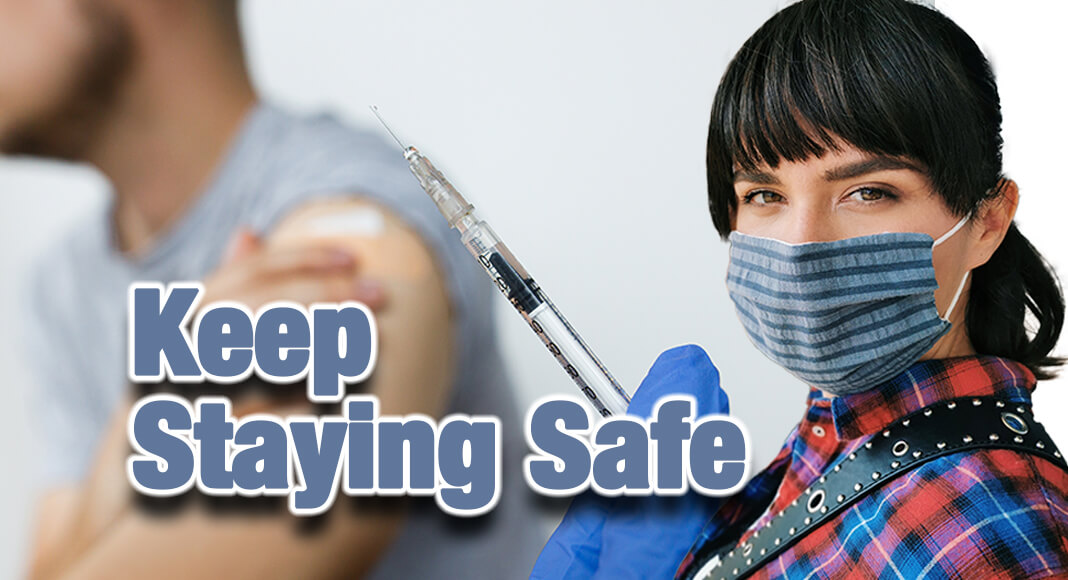
Zavaleta said that in addition to COVID safety measures, the three-shot vaccine series remains the greatest tool that local residents can utilize to protect themselves and their loved ones from serious illness related to COVID-19 infection.
“Vaccines are our best defense against COVID infection that matters: Severe COVID pneumonia that puts you in the hospital or kills you,” she said. “We need to get everyone aged five and up fully vaccinated, and that includes a third shot for people who had their primary series five or more months ago.”
Zavaleta said that local residents have responded to the healthcare community’s pleas regarding COVID-19 vaccination at higher rates than some of their counterparts throughout the United States, and that vaccination efforts must continue until everyone has received the full three-dose series.
“Our region has done a phenomenal job so far, with approximately 90 percent of people ages 50-79 vaccinated against COVID. Now we must build on our success by encouraging parents to vaccinate their children starting at age 5, and by giving booster shots to those who are eligible as soon as possible,” she said. “Remember, according to the CDC, there are almost no health conditions that disqualify someone from getting vaccinated against COVID. In fact, most chronic health conditions make it even more important for you to be vaccinated against COVID because of the risk of severe COVID illness when chronic diseases are present. If you are still unsure about getting the vaccine, please read the guidelines on the CDC website or talk to your doctor.”