



Mega Doctor News
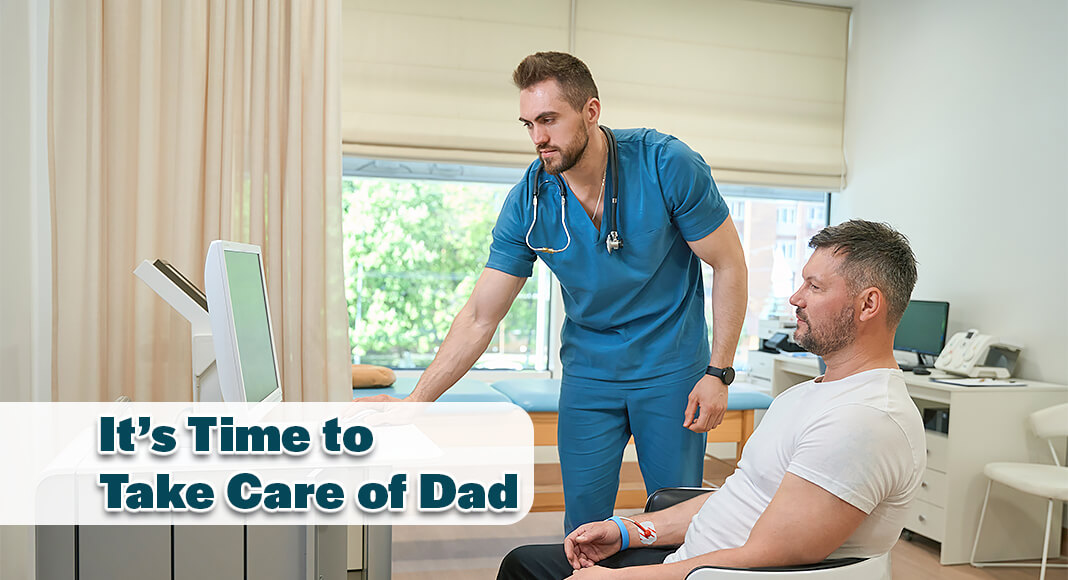
Newswise — It’s the best gift you can give dad this Father’s Day, and not It’s not a tie, a barbeque or tickets to a baseball game. It’s a doctor’s appointment for a check up because this is the gift many men need most. A recent survey found 55% of men say they don’t get regular health screenings. Men are less likely than women to schedule checkups and more likely to develop a chronic disease, in part because they are part of growing national trend of people who do not have primary care physicians. Almost 40% of Gen Z men don’t have a regular doctor. Consequently, many report never having had their blood pressure, cholesterol, or BMI/weight checked, or are unsure if they have. Millennials aren’t much better, 27% of them and 17% of Gen-Xers also don’t have a primary care doctor.
A primary care physician can help guide a patient to important health screenings for their age, health and family history. They will conduct basic health screenings including blood pressure, cholesterol, weight check and blood sugar to check for signs of diabetes.

“It is important to monitor all of these metrics regularly,” said Brett Sealove, M.D., chief of cardiology at Hackensack Meridian Jersey Shore University Medical Center in Neptune, New Jersey. “High blood pressure, cholesterol, obesity and diabetes are all precursors to heart disease. Early intervention to these risk factors can significantly cut a person’s risk of heart disease and stroke. Knowing your numbers and seeking treatment is an important step for men to reduce their risk of significant health problems.”
Other health screenings men should consider include:
Cancer Screenings:
- Prostate Cancer: Screening recommendations vary, but a baseline PSA test and digital rectal exam are often considered for men aged 45-54, with more frequent testing for those at higher risk.
- Colorectal Cancer: A colonoscopy is recommended for men ages 45-75 every 10 years. Family history or symptoms including bloody or irregular stools could be a reason to start this screening earlier or do it more frequently.
- Lung Cancer: Screening is recommended for men ages 50-80 with a 20 pack-year smoking history who currently smoke or quit within the past 15 years.
- Melanoma screenings: Getting your skin checked for signs of cancer yearly is another important screening.
- Testicular Cancer: Men should be familiar with the appearance and feel of their testicles and report any changes to their doctor.
“Prostate cancer is the most common solid organ cancer among men in the United States. Approximately 1 in 8 men will develop prostate cancer in their lifetime,” said Ravi Munver, M.D., Vice Chair of urology and Director of Minimally Invasive and Robotic Urologic Surgery, at Hackensack Meridian Hackensack University Medical Center.“If caught early it is typically very treatable, but it is also one of the most deadly forms of cancer if it progresses. This is why screenings are so important.” Cancer survival rates have increased in recent years since more individuals are receiving appropriate screenings, increasing early detection of cancers.
Mental Health Screenings:
Men suffer from depression, anxiety and other mental health challenges at the same rates as women, but they are less likely to seek help for it. It is probably why men are more likely to die of suicide than women. Men are also more likely to suffer from a substance abuse disorder. “There is a stigma for some men that they are too tough to suffer from mental health challenges and they don’t seek help, but treatment is so important to allow men suffering from mental health challenges to live happier, more fulfilling lives,” said Dr. Tony Issac, psychiatrist at Raritan Bay Medical Center.
In fact new fathers can experience some paternal postnatal depression (PPND), similar to postpartum depression in moms but for the dads. It is a significant mental health concern that often goes unrecognized and undertreated. Studies show that 8-13% of fathers experience postpartum depression, and its prevalence can increase to 50% if the mother also experiences it. This condition can manifest similarly to postpartum depression in mothers, with symptoms like sadness, anxiety, and changes in sleep and eating patterns. However, men may also experience anger, irritability, and impulsive behaviors.
A primary care provider is a good place to start if you’re looking for help. They can refer you to a qualified mental health professional, such as a psychologist, or psychiatrist. They also typically ask questions at a yearly visit to monitor for signs of mental health issues. You also can reach out directly to mental health providers, or state and national organizations focused on mental health. These organizations can provide referrals.
Vaccinations:
Vaccines aren’t just for kids, there are many vaccines that help protect older adults from dangerous viruses including pneumonia, and shingles. The shingles vaccine may have other health benefits that are worth discussing with your doctor, as research has shown the shingles vaccine may reduce a patient’s risk of heart disease and Alzheimer’s disease.