








Gene Could Impact Weight Loss Using GLP-1, Study Finds

Translate to Spanish or other 102 languages!

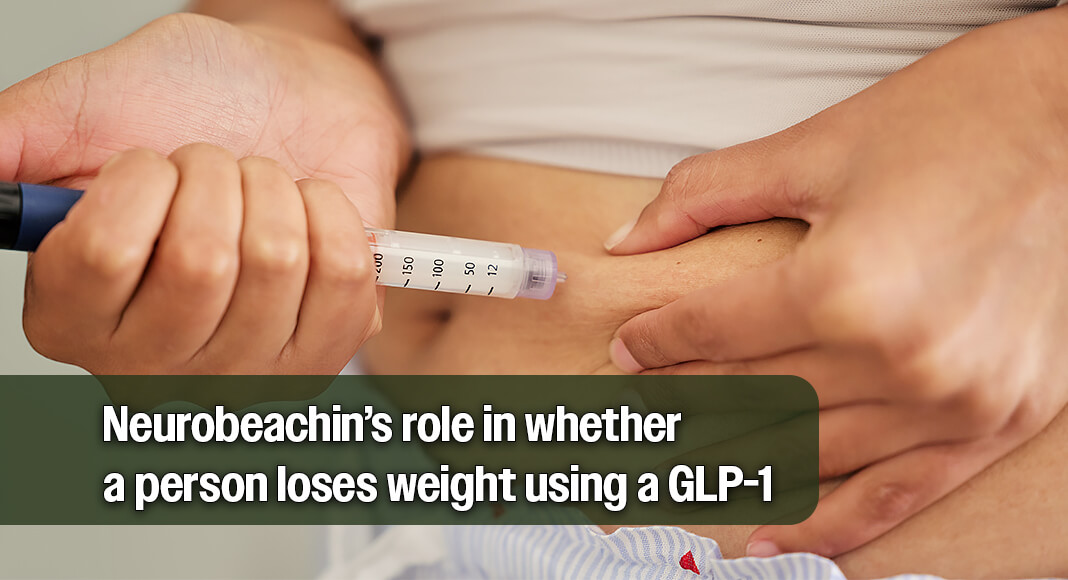
 A study from Cleveland Clinic found variations in a certain gene, known as Neurobeachin, could play a role in whether a person loses weight using a GLP-1 medication. Image for illustration purposes
 A study from Cleveland Clinic found variations in a certain gene, known as Neurobeachin, could play a role in whether a person loses weight using a GLP-1 medication. Image for illustration purposes
- Advertisement -

CLEVELAND CLINIC – A study from Cleveland Clinic found variations in a certain gene, known as Neurobeachin, could play a role in whether a person loses weight using a GLP-1 medication. 

“Everyone has this gene, but the variation within that gene may affect how well it does its job. And so, in this case, individuals that have variation in this gene, are more likely to experience greater weight loss on a GLP-1 medication,” said Daniel Rotroff, PhD, who led the research.

Dr. Rotroff said they created a scoring system based on the variations in the gene and made some interesting discoveries. 

- Advertisement -

Those who had a ‘responsive’ genetic score were up to 82% more likely to achieve significant weight loss with a GLP-1 medication. 

Meanwhile, those with a ‘non-responsive’ genetic score were up to 50% more likely to not lose weight. 

So, what does all of this mean for the general public? 

“With some additional work and future studies, we could take this score we developed with this gene and combine it with lifestyle factors and other personal factors, maybe other aspects of your genetics, and we can start to tailor the intervention that we use for patients with obesity to make sure that the treatment they receive is most likely to work for them,” Dr. Rotroff explained.

- Advertisement -

He said as part of their ongoing research, they plan to look into other genes that could also be playing a role with weight loss and GLP-1’s. 

- Advertisement -
- Advertisement -

- Advertisement -

More Articles

DHR Health Transplant Institute Earns Top State and National Rankings

The DHR Health Transplant Institute announced today that it has been recognized among the state’s and nation’s top performing kidney transplant centers, earning the no. 2 ranking in the State and no. 16 ranking in the Nation, according to the Scientific Registry of Transplant Recipients (SRTR).  

New Noninvasive Tech Tracks Infant Vital Signs Without Wires

In the neonatal intensive care unit, the most fragile patients in medicine are often the most heavily wired. Premature babies, some weighing less than a pound, can be tethered to a tangle of cables, monitors, and sensors. Each blood draw to check sugar levels or electrolytes means another needle, another bandage, another moment of stress for an infant whose skin is still forming.

STHS McAllen Receives National Award for Advancing Cardiac Arrest Care & Improving Patient Survival

In the moments following cardiac arrest, every second counts. Rapid intervention, seamless teamwork and evidence-based care can make the difference between life and death.

The Truth About Hot Dogs and Your Health

July is National Hot Dog Month. Reports show Americans eat roughly 20 billion hot dogs every year. While they’re okay to have on occasion, they shouldn’t be a regular part of your diet.
- Advertisement -

