


loader image
Wednesday, February 18, 2026
75.8 F
McAllen
- Advertisement -

Gene Could Impact Weight Loss Using GLP-1, Study Finds

Translate to Spanish or other 102 languages!

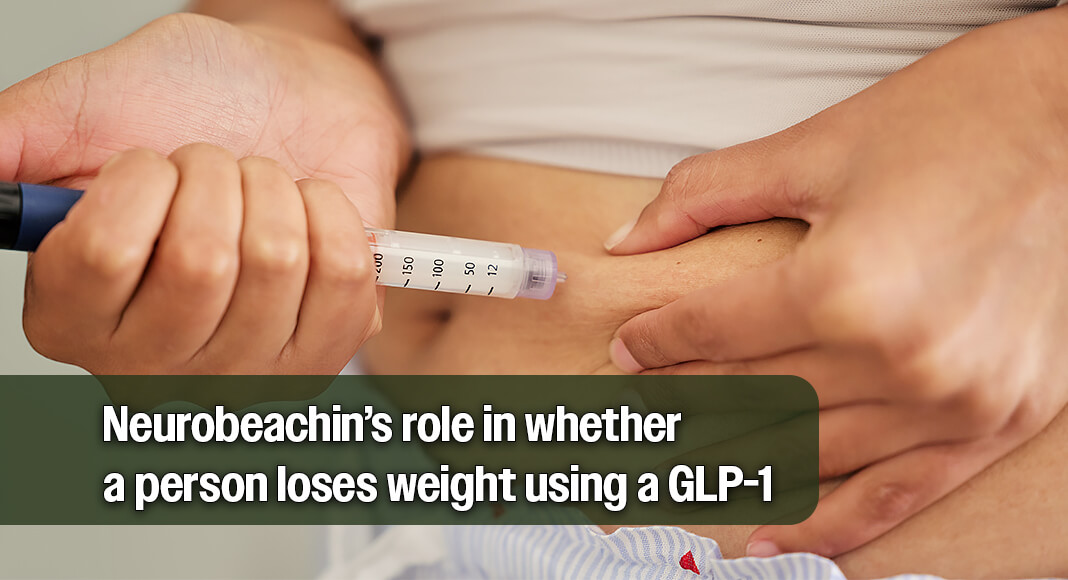
 A study from Cleveland Clinic found variations in a certain gene, known as Neurobeachin, could play a role in whether a person loses weight using a GLP-1 medication. Image for illustration purposes
 A study from Cleveland Clinic found variations in a certain gene, known as Neurobeachin, could play a role in whether a person loses weight using a GLP-1 medication. Image for illustration purposes
- Advertisement -

CLEVELAND CLINIC – A study from Cleveland Clinic found variations in a certain gene, known as Neurobeachin, could play a role in whether a person loses weight using a GLP-1 medication. 

“Everyone has this gene, but the variation within that gene may affect how well it does its job. And so, in this case, individuals that have variation in this gene, are more likely to experience greater weight loss on a GLP-1 medication,” said Daniel Rotroff, PhD, who led the research.

Dr. Rotroff said they created a scoring system based on the variations in the gene and made some interesting discoveries. 

- Advertisement -

Those who had a ‘responsive’ genetic score were up to 82% more likely to achieve significant weight loss with a GLP-1 medication. 

Meanwhile, those with a ‘non-responsive’ genetic score were up to 50% more likely to not lose weight. 

So, what does all of this mean for the general public? 

“With some additional work and future studies, we could take this score we developed with this gene and combine it with lifestyle factors and other personal factors, maybe other aspects of your genetics, and we can start to tailor the intervention that we use for patients with obesity to make sure that the treatment they receive is most likely to work for them,” Dr. Rotroff explained.

- Advertisement -

He said as part of their ongoing research, they plan to look into other genes that could also be playing a role with weight loss and GLP-1’s. 

- Advertisement -
- Advertisement -

- Advertisement -

More Articles

When Insomnia and Sleep Apnea Combine, Heart Risk Soars

In a recently published Journal of the American Heart Association study of nearly one million post-9/11 U.S. veterans, researchers found that adults with both insomnia and obstructive sleep apnea face substantially higher risks of hypertension and cardiovascular disease than those with either condition alone. The combination, known as comorbid insomnia and sleep apnea (COMISA), emerged as a distinct and harmful risk state.

Why Dietitians Say You Should Eat Breakfast

We’ve all heard that breakfast is the most important meal of the day, but do you really need to eat it, and what can happen if you skip it?

Community Invited to DHR Health’s 16th Annual Free Health Fair, Feb. 21st 

In an effort to increase access to health services and resources, DHR Health will host its 16th annual Community Health Fair on Saturday, February 21, 2026, at the Edinburg Conference Center at Renaissance, located at 118 Paseo del Prado in Edinburg. This free community event will take place from 8:00 a.m. to noon and is open to the public.

STHS Children’s Hosting Annual Eddie’s Safari Run, March 7th

It’s common knowledge that consistent physical activity is vital for everyone, but it’s especially important for a child’s growth and development. 
- Advertisement -
×