








Food Safety During a Power Outage

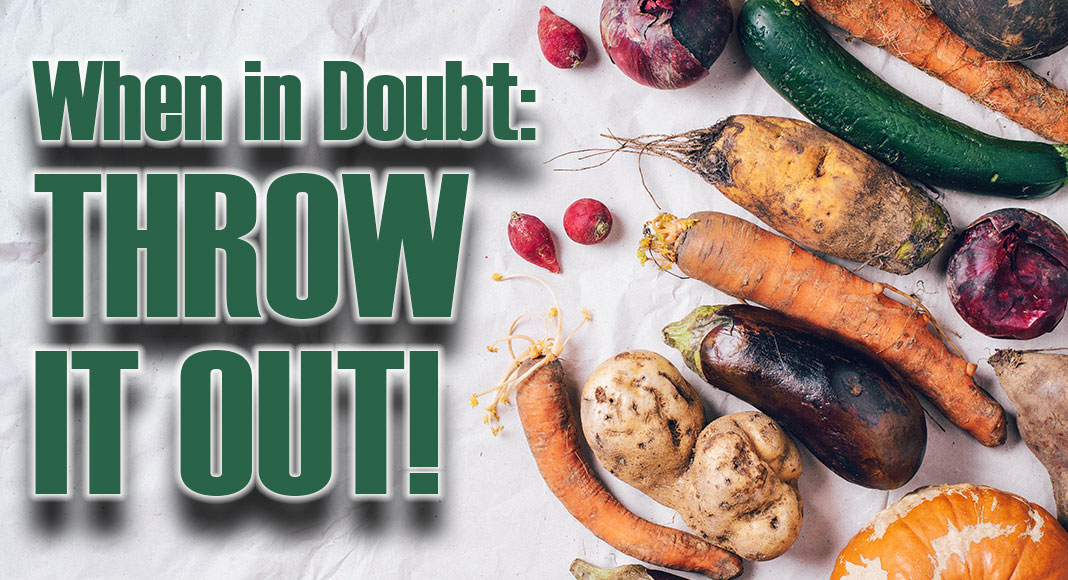
When in doubt, throw it out. A doctor tells us why it can be risky to eat perishable items after a power outage.

Translate to Spanish or other 102 languages!

Mega Doctor News

- Advertisement -

Cleveland Clinic – When the power goes out unexpectedly, you may be left with a fridge full of question marks.

Baruch Fertel, MD, an emergency medicine physician with Cleveland Clinic, said during a power outage it’s important to make sure perishable items are safe to eat.

“Once the temperatures are not at the appropriate cold level, it provides an ideal medium for viruses, for bacteria, to replicate and then one can get a foodborne illness, sometimes called a diarrheal illness and could get very sick,” he explained.

- Advertisement -

So, what’s okay to keep and what should be tossed?

According to the FDA, food is safe in a closed refrigerator for about four hours.

Food can also be kept safely up to 24 hours in a half-full freezer, and for 48 hours in a full freezer – provided it hasn’t been opened.

Items are safe to re-freeze if they have icicles or are 40 degrees or less.

- Advertisement -

However, Dr. Fertel said if there’s any doubt – throw it out.

“If it doesn’t look right, if it doesn’t smell right, don’t do it,” he advised. “Don’t eat it. Don’t take chances. Perishable items, things like meat, dairy products, cut up fruit, leftovers – if the power’s out, throw it out.”

Dr. Fertel adds that the very old and the very young are most at risk for complications from a diarrheal or foodborne illness.


- Advertisement -
- Advertisement -

- Advertisement -

More Articles

McAllen Mayor Leads Public Push for Early Lung Cancer Detection

McAllen Mayor Javier Villalobos hosted a televised discussion on lung cancer awareness with pulmonologist Juan P. Rey Mendoza and retired McAllen Police Lieutenant Joel Morales to encourage Rio Grande Valley residents to seek screening and recognize the risks of delayed diagnosis.

STHS to Highlight Stroke Awareness in New “South Texas Healthy Living” Episode, May 31st

Someone in the United States experiences a stroke every 40 seconds, according to the Centers for Disease Control and Prevention (CDC), but the person facing this medical emergency may be younger than ever before.

STHS Hosting Administrative & Support Staff Career Fair, June 3rd

It should come as no surprise that not all healthcare heroes wear scrubs, many play critical roles behind the scenes.

STHS Behavioral to Host Educational Webinar on PTSD, June 4th

Mega Doctor News It’s completely normal to feel afraid or experience intense...
- Advertisement -
