







loader image
Wednesday, November 12, 2025
71.5 F
McAllen
- Advertisement -

FDA Clears New Blood Test that Could Speed Alzheimer’s Diagnosis and Treatment

Translate to Spanish or other 102 languages!

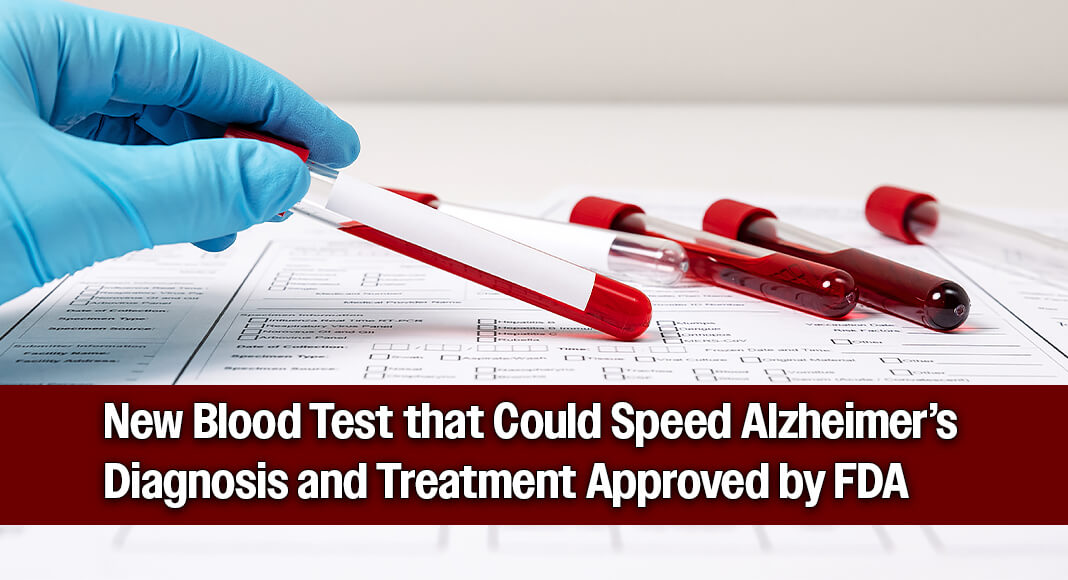
With Alzheimer’s rates climbing and diagnoses often delayed until symptoms progress, a new FDA-cleared blood test could mark a turning point in how the disease is identified and managed. Image for illustration purposes
- Advertisement -

By George Washington University

Newswise – With Alzheimer’s rates climbing and diagnoses often delayed until symptoms progress, a new FDA-cleared blood test could mark a turning point in how the disease is identified and managed.

This week, the FDA cleared Roche’s Elecsys pTau181 test — only the second blood-based biomarker test approved this year for Alzheimer’s disease. The test, developed with Eli Lilly, gives primary care physicians a faster way to help rule out Alzheimer’s in patients showing signs of cognitive decline, potentially reducing reliance on costly PET scans and getting patients to answers — and treatment — sooner.

- Advertisement -


- Advertisement -

- Advertisement -

More Articles

STHS to Host Webinar on Bladder Health, Nov. 18

Mega Doctor News A hollow, muscular organ located in the lower abdomen, the bladder plays...

How Diet Plays a Role with Alzheimer’s Prevention

Mega Doctor News CLEVELAND CLINIC - November is Alzheimer’s Awareness Month.  Reports show more than...

STHS Donates More Than $52,000 in Medical Equipment to UTRGV School of Nursing

Mega Doctor News Providing nursing students with practical, hands-on experience utilizing the latest technology and devices used in...

Pain During a C-Section? New Study Challenges Fears About General Anesthesia

Regional anesthesia—typically with a spinal or epidural block—has long been favored for cesarean births due in part to concerns about the effects that general anesthesia may have on newborns during labor and delivery.
- Advertisement -
×


