







Mega Doctor News

| KEY POINTS |
| Heat related deaths and illnesses are preventable. Despite this fact, approximately 1,220 people in the United States are killed by extreme heat every year. |
| This website provides helpful tips, information, and resources to help you stay safe in the extreme heat this summer. |
Extreme heat is defined as summertime temperatures that are much hotter and/or humid than average. Because some places are hotter than others, this depends on what’s considered average for a particular location at that time of year. Humid and muggy conditions can make it seem hotter than it really is.
Check out the Document below for Tips and safety from the CDC:

Health effects
Know the signs and symptoms of heat-related illnesses.
Heat-related illnesses, like heat exhaustion or heat stroke, happen when the body is not able to properly cool itself. While the body normally cools itself by sweating, during extreme heat, this might not be enough. In these cases, a person’s body temperature rises faster than it can cool itself down. This can cause damage to the brain and other vital organs.
| Some factors that might increase your risk of developing a heat-related illness include: |
| High levels of humidity |
| Obesity |
| Fever |
| Dehydration |
| Prescription drug use |
| Heart disease |
| Mental illness |
| Poor circulation |
| Sunburn |
| Alcohol use |
Who is at increased risk
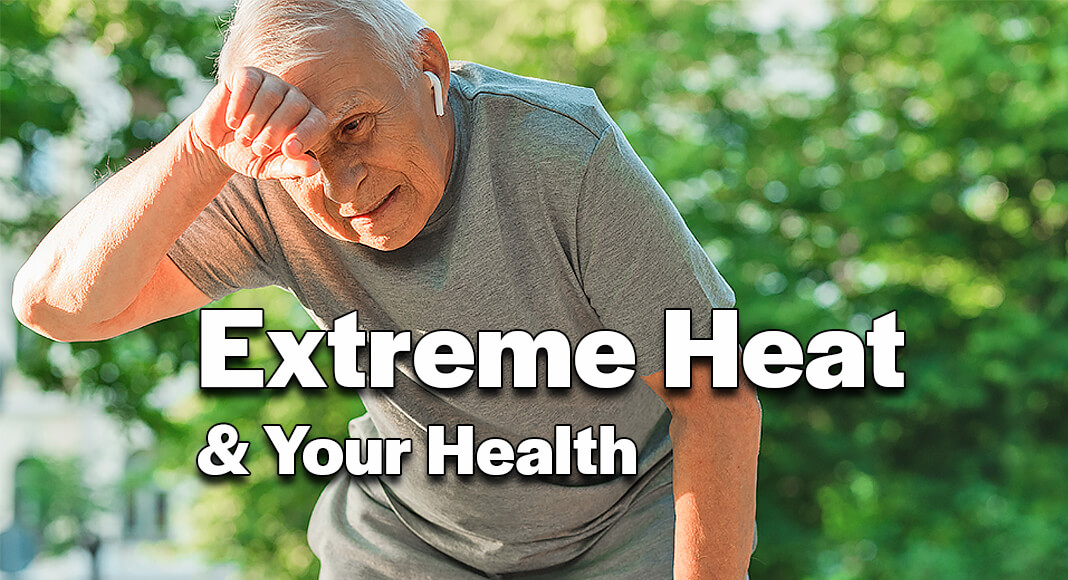
Older adults, the very young, and people with mental illness and chronic diseases are at highest risk. However, even young and healthy people can be affected if they participate in strenuous physical activities during hot weather.
Summertime activity, whether on the playing field or the construction site, must be balanced with actions that help the body cool itself to prevent heat-related illness. Use this website to learn more on how to stay safe in the heat this summer, including how to prevent, recognize, and cope with heat-related illness.
Tips to stay safe
Protect yourself and others when it’s hot outside by staying cool, staying hydrated, and staying informed. Learn additional tips for staying safe during extreme heat.
Information Source; CDC


