

Mega Doctor News
American Diabetes Association
If you or someone in your family has diabetes, high blood pressure or a history of kidney disease, you could be at risk for developing CKD.
CKD develops when the kidneys lose most of their ability to remove waste and maintain fluid and chemical balances in the body. CKD can progress quickly or take many years to develop.

Knowing Your Risk Factors
Many people don’t know they have diabetes or high blood pressure, so they aren’t managing these problems which can lead to CKD. Below are things to keep in mind:
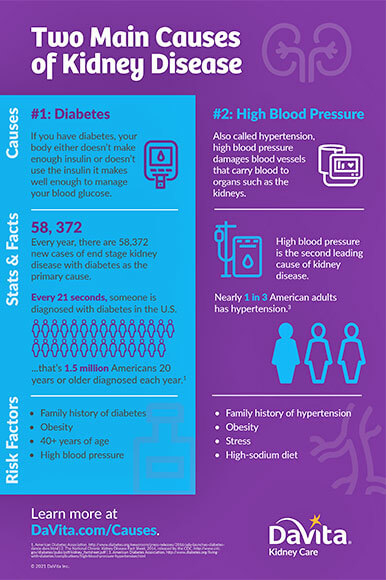
- 1 in 10 Americans has diabetes, the leading cause of kidney disease
- Nearly half of Americans have high blood pressure or are taking a medication for it, the second leading cause of kidney disease.
- Anyone with diabetes, high blood pressure, or a family history of kidney disease is at risk for CKD
- About 37 million Americans have CKD
- 9 in 10 adults with CKD don’t know they have it
- African Americans, Latinos or Hispanics, American Indians and Alaska Natives, are at high risk for developing kidney failure in part due to high rates of diabetes and blood pressure in these communities
- Kidney disease is more common in people aged 65 years or older. Together, diabetes and high blood pressure account for almost two in three cases of CKD.
Preventing and Delaying CKD
Anyone with diabetes and/or high blood pressure can take steps to try and prevent CKD, and those who already have CKD can try and slow the process. Early detection, managing blood sugar (blood glucose) levels and blood pressure, living a healthy lifestyle, and health education can help prevent or delay CKD from progressing.