








loader image
Monday, January 12, 2026
52.2 F
McAllen
- Advertisement -

Diabetes, High Blood Pressure, and Chronic Kidney Disease (CKD)

Translate to Spanish or other 102 languages!

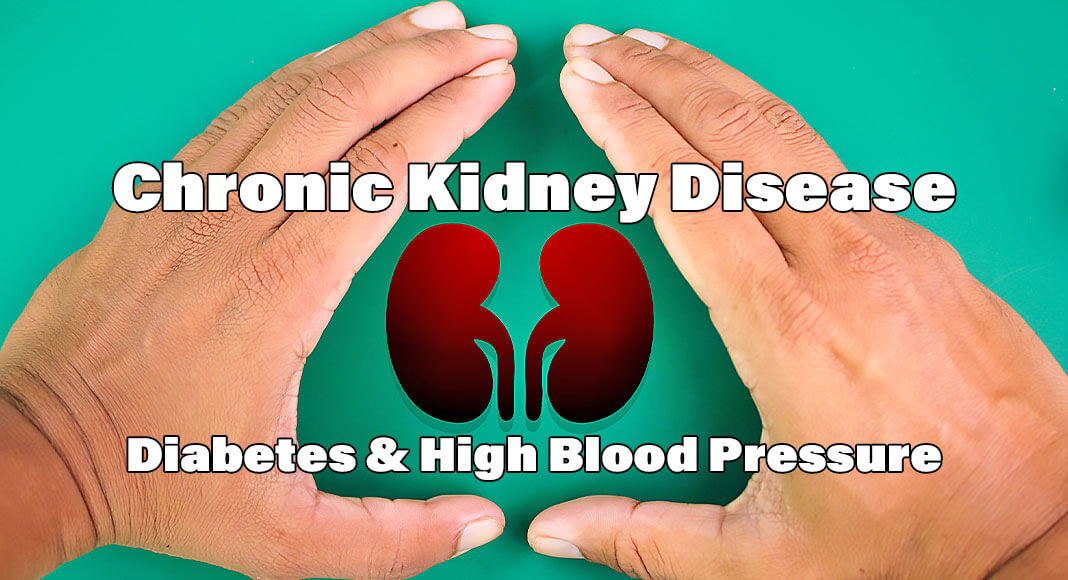
If you or someone in your family has diabetes, high blood pressure or a history of kidney disease, you could be at risk for developing CKD. Image for illustration purposes
If you or someone in your family has diabeteshigh blood pressure or a history of kidney disease, you could be at risk for developing CKD. Image for illustration purposes

Mega Doctor News

- Advertisement -

American Diabetes Association

If you or someone in your family has diabeteshigh blood pressure or a history of kidney disease, you could be at risk for developing CKD. 

CKD develops when the kidneys lose most of their ability to remove waste and maintain fluid and chemical balances in the body. CKD can progress quickly or take many years to develop.

- Advertisement -

Knowing Your Risk Factors

Many people don’t know they have diabetes or high blood pressure, so they aren’t managing these problems which can lead to CKD. Below are things to keep in mind:

  • 1 in 10 Americans has diabetes, the leading cause of kidney disease
  • Nearly half of Americans have high blood pressure or are taking a medication for it, the second leading cause of kidney disease.
  • Anyone with diabetes, high blood pressure, or a family history of kidney disease is at risk for CKD
  • About 37 million Americans have CKD
  • 9 in 10 adults with CKD don’t know they have it
  • African Americans, Latinos or Hispanics, American Indians and Alaska Natives, are at high risk for developing kidney failure in part due to high rates of diabetes and blood pressure in these communities
  • Kidney disease is more common in people aged 65 years or older. Together, diabetes and high blood pressure account for almost two in three cases of CKD.

Preventing and Delaying CKD

Anyone with diabetes and/or high blood pressure can take steps to try and prevent CKD, and those who already have CKD can try and slow the process. Early detection, managing blood sugar (blood glucose) levels and blood pressure, living a healthy lifestyle, and health education can help prevent or delay CKD from progressing.
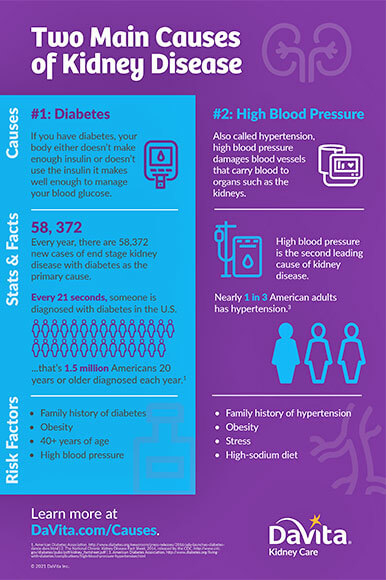

Image courtesy of ADA
- Advertisement -
- Advertisement -

- Advertisement -

More Articles

Mayo Clinic Unveils EHR‑Integrated AI to Personalize Prostate Cancer Education

Mayo Clinic researchers have developed and evaluated MedEduChat, an electronic health record (EHR) that works with a large language model to provide accurate, patient-specific prostate cancer education.  

AMA Backs Updated Dietary Guidelines, Commits to Advancing Nutrition in Medicine

“The American Medical Association (AMA) applauds the Administration’s new Dietary Guidelines for spotlighting the highly processed foods, sugar-sweetened beverages, and excess sodium that fuel heart disease, diabetes, obesity, and other chronic illnesses. The Guidelines affirm that food is medicine and offer clear direction patients and physicians can use to improve health."

Study Shows a Sharp Drop in Teen Wellness Visits During Transition to Adulthood

It’s common that as kids get to high school and transition to adulthood, they begin to skip yearly wellness visits with a pediatrician or other primary care provider.

Wegovy® Pill, First Oral GLP‑1 for Weight Loss, Now Available Nationwide

Wegovy® pill is now available, providing those seeking help with their weight the revolutionary science of GLP-1 medicine in a pill for the first time.
- Advertisement -
×

