








Connection Between Oral & Mental Health

Translate to Spanish or other 102 languages!

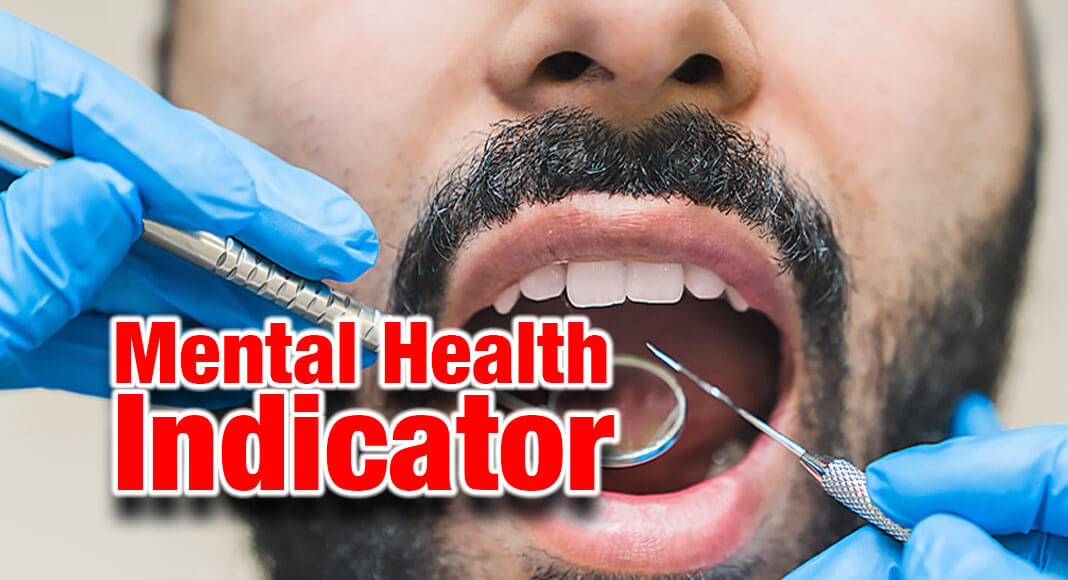
Brushing and flossing your teeth may seem like a mundane task, but did you know there’s actually a link between your oral health and mental health? Image for illustration purposes

Mega Doctor News

- Advertisement -

CLEVELAND CLINIC – Brushing and flossing your teeth may seem like a mundane task, but did you know there’s actually a link between your oral health and mental health?

“Mental health impacts your overall health, including your oral health or the health of your teeth and your gums. Dentists are sometimes the first professional to identify and diagnose a mental health issue and they make a lot of referrals to counselors and therapists,” explained Susan Albers, PsyD, psychologist for Cleveland Clinic.

Dr. Albers said the health of a person’s teeth can give clues about their stress level, anxiety, mood, and the presence of chronic eating problems.

- Advertisement -

For example, if you struggle with stress of anxiety, you may have worn enamel from grinding your teeth at night or clenching your jaw.

She said people who have eating disorders often have high levels of tooth decay, worn enamel, and difficulties with their gums due to malnutrition or overeating highly processed foods.

And, those who are depressed may not have the motivation or energy to take care of their teeth.

Dr. Albers said they also have an increased perception of pain and avoid going to the dentist.

- Advertisement -

“If you are struggling with your oral hygiene, check in with yourself and ask is there a mental health issue that may be standing in the way and if so, this may be important to acknowledge and bring up with your therapist and the two of you together, and with your dentist, can make sure that it does not stand in the way of either your mood or your oral health,” she said.

Dr. Albers said it can also help to eat more nutritious foods, which will not only benefit your oral health but your mental health as well.


- Advertisement -
- Advertisement -

- Advertisement -

More Articles

STHS Dedicating Latest “South Texas Healthy Living” Episode to Arthritis Education, July 26th

More than 58 million U.S. adults are living with doctor-diagnosed arthritis, according to the Centers for Disease Control and Prevention (CDC), making it the nation’s leading cause of disability.

No More Needles: FDA Approves First Daily Pill to Replace Injectable Cholesterol Drugs

The U.S. Food and Drug Administration approved Lipfendra (enlicitide), the first oral inhibitor of proprotein convertase subtilisin/kexin type 9 (PCSK9), as an adjunct to diet and exercise to reduce low-density lipoprotein cholesterol (LDL-C), or “bad” cholesterol, in adults with hypercholesterolemia, including those with heterozygous familial hypercholesterolemia (HeFH). Image source: Merck.com.

STHS Heart Ranks Among Nation’s Top Hospitals for Heart Attack Care

Every year, more than 800,000 people in the United States suffer a heart attack, according to the Centers for Disease Control and Prevention, an event that occurs approximately every 40 seconds.

DHR Health Burn Surgeon Urges Public to Avoid Preventable Risks

Many of the most serious burn and trauma injuries can be prevented by avoiding unnecessary risks, according to Dr. R. Dewayne Edwards, chief burn surgeon, surgical critical care and trauma surgeon at DHR Health, who said public awareness and timely medical care remain essential to improving patient outcomes.
- Advertisement -
