Mega Doctor News
Overview
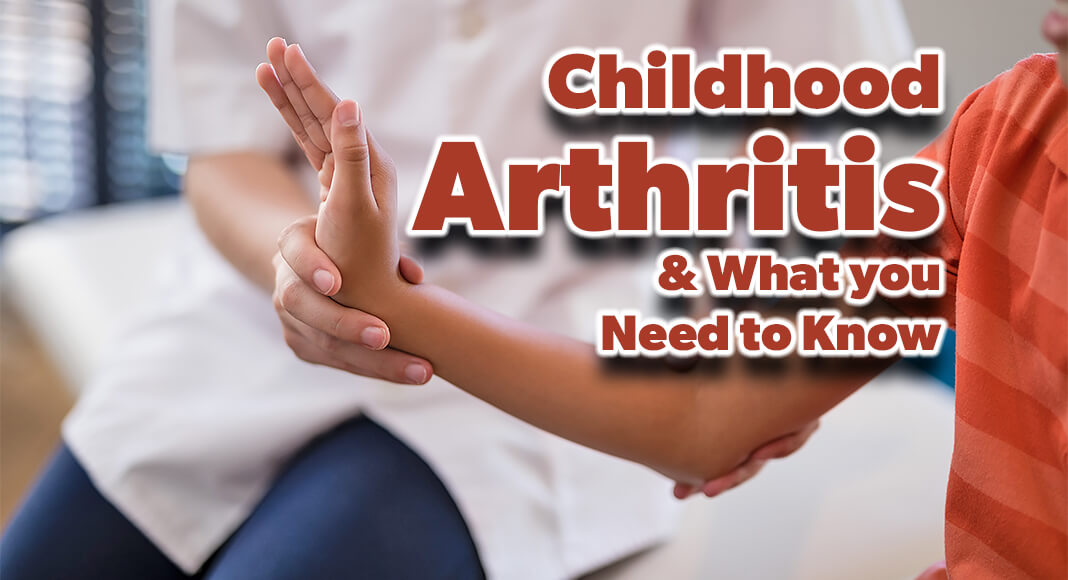
Arthritis that develops in children is called childhood arthritis (or juvenile arthritis).A1
Childhood arthritis begins when the immune system becomes overactive, leading to joint and body swelling.
Childhood arthritis can cause pain, loss of motion, and permanent damage in the joints.

- This can make it hard for a child to walk, play, or dress themselves.
- It can also result in disability.
Living with childhood arthritis
About 220,000 U.S. children under 18 have arthritis.1 Childhood arthritis is more common among certain groups in the United States, including children who are Black or African American and whose parents have lower levels of education.
Signs and symptoms
The symptoms of childhood arthritis may be different for every child. They can include:
- Joint pain.
- Swelling.
- Fever.
- Stiffness.
- Rash.
- Feeling tired.
- Loss of appetite.
There may be times when symptoms get worse, known as “flares.” There may also be times when symptoms get better, known as “remission.”
Causes
The causes of childhood arthritis are not known.
Who gets childhood arthritis
Any child can develop arthritis. But arthritis is more common in children who:1
- Have anxiety or depression.
- Have a heart condition.
- Have overweight.
- Are not physically active.
- Live with people who smoke.
Diagnosis
Symptoms of childhood arthritis might seem like other illnesses and injuries.
A pediatric rheumatologist, who specializes in childhood arthritis, can help figure out the right diagnosis.
These doctors can diagnose childhood arthritis by doing:
- A physical exam.
- X-rays.
- Lab tests.
- A review of health history.
Find a childhood arthritis specialist near you
Visit the Arthritis Foundation for tips on finding a rheumatologist that best meets the needs of your child.
Management
To help manage arthritis, doctors may prescribe medicine and advise children to be physically active.
This may include exercises like those recommended by the Arthritis Foundation:
- Water exercises (like shoulder shrugs and ankle circles).
- Swimming.
- Bicycling.
- Tai chi.
- Yoga.
Visit the Arthritis Foundation’s Juvenile Arthritis web page for more information.
Physical activity benefits the health and well-being of children.
Treatment
There’s no cure for childhood arthritis. But there are ways to treat it. Doctors can work with children and their parents or caregivers to develop a treatment plan.
Transitioning patients to adult care
Some children’s arthritis improves as they age. Others may continue to have symptoms into adulthood.
Moving from child to adult care can be hard for those with arthritis. It can also be hard for their parents, caregivers, and health care providers.
The Arthritis Foundation has transition resources on how to:
- Make appointments.
- Understand health insurance.
- Adjust to working or education beyond high school.
Information Source: CDC
FOOTNOTES
- The most common form of childhood arthritis is juvenile idiopathic arthritis. It includes seven types: (1) oligoarticular juvenile idiopathic arthritis, (2) polyarticular juvenile idiopathic arthritis–rheumatoid factor negative, (3) polyarticular juvenile idiopathic arthritis–rheumatoid factor positive, (4) enthesitis-related juvenile idiopathic arthritis, (5) psoriatic juvenile idiopathic arthritis, (6) systemic juvenile idiopathic arthritis, and (7) undifferentiated arthritis. Other forms of childhood arthritis include fibromyalgia, myosis, lupus, scleroderma, and vasculitis.
REFERENCES
- Lites TD, Foster AL, Boring MA, Fallon EA, Odom EL, Seth P. Arthritis among children and adolescents aged <18 years — United States, 2017–2021. MMWR Morb Mortal Wkly Rep. 2023;72(29):788–792. doi: http://dx.doi.org/10.15585/mmwr.mm7229a3