Mega Doctor News
- Advertisement -


A CDC investigation notice regarding outbreaks of Salmonella infections has been posted: https://www.cdc.gov/salmonella/backyardpoultry-05-24/index.html
Key Points:
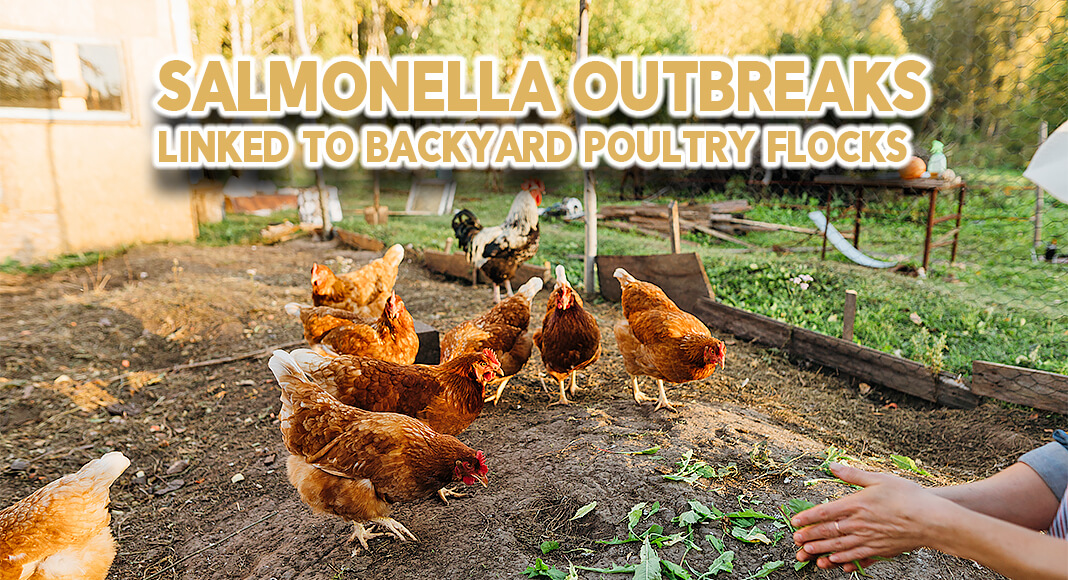
- 109 people from 29 states have gotten sick from Salmonella after touching or caring for backyard poultry. 33 people have been hospitalized and no deaths have been reported.
- In this outbreak, 43% of the people infected with Salmonella are under 5 years old.
- Backyard poultry can carry Salmonella germs even if they look healthy and clean. These germs can easily spread to anything in the areas where the poultry live and roam.
- You can get sick from touching your backyard poultry or anything in their environment and then touching your mouth or food and swallowing Salmonella
What You Should Do:
- Advertisement -
- Wash your hands immediately after touching backyard poultry, their eggs, or anything in the area where they live and roam.
- Supervise kids around flocks. Young children are more likely to become very ill from Salmonella.
- Don’t kiss or snuggle backyard poultry, and don’t eat or drink around them. This can spread Salmonella germs to your mouth and make you sick.
- Handle eggs safely.
- Call you healthcare provider right away if you are experiencing any severe symptoms of Salmonella.
What Stores Selling Backyard Poultry Should Do:
- Source poultry from hatcheries that take steps to reduce Salmonella
- Clean and sanitize poultry display areas between shipments of new poultry.
- This informational poster describes ways to stay healthy with backyard flocks. Place it right beside flock display areas, and hand it out to customers.
What Backyard Poultry Hatcheries Should Do:
- Use best management practices to help prevent Salmonella in poultry.
- Participate in the voluntary USDA-NPIP U.S. Salmonella Monitored Program and certify that your flocks are monitored for Salmonella germs.
- Provide health information to owners and potential buyers of poultry before purchase.
Salmonella Symptoms:
- Most people infected with Salmonella experience diarrhea, fever, and stomach cramps.
- Symptoms usually start 6 hours to 6 days after swallowing the bacteria.
- Most people recover without treatment after 4 to 7 days.
- Some people—especially children younger than 5 years, adults 65 years and older, and people with weakened immune systems—may experience more severe illnesses that require medical treatment or hospitalization.
- For more information about Salmonella, see the Salmonella Questions and Answers page.
If you have questions about cases in a particular state, please call that state’s health department.
- Advertisement -
Information Source; CDC
- Advertisement -