



Mega Doctor News
- Advertisement -
A CDC investigation notice regarding an outbreak of Salmonella infections has been posted: https://www.cdc.gov/salmonella/africana-06-24/index.html
| Key Points: |
| CDC has received reports of 162 people from 25 states and DC who are sick with this outbreak strain of Salmonella. |
| 54 people have been hospitalized and no deaths have been reported. |
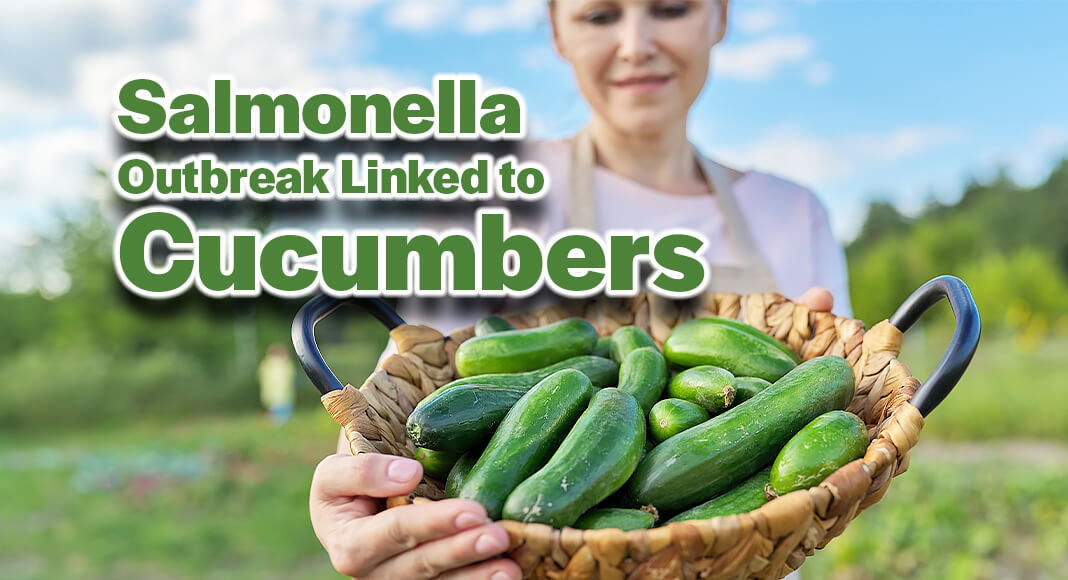
| Epidemiologic data show that cucumbers may be contaminated with Salmonella and may be making people sick. |
| Testing identified Salmonella in a cucumber sample, but further testing is underway to see if it is the same strain making people sick. |
| Fresh Start Produce Sales Inc. recalled whole cucumbers grown in Florida. |
| This recall does not include English cucumbers or mini cucumbers. Recalled cucumbers should no longer be in stores. |
| What You Should Do: |
| Do not eat any recalled cucumbers. If you recently purchased cucumbers and have them at home, you can check with the store where you purchased them to see if they were part of the recall. If you can’t tell, do not eat them. |
| Wash items and surfaces that may have touched the recalled cucumbers using hot soapy water or a dishwasher. |
| Call your healthcare provider if you have any severe Salmonella |
| What Businesses Should Do: |
| Do not sell or serve recalled cucumbers. |
| Wash and sanitize items and surfaces that may have come in contact with recalled cucumbers. |
| Stores can also notify customers who may have purchased recalled cucumbers using signs in stores or emails to customers. |
| Salmonella Symptoms: |
| Most people infected with Salmonella experience diarrhea, fever, and stomach cramps. |
| Symptoms usually start 6 hours to 6 days after swallowing the bacteria. |
| Most people recover without treatment after 4 to 7 days. |
| Some people—especially children younger than 5 years, adults 65 years and older, and people with weakened immune systems—may experience more severe illnesses that require medical treatment or hospitalization. |
| For more information about Salmonella, see the Salmonella Questions and Answers page. |
If you have questions about cases in a particular state, please call that state’s health department.
Information Source; CDC
- Advertisement -