








loader image
Monday, January 12, 2026
64.8 F
McAllen
- Advertisement -

Early Findings Show Breast Cancer Vaccine Produces Immune Response

Translate to Spanish or other 102 languages!

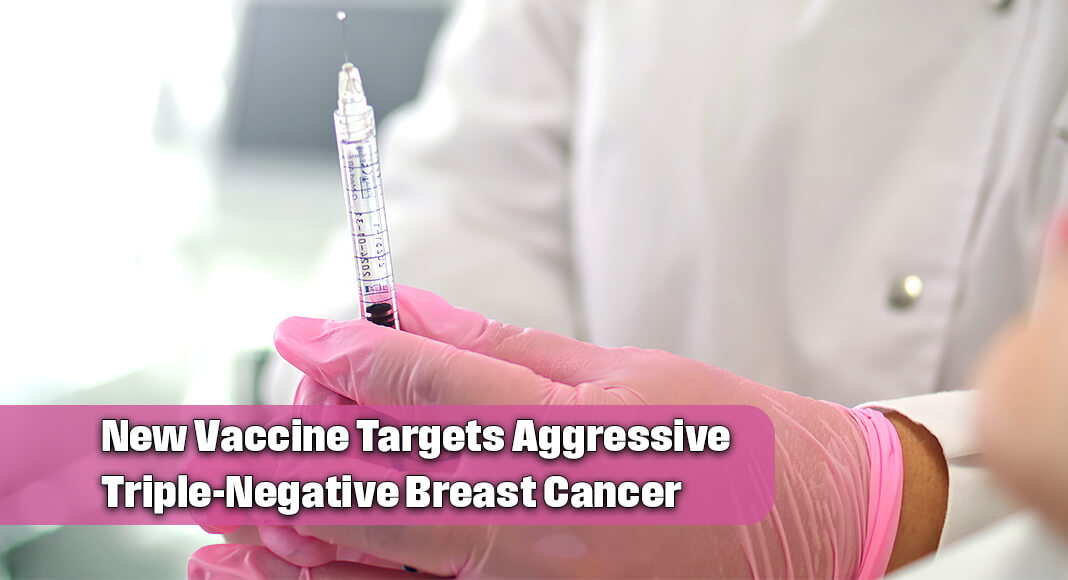
Cleveland Clinic released its findings from the first phase of the clinical trial for the preventive breast cancer vaccine. Image for illustration purposes
- Advertisement -

CLEVELAND CLINIC – Cleveland Clinic released its findings  from the first phase of the clinical trial for the preventive breast cancer vaccine. 

The vaccine aims to prevent triple-negative breast cancer, which is the most aggressive and deadly form of the disease. 

“74%, about three quarters of these patients, developed an immune response, which we defined ahead of time. So, we have identified a dose, and the fact that it produces an immune response. Now, whether this immune response will translate into reducing the risk of recurrence, or preventing breast cancer, reducing the risk of breast cancer, we don’t know that yet from this trial,” explained Thomas Budd, MD, who is the lead researcher for the trial.

- Advertisement -

Dr. Budd said 35 participants were enrolled in the first phase — all of whom either had triple-negative breast cancer or were at risk for it. 

Besides discovering a majority of participants had an immune response to the vaccine, they learned that it was also well tolerated. 

Side effects mainly consisted of mild skin inflammation at the injection site. 

Dr. Budd said they will now move into phase two of the trial. 

- Advertisement -

“The phase two trials will be the first look at, does it do what we want it to do? Does it reduce the risk of the cancer coming back in patients who have breast cancer? And in future trials, perhaps, be able to look at whether it can prevent breast cancer in patients who have very high risk for it,” he said. 

The second phase is expected to begin late next year and is projected to last between two and three years. 

- Advertisement -
- Advertisement -

- Advertisement -

More Articles

Fresh Air Indoors: Easy Tips for a Healthier Home

As we’re spending more time indoors during the winter, have you thought about the air quality inside your home? 

STHS Named Among America’s Best for Minimally Invasive Surgery

Minimally invasive surgery is significantly on the rise in the United States, driven by the demand for shorter recovery, less pain and improved patient outcomes following a surgical procedure.

TxDOT Leads Statewide Effort to Expose and End Human Trafficking

Being a good Texan on the road isn’t just about driving kind, courteous and safe. It’s about looking out for each other, and that includes watching for the signs of human trafficking.

AI Accurately Predicts Prostate Cancer Recurrence

To help meet the potentially complex needs of patients after prostate cancer treatment and offer the precision and care necessary in the follow-up journey, Mayo Clinic’s Department of Radiation Oncology developed the PSA Control Tower.
- Advertisement -
×

