








Mega Doctor News
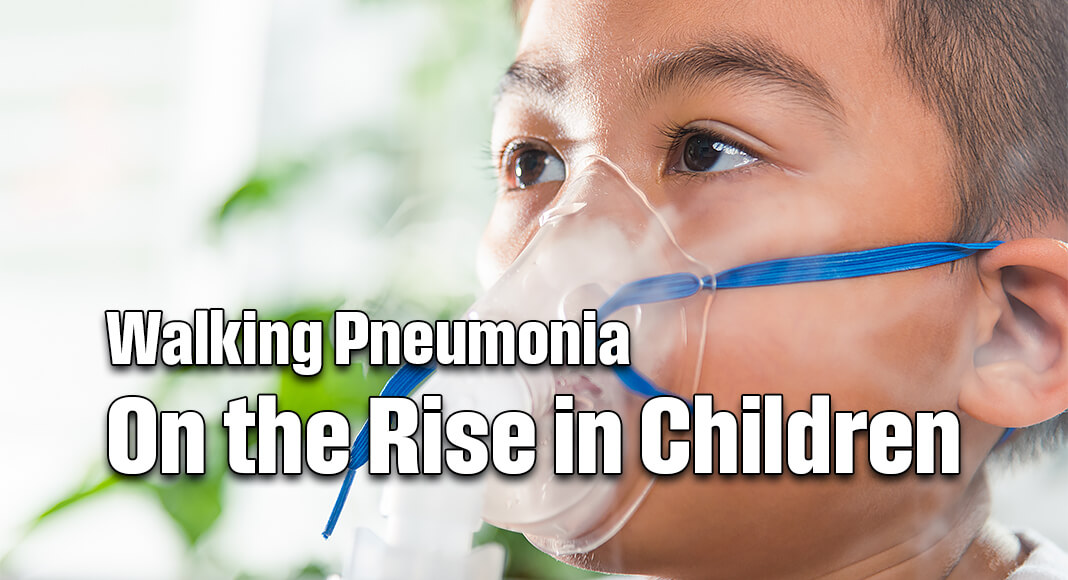
CLEVELAND CLINIC – The CDC reports there’s been an increase in cases of ‘walking pneumonia’ among young children, which is sure to have some parents concerned.
“Right now, we are seeing a lot of all different types of pneumonia. There’s bacterial, viral and what we call atypical pneumonia. Walking pneumonia usually refers to an atypical pneumonia, and we’re certainly seeing a lot more of that, but walking pneumonia can be different things,” explained Camille Sabella, MD, pediatric infectious disease specialist for Cleveland Clinic Children’s. “It’s usually not your standard bacterial pneumonia. Walking pneumonia is usually caused by something called mycoplasma pneumonia, but it can also be very similar to viral pneumonias as well.”
Dr. Sabella said they’re not sure what’s causing the rise in cases.

However, it likely has to do with kids being back in school, and the fact we are coming out of a pandemic, where mycoplasma was not circulating.
Symptoms of ‘walking pneumonia’ are typically mild but can be severe as well, and include dry cough, fever, fatigue, headache and sore throat.
Treatment options also vary based on the type of pneumonia.
As for prevention, Dr. Sabella encourages parents to get their children vaccinated against bacterial pneumonia and influenza, which can actually cause pneumonia.
Unfortunately, there is no vaccine specifically for walking pneumonia.
“There is a very effective vaccine against many of the bacterial pneumonia strains of a bacterial called pneumococcus, and every child should be vaccinated against this. We start vaccinating against that early in life, and that works very well,” said Dr. Sabella. “But, because the pneumococcal bacteria has so many different strains, we can’t protect against every strain with the vaccine that’s currently available.”
In addition to those vaccines, he advises getting your child vaccinated for COVID-19 and immunized for RSV.


