







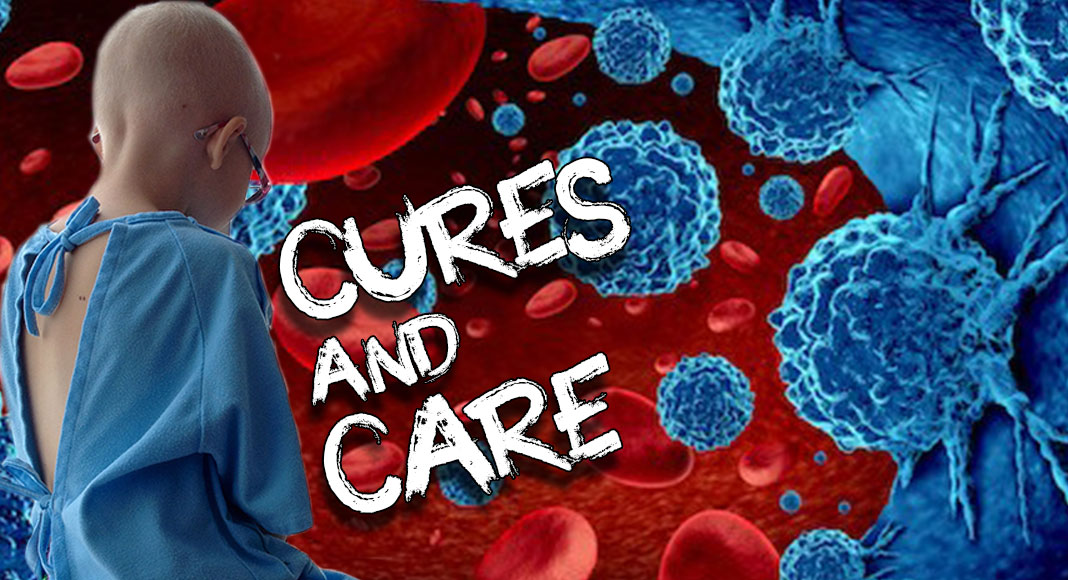
Every four minutes, someone in the United States is diagnosed with a type of blood cancer. Image for illustration purposes.
Mega Doctor News

By Rutgers Cancer Institute of New Jersey
Newswise — New Brunswick, N.J. – Every four minutes, someone in the United States is diagnosed with a type of blood cancer, such as lymphoma or leukemia. According to the American Cancer Society’s estimates, approximately 60,530 cases of leukemia and 90,000 new cases of lymphoma in adults and children will be diagnosed this year.
Leukemia and lymphoma are cancers that affect the blood or bone marrow.

Leukemia is a type of cancer found in the blood and bone marrow and affects white blood cells. Acute lymphocytic leukemia (ALL) is the most common form of childhoodleukemia, and the most common adult leukemias are acute myeloid leukemia (AML) and chronic lymphocytic leukemia (CLL). Lymphomas are cancers of the lymphatic system and are primarily categorized in two groups: Hodgkin lymphoma and non-Hodgkin lymphoma. The main difference between the two is the type of white blood cell known as a lymphocyte that is involved. Hodgkin lymphoma is marked by the presence of Reed-Sternberg cells, which a physician can identify using a microscope. In non-Hodgkin lymphoma, these cells are not present.
Early detection and treatment is key.
While there are no preventative screening tests for leukemia or lymphoma, knowing the warning signs help physicians determine if a patient has one of these types of cancers so the disease can be eradicated successfully. Common symptoms include fever, chills, persistent fatigue, weakness, bone/joint pain, unexplained weight loss, swollen lymph nodes, liver and spleen and anemia. It is important for individuals to talk to their doctor if they are experiencing any of these symptoms.
Researchers are looking for better treatments.
Over the last decade, there have been significant improvements in treatments for leukemia and lymphoma. Clinical trials have helped develop new drugs, while also establishing new uses for accepted drugs. CAR T-cell therapy is a targeted FDA-approved treatment for leukemia and lymphoma. Rutgers Cancer Institute of New Jersey in collaboration with RWJBarnabas Health offers this novel therapy and hosts a number of clinical trials for these types of cancers. These discoveries have helped improve the rate at which blood cancers can be managed and cured.


