



Mega Doctor News
CLEVELAND CLINIC – Did you bite your nails today?
While it may seem harmless, nail biting can actually increase your risk of infection.
“Nail biting can cause small injuries around the nail, allowing bacteria, viruses and fungi to enter. This may lead to an infection called paronychia, which causes inflammation of the nail fold,” explained Shilpi Khetarpal, MD, a dermatologist for Cleveland Clinic.

If you see signs of an infection, Dr. Khetarpal said to avoid picking at the area and see a doctor if things don’t improve within a few days.
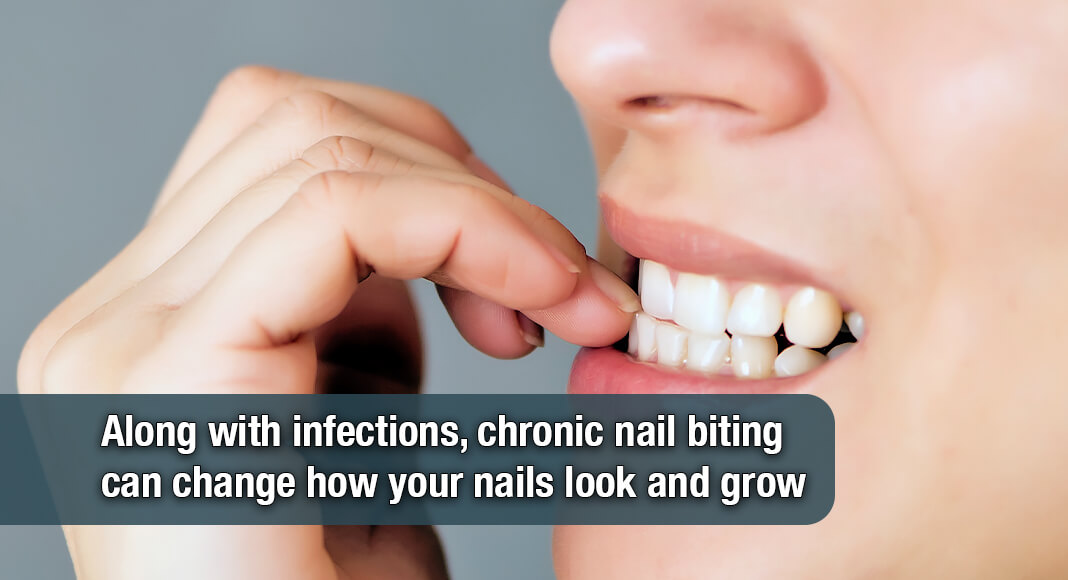
Along with infections, chronic nail biting can change how your nails look and grow as well.
Repeated trauma affects the nail bed and cuticle, leading to uneven growth, ridges and hangnails.
And the more you bite your nails, the harder it is for them to heal.
That’s why Dr. Khetarpal said it’s important to find ways to avoid the habit.
“If you’re looking to kick the habit, you can try bitter-tasting nail lacquers or keeping your nails short to reduce biting,” Dr. Khetarpal said. “However, it’s important to address any underlying issues that may be driving you to bite your nails. There’s no magic fix – it’s all about finding what works best for each person.”
If you notice any long-term issues from nail biting, Dr. Khetarpal recommends seeing a dermatologist to address those.