
Mega Doctor News

ByAmerican Physiological Society (APS)
By Mario Boone
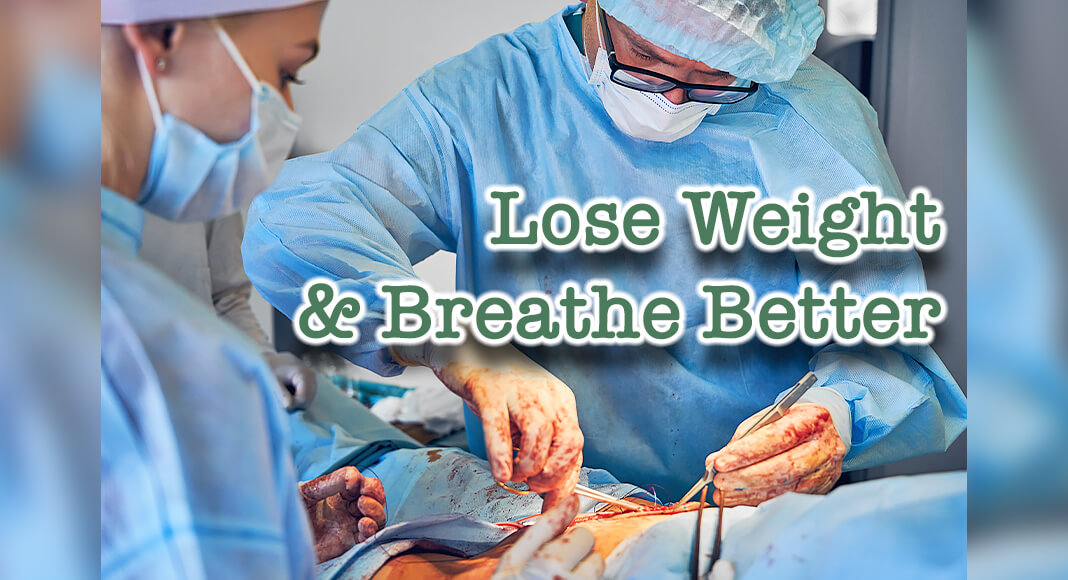
Newswise — Rockville, Md. – Bariatric surgery, a surgical procedure to alter the digestive system or reduce stomach size, triggers “substantial weight loss and improves lung function,” according to researchers from the University of Vermont. Researchers also found post-surgery plasma collected from volunteers showed a reduced inflammatory response from cells that line the airways compared to pre-surgery plasma. The findings are published in the American Journal of Physiology-Lung Cellular and Molecular Physiology. It has been chosen as an APSselect article for January.

The findings of this study align with previous literature, which also show the benefits of bariatric surgery such as weight loss and improved lung function. For this study, researchers were focused on understanding the mechanisms behind these improvements in hopes of developing new treatments for obese asthma. In addition, methods possibly mimicking the benefits of weight loss, including exercise and diet changes, may also lead to new therapeutics.
The research team set out to learn how obesity and weight loss affect the airway as it relates to asthma. The investigation method consisted of using cells that line the airways and control airway narrowing. Researchers used the results to examine the effects of circulating fat-derived factors from asthmatic and non-asthmatic obese patients undergoing bariatric surgery. Scientists collected data on lung function, body mass index and self-reported asthma management. Fat tissue was collected during bariatric surgery. Plasma samples were collected before and at various stages after bariatric surgery.
“Our findings suggest that while weight loss is beneficial, fat-derived factors may not be the main contributors that affect obese asthma,” said Paola E. Peña García, BSc, a PhD candidate and lead author of the study. Researchers conceded that more studies are needed to fully understand how obesity and weight loss affect asthma treatment.
Read the full article, “Bariatric surgery decreases the capacity of plasma from obese asthmatic subjects to augment airway epithelial cell pro-inflammatory cytokine production.” It is highlighted as one of this month’s “best of the best” as part of the American Physiological Society’s APSselect program. Read all of this month’s selected research articles.
NOTE TO JOURNALISTS: To schedule an interview with a member of the research team, please contact APS Media Relations or call 301.634.7314. Find more research highlights in our Newsroom.
Physiology is a broad area of scientific inquiry that focuses on how molecules, cells, tissues and organs function in health and disease. The American Physiological Society connects a global, multidisciplinary community of more than 10,000 biomedical scientists and educators as part of its mission to advance scientific discovery, understand life and improve health. The Society drives collaboration and spotlights scientific discoveries through its 16 scholarly journals and programming that support researchers and educators in their work.