








As Flu Season Reaches Peak, Driscoll Reminds Parents to Vaccinate Kids

Translate to Spanish or other 102 languages!

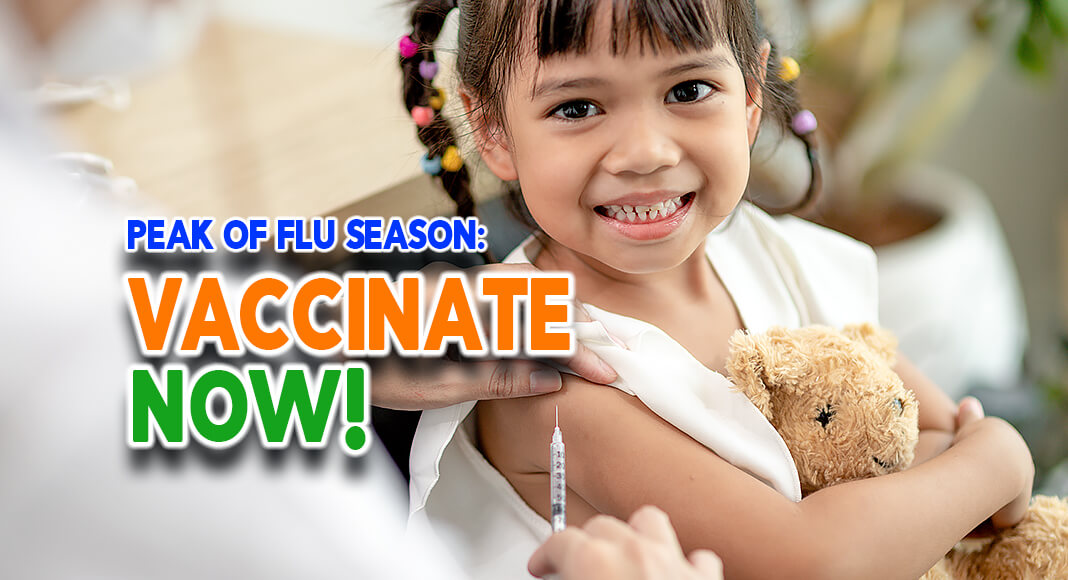
With flu season in full swing, Driscoll is urging families to vaccinate their children against the influenza virus. Image for illustration purposes
- Advertisement -

With flu season in full swing, Driscoll is urging families to vaccinate their children against the influenza virus. 

In December, Driscoll saw 477 children with the flu visit the emergency room. Of those patients nine were admitted and hospitalized, including one child in the Intensive Care Unit on a heart lung machine.

“We are more than halfway through flu season. It’s never too late to take your child to your doctor or pharmacy for a flu vaccination. Even a common virus like the flu can cause serious illness in children,” said Driscoll Executive Vice President and Chief Operating Officer Dr. Mary Dale Peterson.

- Advertisement -

Flu shots can be given to children older than 6 months of age, while a nasal spray vaccine can be administered to kids older than 2 years of age. 

Children who have received the vaccine can still get sick with influenza, but symptoms will be milder and last less. Studies have shown children who receive the influenza vaccine have reduced risk of flu-related emergency department and urgent care visits. Most importantly, it can be lifesaving for children.

Infants under 3 months with a fever greater than 100.4 F should be taken to the emergency room.

- Advertisement -
- Advertisement -

- Advertisement -

More Articles

What to Know About the Cyclospora Parasite in Your Grocery Cart

You’ve probably seen the headlines about a parasite spreading across the United States and making people sick, but what exactly is causing it? 

STHS Children’s Free Food Safety Webinar for Parents on July 15th

Every meal should help children grow and thrive, not put their health at risk.

How Extreme Weather and Air Pollution Put Your Heart at Risk

It’s not just high temperatures that can put stress on the heart. Other environmental factors, such as air pollution, extreme cold, hurricanes, wildfires, and other climate events, can contribute to or worsen cardiovascular conditions.

Scientists Unlock Faster, Better Way to Capture Ultimate Cancer-Fighting Cells

A new platform developed by researchers at The University of Texas MD Anderson Cancer Center quickly finds and isolates rare, tumor-reactive immune cells that are especially good at recognizing and attacking cancer cells, even without knowing which tumor targets are recognized by the immune cells. This approach addresses a major bottleneck in immunotherapy development and could potentially accelerate the creation of personalized treatments.
- Advertisement -

