Mega Doctor News

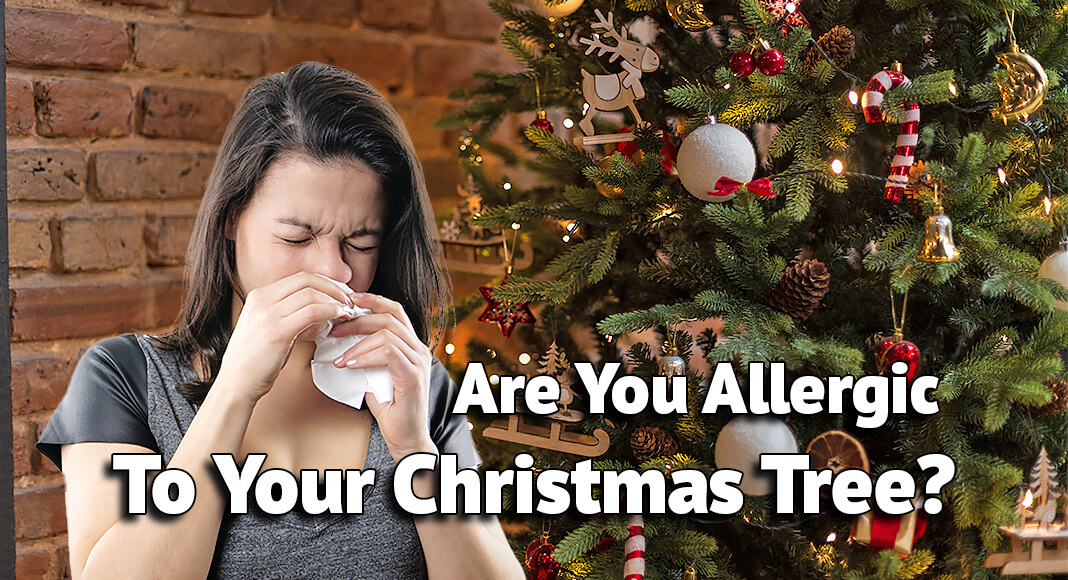
CLEVELAND CLINIC – Is your Christmas tree making you reach for the tissue box?
Since it’s possible for hidden allergens to be lurking inside your tree, you could be experiencing something called “Christmas tree syndrome.”
“Christmas tree syndrome is when you put up a real or artificial tree in your home and begin noticing your allergy and asthma symptoms worsen,” explained DeVon Preston, MD, an allergist with Cleveland Clinic.

While being allergic to pine trees is relatively uncommon, Dr. Preston said it’s possible for them to carry allergens like dust and mold.
Artificial trees can pose the same problem if they’re not stored properly.
To cut down on potential allergens, Dr. Preston said to shake out your tree before bringing it indoors.
Once inside, putting an air purifier near the tree can help catch any allergens you missed.
He notes ornaments and other trimmings can irritate your allergies as well.
“Most Christmas decorations, especially if stored in the attic or basement, can be a source of different allergens and irritants that can cause symptoms,” Dr. Preston said. “With this in mind, you want to clean off those decorations before putting them on the tree.”
Dr. Preston recommends storing decorations and artificial trees in airtight containers – that way, you don’t have to do so much cleaning each year.
He added it’s best to get rid of real trees soon after the holiday season since mold and dust can continue to build up on them even once they’re inside.