








Are Seed Oils Actually Bad for You?

Translate to Spanish or other 102 languages!

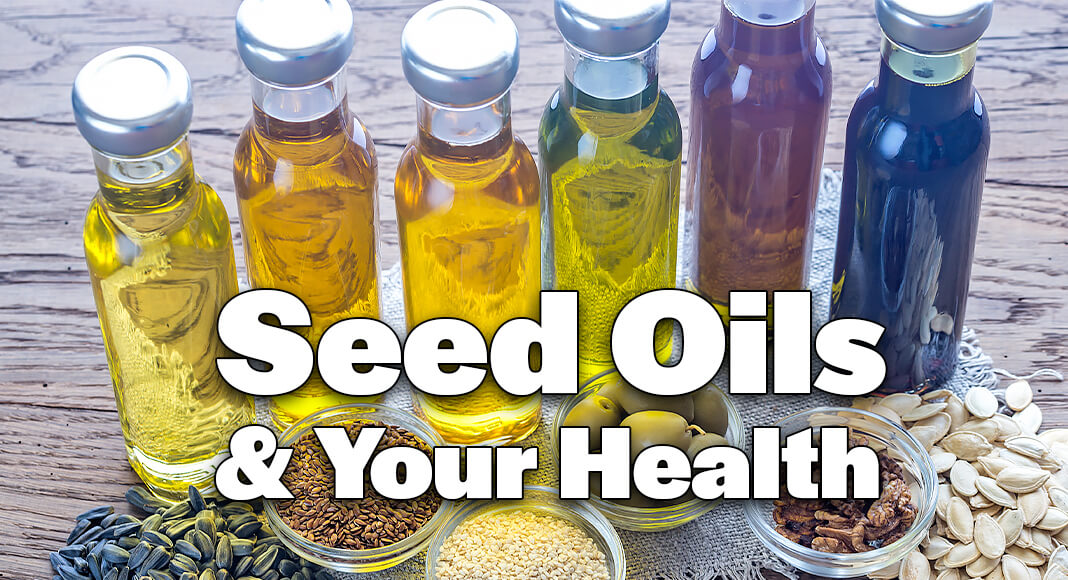
Seed oils have been a hot topic online, with many people saying to avoid them altogether. Image for illustration purposes
- Advertisement -

CLEVELAND CLINIC – Seed oils have been a hot topic online, with many people saying to avoid them altogether.

But before you clear out your kitchen cabinets, there’s more to consider.

“The bigger picture is looking at where these seed oils are found, like in ultra-processed foods, for example. Rather than targeting the oil, we want to take a look at the foods seed oils are typically in as a whole,” said Teresa Eury, RD, a registered dietitian for Cleveland Clinic.

- Advertisement -

Eury explained that ultra-processed foods like chips and other prepackaged snacks often contain seed oils.

Fried foods are usually prepared with this type of oil as well.

These processed foods typically have many added ingredients, which is why Eury said it’s not the seed oils that are necessarily making these foods unhealthy.

When it comes to cooking at home, it’s OK to use seed oils for sautéing veggies or creating another healthy meal.

- Advertisement -

No matter what cooking oil you choose to use, Eury noted moderation is key.

“It’s all about balance. You don’t need to go on an oil cleanse and start tossing everything out in your pantry. Use cooking oil in moderation and try to incorporate healthy choices throughout your diet,” Eury said.

In general, Eury recommends cutting back on anything that’s ultra-processed to focus on eating more whole foods.


- Advertisement -
- Advertisement -

- Advertisement -

More Articles

DHR Health Offers Mammogram Screening Special During “Breast Cancer Awareness Month”

October is “Breast Cancer Awareness Month,” and DHR Health is encouraging women to prioritize their breast health by offering their annual mammogram screening special.

FDA Approves First Treatment for MCT8 Deficiency

The U.S. Food and Drug Administration approved Emcitate (tiratricol) tablets for oral suspension to treat peripheral thyrotoxicosis (excess thyroid hormone levels in the blood that causes symptoms, such as rapid heart rate, increased blood pressure and adverse effects on metabolism) in patients with MCT8 deficiency, also known as Allan-Herndon-Dudley syndrome.

Insomnia Linked to a Higher Risk of Stroke

 Insomnia is not only associated with poor sleep and reduced daytime functioning, but may also be an indicator of increased health risks. An international review by the European Academy of Neurology, in collaboration with MedUni Vienna, shows a link to stroke, hospital admissions and several neurological and mental health conditions. The findings were published in the high ranking journal “Sleep Medicine Reviews”.

Check Your Car Seat: Nearly 1 in 2 Are Installed Incorrectly

Mega Doctor News AUSTIN – Is your child’s car seat secure? For many...
- Advertisement -
