







Mega Doctor News

EDINBURG, Texas – Approximately 2.2 million Americans attempted suicide in 2024, according to the American Foundation for Suicide Prevention, while nearly 50,000 lives were lost to suicide.
Behind those numbers are individuals, families and communities forever changed by tragedy, underscoring the urgent need for greater awareness, understanding and access to care.
Although public conversations about mental health have become more common in recent years, many people continue to struggle in silence. Fear of judgment, misunderstanding or discrimination can discourage individuals from seeking help, often preventing them from accessing the resources and treatment that could make a lifesaving difference.

“Many people who are contemplating suicide believe they have nowhere to turn or that no one will understand what they’re going through,” said Kevin Trussell, MSN, RN, Assistant Chief Nursing Officer, South Texas Health System (STHS) Behavioral. “That’s why creating environments where people feel safe, valued and connected is so important. Sometimes simply knowing that someone cares can be the first step toward healing.”
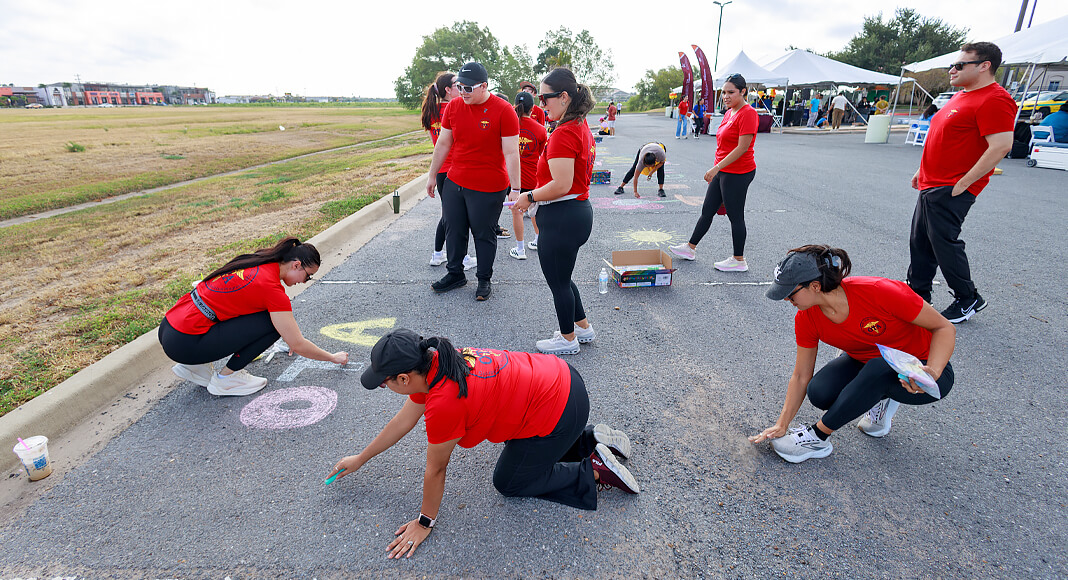
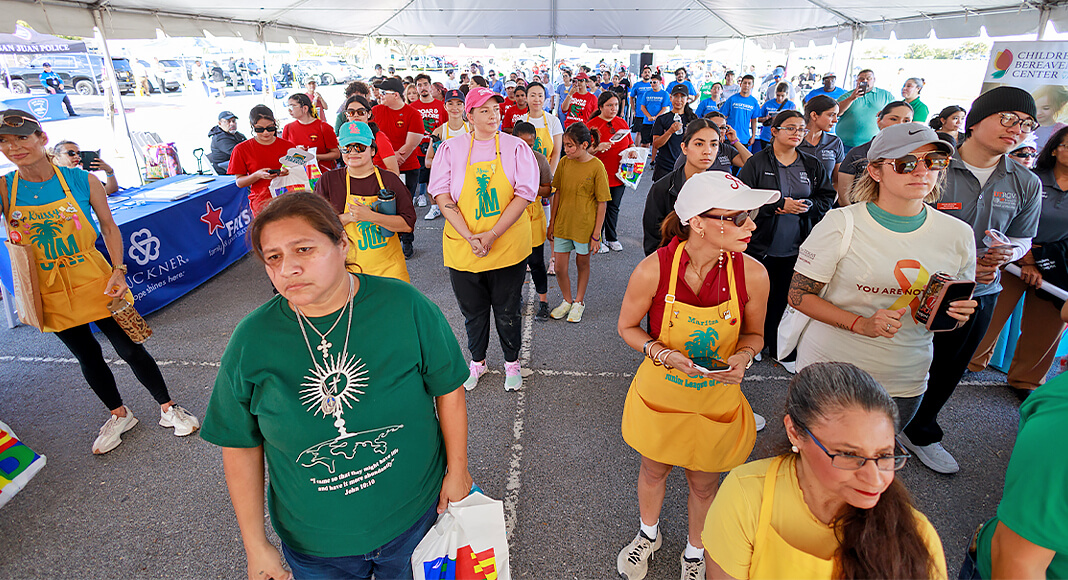
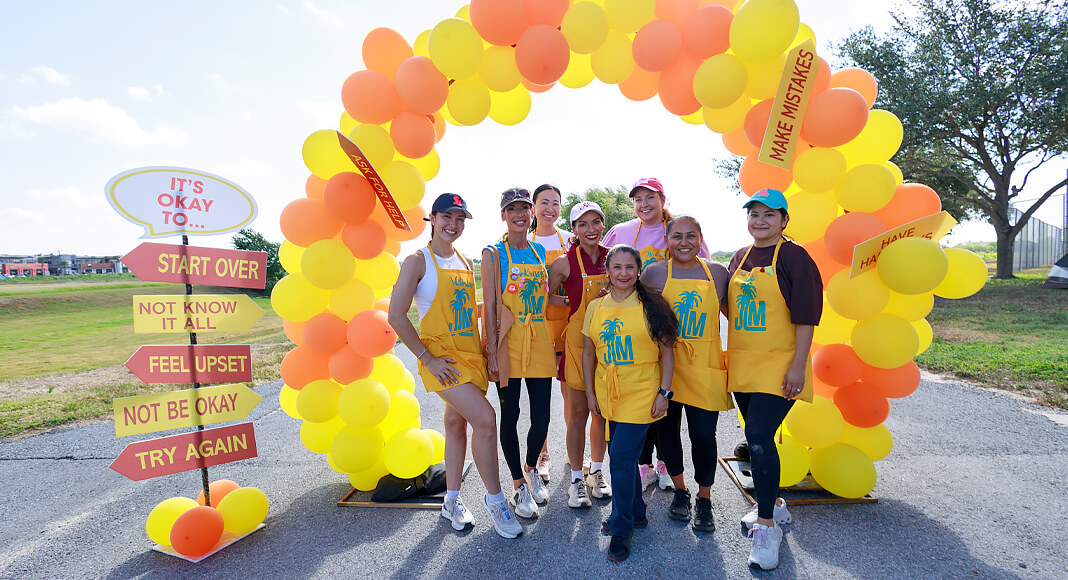
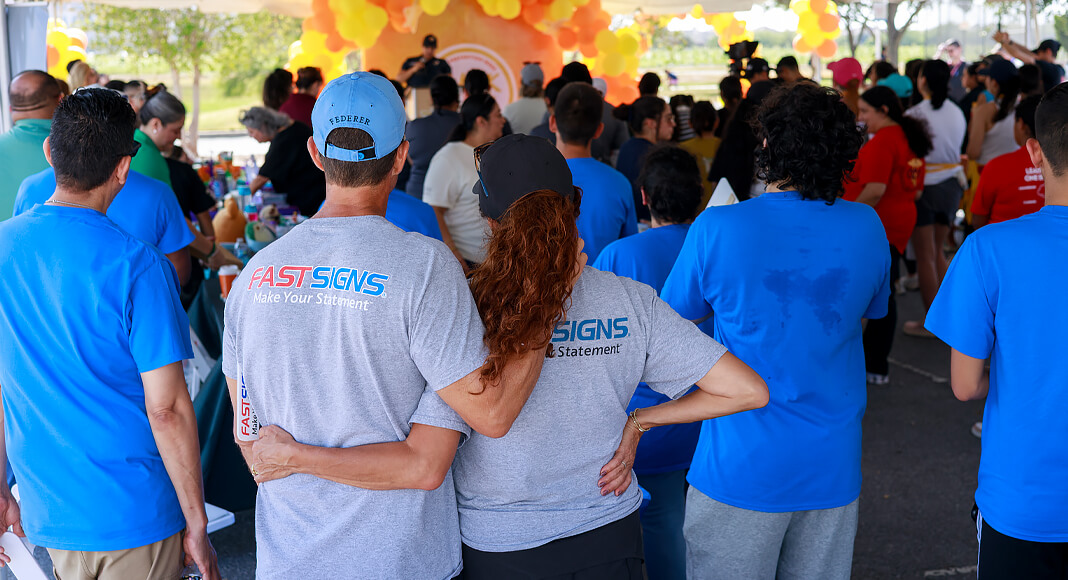
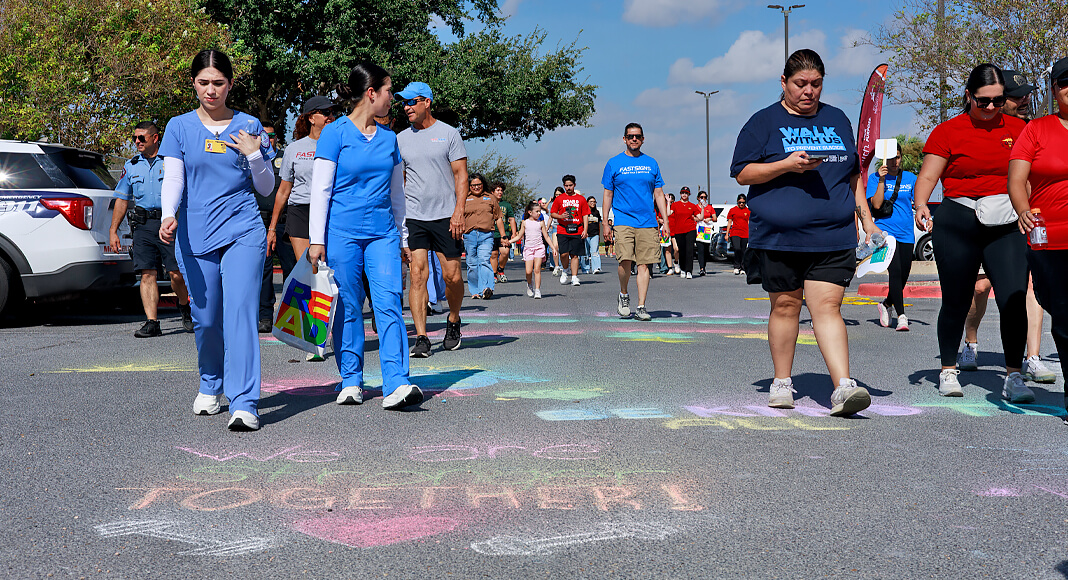
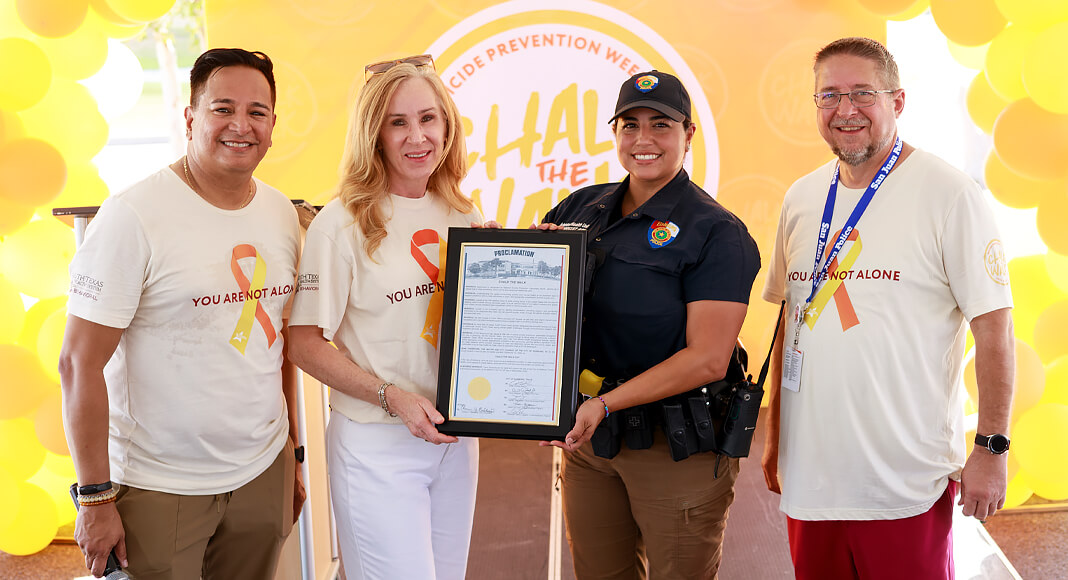
Check out the gallery below to see more imaged of the STHS “Chalk the Walk” Event. All images courtesy of STHS



Suicide is a complex issue, rarely linked to a single cause. Mental health disorders, substance use, chronic illness, financial hardship, relationship difficulties, trauma and major life changes can all contribute to emotional distress and increased risk.
At the same time, education remains critical in breaking down the myths and misconceptions that often surround mental illness and suicide.
“One of the most important messages we can share is that recovery is possible and help is effective,” said Trussell. “A suicidal crisis is often temporary, and timely intervention can save lives. With professional care, strong support systems and meaningful human connection, people can find hope, build resilience and move forward.”
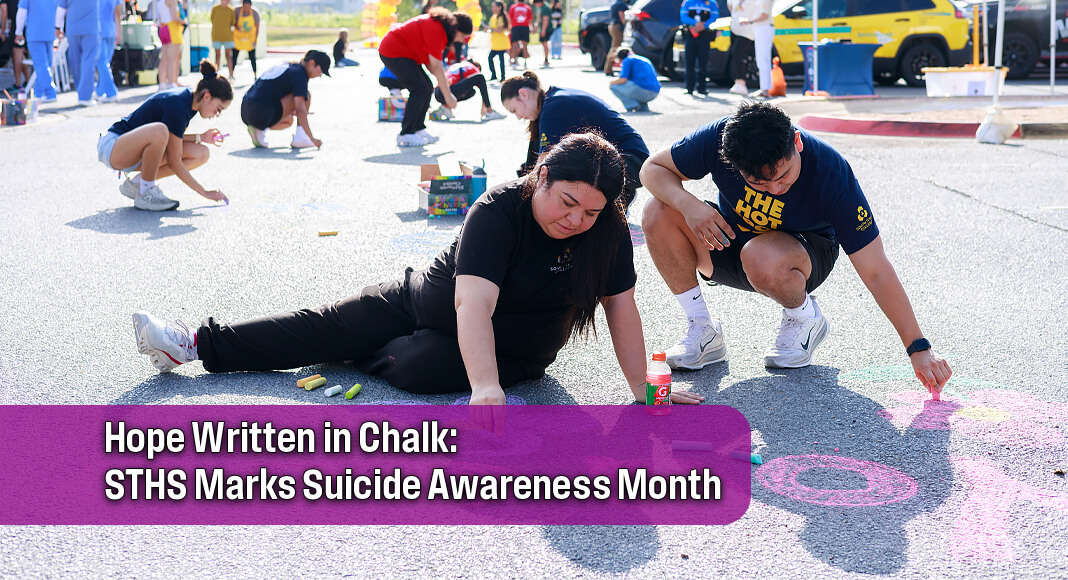
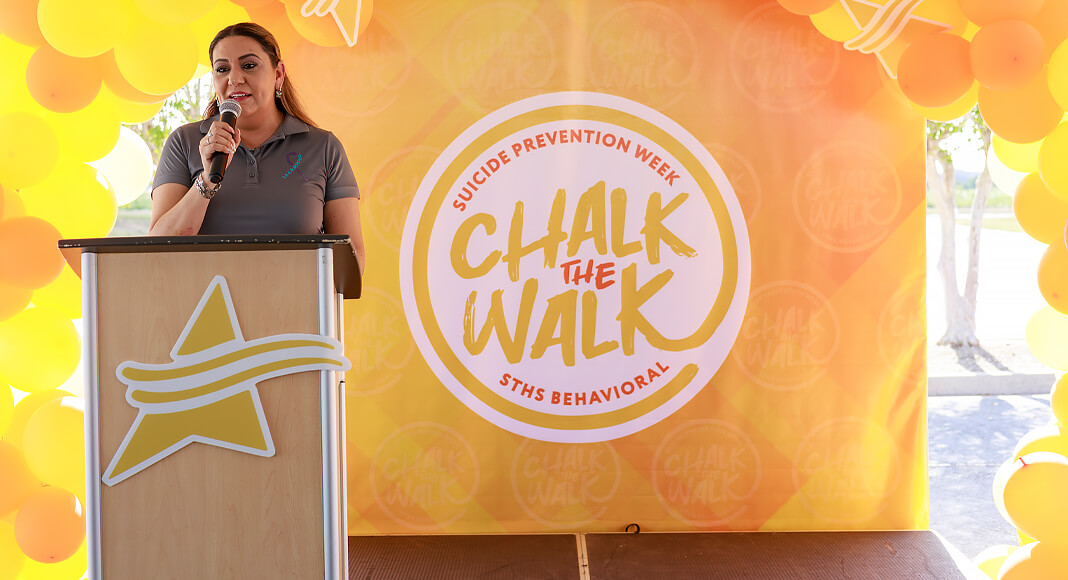
To reinforce that message and encourage conversations around mental wellness, STHS Behavioral welcomed community members from across the Rio Grande Valley to its fifth annual Chalk the Walk: Hope & Inspiration Walk on Saturday, September 12, at its campus in Edinburg.
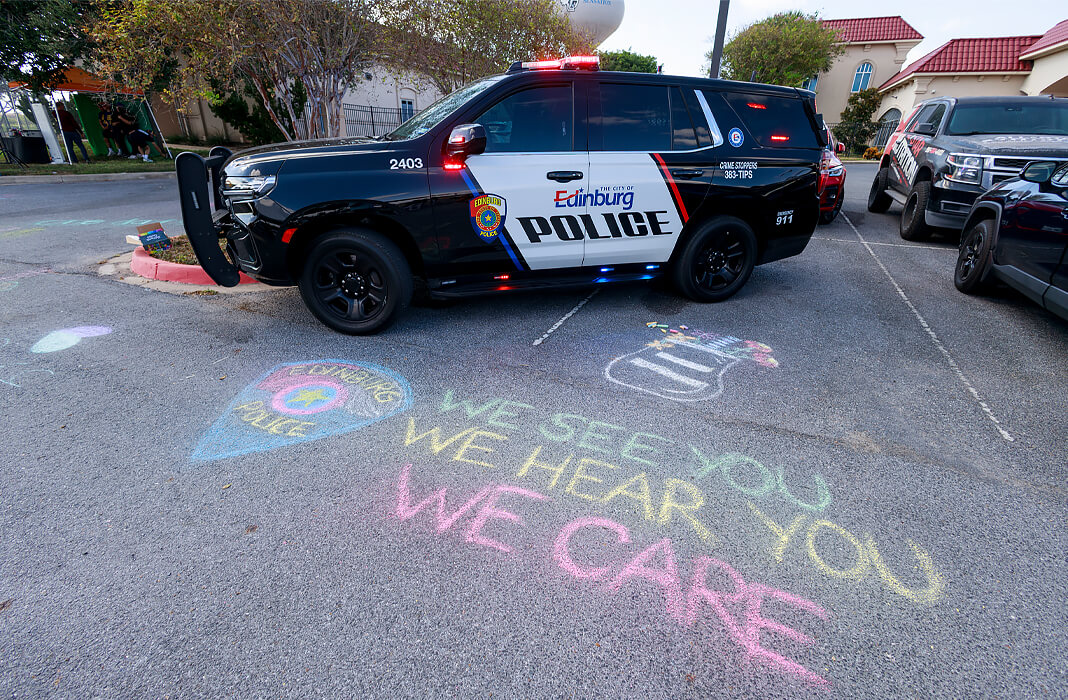
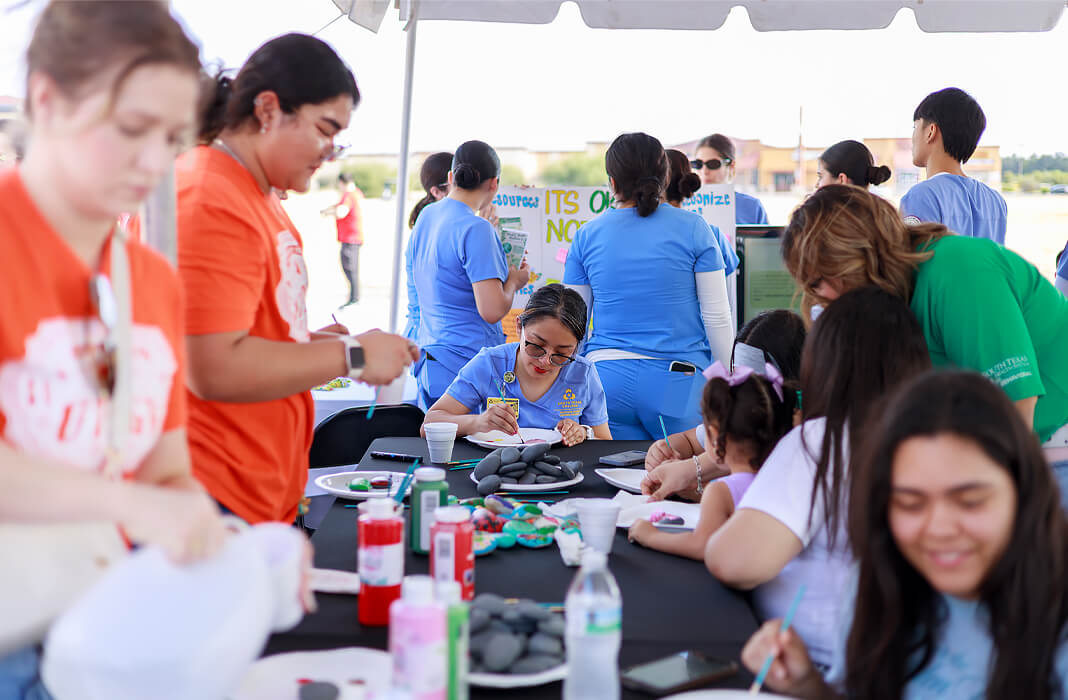
Held in observance of Suicide Prevention Awareness Month, the event drew nearly 300 participants who gathered to honor lives lost to suicide, support those impacted by mental health challenges and demonstrate the strength of community connection. Throughout the morning, sidewalks and walkways across the campus were transformed into colorful displays of encouragement, remembrance and resilience.
The program opened with a moment of silence recognizing those lost to suicide and acknowledging the lasting impact those deaths have on loved ones and communities. Attendees then heard from STHS Behavioral leaders, who emphasized that everyone has a role to play in fostering understanding, offering support and helping those in need feel less alone.
A special guest speaker, Linda Frates, founder of I.S.G.O.D. Cares, shared her family’s deeply personal journey. The nonprofit organization provides faith-based mental health and suicide prevention support for teens, adults and families. Frates spoke candidly about her lifelong struggle with suicidal thoughts and the devastating loss of her 13-year-old daughter, Lesly.
“Unfortunately, we discovered my daughter’s self-harming behaviors too late,” said Frates. “We were able to begin treatment, but we lost her to suicide just four months later. Children can become very skilled at hiding their pain, which is why it’s so important for parents to stay engaged, pay attention to changes in behavior and ask difficult questions when something doesn’t seem right.”
The event also featured a proclamation ceremony led by the Edinburg Police Department, which presented an official declaration from the City of Edinburg recognizing September 12, 2026, as Chalk the Walk Day in support of suicide prevention awareness.
Following the ceremony, participants took part in an 11-minute remembrance walk around the STHS Behavioral campus, honoring those lost to suicide while standing in solidarity with the families, friends and communities affected by those losses. Along the route, attendees viewed displays featuring inspirational messages submitted by local schools, businesses, organizations and community members.
Participants also joined in the event’s signature chalk art activity, transforming sidewalks and public spaces into vibrant expressions of compassion, encouragement and hope.
“Suicide prevention starts with connection,” said Tom Castañeda, System Director of Marketing & Public Relations, STHS. “When people feel seen, heard and supported, they’re more likely to reach out during difficult times. Chalk the Walk reminds us that even small acts of kindness can make a meaningful difference and that no one should have to face life’s challenges alone.”
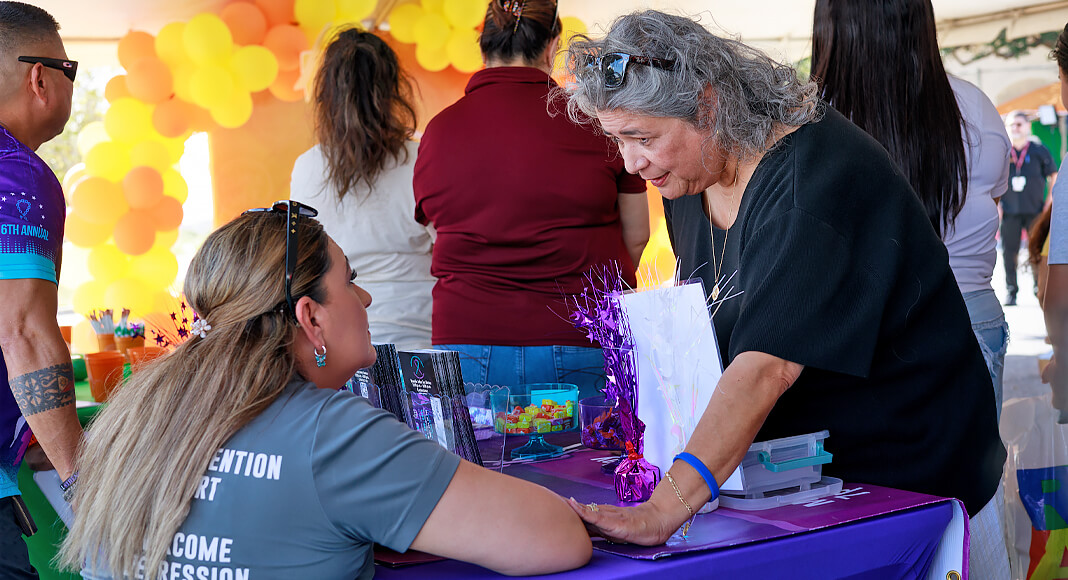
In addition to the remembrance walk and chalk art activities, attendees had access to the event’s ‘You Are Not Alone’ Community Resource Fair, where local organizations provided information on mental health services, crisis intervention resources, wellness programs and support networks available throughout the region.
If you or someone you know is experiencing a mental health crisis, help is available. Call or text 988 to reach the Suicide & Crisis Lifeline. Individuals seeking a confidential mental health assessment through STHS Behavioral can call (956) 388-1300, available 24 hours a day, seven days a week.


