



Mega Doctor News


CHICAGO – With an increasing number of measles cases reported across the U.S. and globally, vaccination rates declining and spring break travel, the American Medical Association (AMA) issued the following statement urging individuals to get vaccinated against the measles if not already immune.

The following statement is attributable to:
Jesse M. Ehrenfeld, M.D., M.P.H.
President, American Medical Association
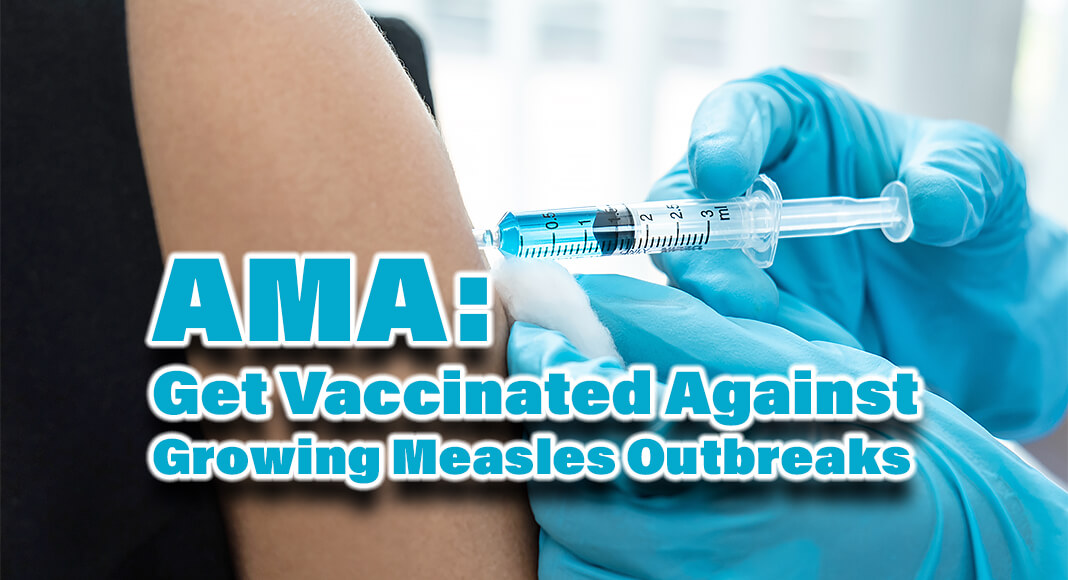
“As many Americans begin spring break travel, the AMA urges everyone who isn’t vaccinated to get themselves and their families vaccinated against the measles. Measles is extremely contagious and can cause life-threatening illness. Vaccination not only prevents infection, measles-related complications and even death, but also helps prevent further spread to loved ones, neighbors, co-workers and others in close contact.
“As evident from the confirmed measles cases reported in 17 states so far this year, when individuals are not immunized as a matter of personal preference or misinformation, they put themselves and others at risk of disease—including children too young to be vaccinated, cancer patients and other immunocompromised people. The overwhelming scientific evidence shows that vaccines remain among the most effective and safest intervention to both prevent individual illness and protect the health of the public.
“When immunization rates are high, people who cannot be protected directly by vaccines are protected because they are not exposed to the disease. However, according to the Centers for Disease Control and Prevention (CDC), the rate of vaccinations against measles in the U.S. has declined since 2019—putting more people at risk of illness, disability and death. The reduction in measles vaccination threatens to erase many years of progress as this previously eliminated vaccine-preventable disease returns. In fact, with lower vaccination coverage among kindergarteners during the 2022–23 school year, the CDC estimates that approximately 250,000 kindergartners are at risk for measles infection.
“We are reminding physicians to talk with their patients about the health risks associated with not being vaccinated and to make a strong recommendation for vaccinations, unless medically inadvisable. We also urge physicians to educate patients on the signs and symptoms, severity and complications of measles given that many people are unfamiliar with the impact of the disease.”
The AMA will continue to support evidence-based vaccines to help prevent measles infection and protect public health. For more information about the measles, current outbreaks and resources for talking to parents about vaccines, visit the CDC’s website.