








Mega Doctor News
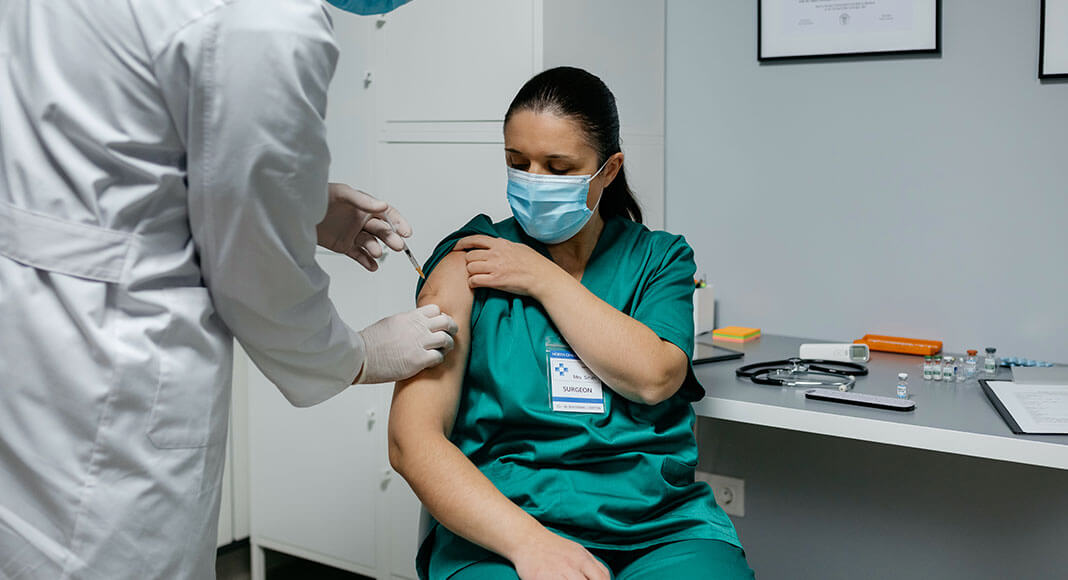
Newswise — CHICAGO – Amid the new surge of COVID-19 cases across the U.S., the American Society of Anesthesiologists (ASA), and 10 professional societies associated with the specialty, are strongly encouraging the nation’s health care workers and all eligible Americans to get fully vaccinated with one of the COVID-19 vaccines. ASA and the associated societies remind the public that widespread vaccination is the most effective way to reduce illness and death.
The statement released by ASA, the American Society of Regional Anesthesia and Pain Medicine, the Anesthesia Patient Safety Foundation, the Society for Ambulatory Anesthesia, the Society for Education in Anesthesia, the Society for Neuroscience in Anesthesiology and Critical Care, the Society for Obstetric Anesthesia and Perinatology, the Society for Pediatric Anesthesia, the Society of Academic Associations of Anesthesiology & Perioperative Medicine, the Society of Cardiovascular Anesthesiologists, and the Society of Critical Care Anesthesiologists highlights the importance of vaccination for all health care personnel.
“As physician anesthesiologists and anesthesiology professionals, we provide care for patients in the operating room, delivery room, critical care unit and ambulatory settings. We also served on the front lines throughout the pandemic and have seen firsthand the devastating impact of this virus,” said ASA President Beverly K. Philip, M.D., FACA, FASA. “The health and safety of our members, our colleagues, and our patients are our highest priority and we urge closing the vaccination gap.”

Millions of Americans remain unvaccinated including health care personnel, and are at increased risk for illness in the current surge with the “Delta” variant. COVID-19 vaccines have been shown to be safe and effective at significantly reducing the risks of becoming infected, spreading the infection to others, and becoming severely ill or dying from the disease.
“Vaccination is critical for everyone, but is especially essential for health care personnel because it reduces the likelihood of unintentionally spreading COVID-19 to our patients, especially those who may have weakened immune systems,” said Dr. Philip. “We stand with all of our medical colleagues and offer our support and strong encouragement for COVID-19 vaccination.” Read the full Joint Statement on COVID-19 Vaccination of Health Care Personnel here.


