







Mega Doctor News

Cleveland Clinic – We’ve all heard an ‘Air Quality Alert’ mentioned during a weather forecast.
But what does it mean and how might it impact your health?
Sumita Khatri, MD, a respiratory specialist with Cleveland Clinic, said even people who are generally healthy may want to avoid being outdoors when air quality is poor, but certain groups should take extra care.

“There are other people who are more sensitive and these are people with chronic lung and heart problems, elderly adults and children are often more susceptible,” she explained.
An Air Quality Alert is issued when air pollution is high, so we can adjust our activities and avoid certain things – like being outdoors during the hottest part of the day.
When heat and sunlight mix with exhaust from vehicles and industry, ozone levels rise. Ozone is one of five pollutants considered when calculating air quality.
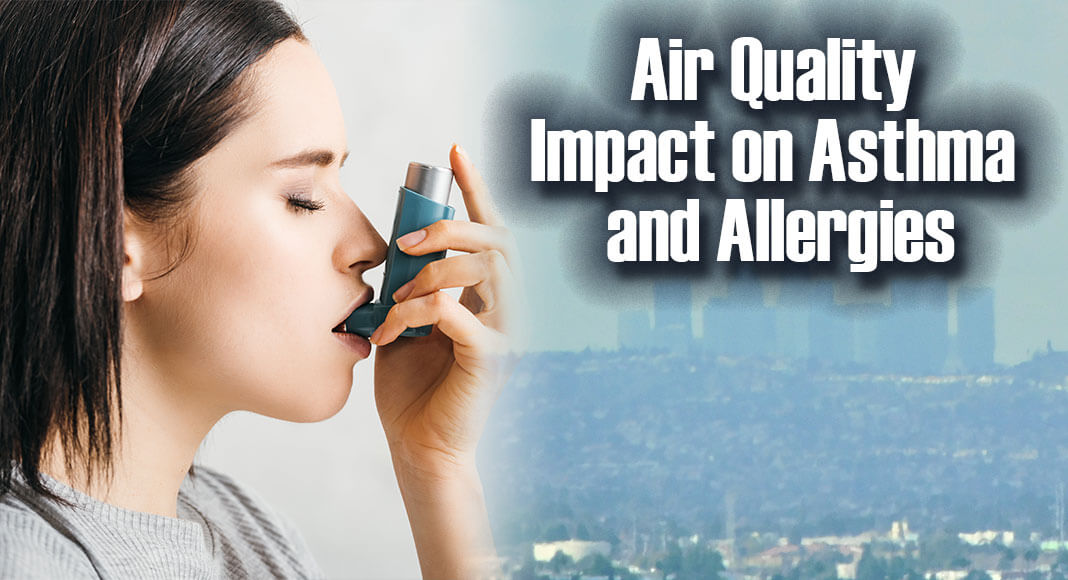
High ozone can aggravate asthma, leading to coughing, wheezing or chest tightness. Dr. Khatri said allergy suffers are impacted by ozone as well.
“For people exposed to ozone, there’s a bit of a lag effect,” she said. “So, you may not realize in the moment that you’re in a high ozone time period. But then, the next day or the following day you can have actually heightened affects to allergies. The ozone primes you to being more allergic if you’re already allergic.”
Dr. Khatri recommends people with asthma pay special attention to air quality and always carry their inhaler when an alert is issued.
In addition, she advises avoiding exercise in high traffic areas and during midday heat, when air pollution is high.


