








Mega Doctor News

President, American Medical Association
Courtesy Image
The following statement is attributable to:
Gerald E. Harmon, MD
President, American Medical Association
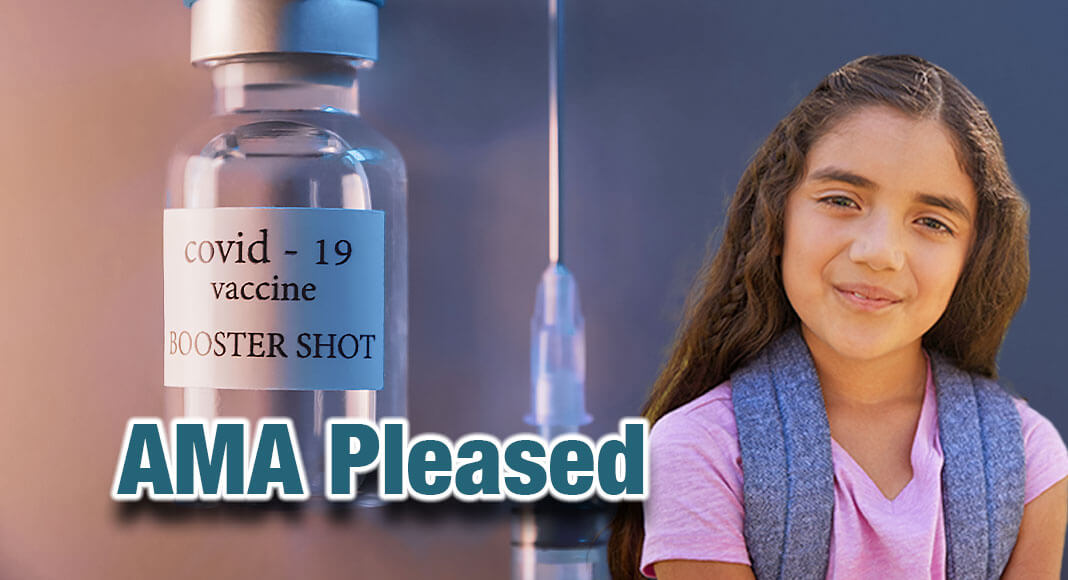
“We applaud the Advisory Committee on Immunization Practices (ACIP) for their thoughtful deliberations and recommendation supporting that children ages 5-11 should receive a booster dose of the Pfizer-BioNTech COVID-19 vaccine, at least five months after completion of the primary series. Based on what we know from other age groups, vaccine effectiveness against SARS-CoV-2 infection declines over time and vaccine booster doses have been shown to increase protection against all outcomes. With the highly transmissible Omicron variant continuing to evolve, strengthened neutralizing antibodies from the booster dose provides an additional layer of protection.
“The scientific evidence is clear that the vaccines against COVID-19 are safe and remain effective in preventing hospitalization and severe disease. It is concerning that only one in three children between the ages of 5 and 11 in the United States have received two doses of the vaccine, in part because parents believe them to be at lower risk for severe disease than adults. But the Omicron variant brought about change that should alter that calculus. According to the Centers for Disease Control and Prevention (CDC), the highly transmissible variant not only sent more children to the hospital and ICU than previous waves, but children who were unvaccinated were twice as likely to be hospitalized as those were vaccinated.

“Against this backdrop, we continue to strongly urge those who are eligible to stay up to date on their COVID-19 vaccines, including booster doses, to protect themselves and their loved ones from severe complications, hospitalization, and death. We look forward to the deliberations of the FDA’s Vaccines and Related Biological Products Advisory Committee and the ACIP on COVID-19 vaccine for kids under the age of 5, as many families are anxiously awaiting a safe and effective vaccine for this population.”
“Anyone with questions about the vaccines should speak with their physician and review trusted resources, including getvaccineanswers.org.”


