Mega Doctor News

CLEVELAND CLINIC – October is National Bullying Prevention Month
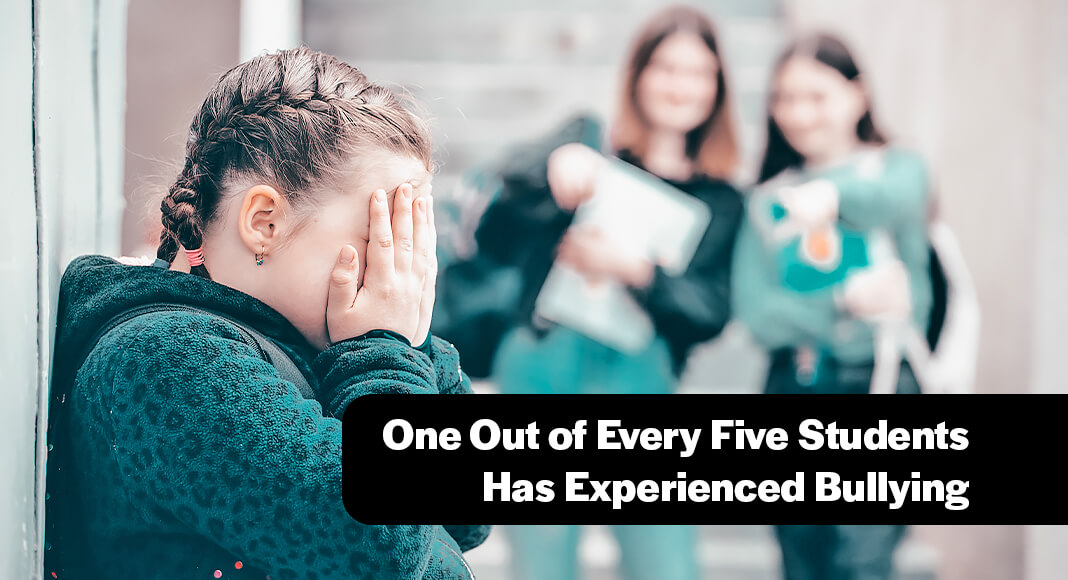
Reports show one out of every five students has experienced bullying, with it happening most often at school.
So, what can parents do to help protect their children?

“For parents, when your child comes home and says, ‘So-and-so is being mean to me,’ don’t overreact. Don’t turn it into, ‘I’m going to go call their parents; I’m going to call the teacher.’ First, ask what happened, listen, and let your child talk,” said Vanessa Jensen, PsyD, pediatric psychologist at Cleveland Clinic Children’s. “Sometimes they can talk it through, and in the end, they’re like, ‘But we’re still friends.’ If we overreact as adults, kids then overreact.”
Dr. Jensen said if the bullying persists, then it might be time to talk to the teacher.
But again, it’s best not to overreact.
So, what are some signs a parent may need to intervene?
She said if your child keeps making excuses for why they don’t want to go to school or another activity, that is a concern.
For example, they keep saying their stomach hurts or have a headache.
She said, sadly, bullying can’t always be prevented, but you can teach your child different ways to respond.
“Bullies are less likely to bully groups of kids than they are a single kid. So have somebody in each class, or in your main classes, have a couple of people you know have your back. That’s one really good strategy for young kids. Ignoring is useful to a point. When it gets really mean or it gets physical, then you have to bump it up,” she said.
Dr. Jensen reminds parents that bullying doesn’t just happen in person, but online too.
She recommends regularly monitoring your child’s social media activity and limiting how much time they can spend on their phones and tablets.