
Mega Doctor News


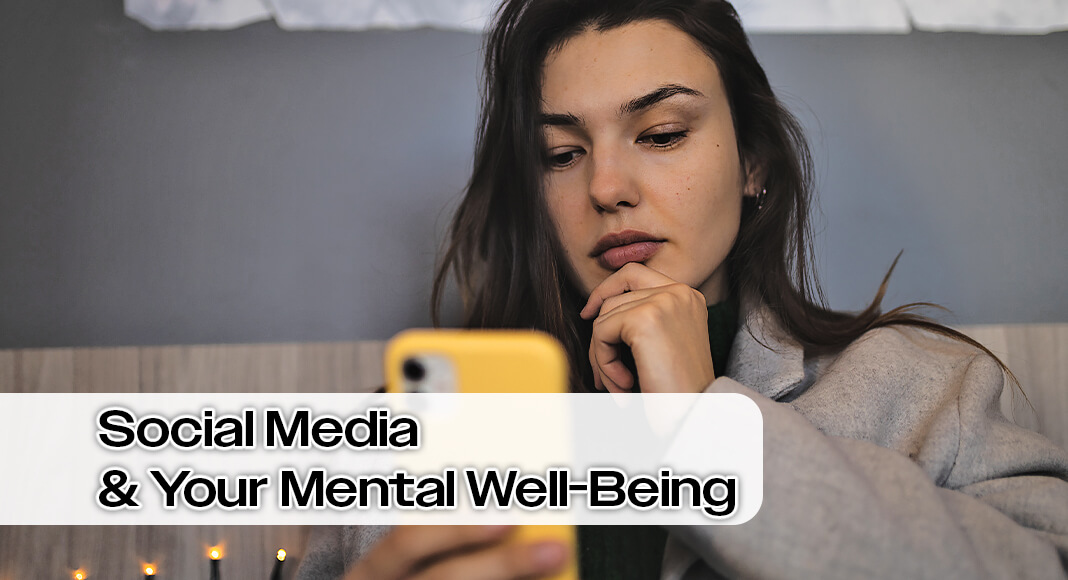
CLEVELAND CLINIC – Many of us spend hours scrolling through social media every day, but have you ever stopped to think about the impact it has on our mental health?
According to Cleveland Clinic’s Susan Albers, PsyD, there are pros and cons.
“It depends on the intent of the way you use social media. Studies have shown that it can decrease loneliness when you’re using social media for its intended purpose – to follow other individuals in your life, to stay up to date; instead of using social media in lieu of in-person connection, validation or seeking reward,” said Dr. Albers.

Dr. Albers said feeling like we belong is a basic need and some people turn to social media as a way to fulfill it.
She adds that online groups allow us to find like-minded people who help us feel seen.
For those who are geographically isolated, have a disability or social anxiety, social platforms can be a lifeline to stay connected.
But social media may also cause people to compare themselves to others, which can be dangerous because content is often polished and filtered.
Dr. Albers said this can create unrealistic expectations and wear down self-esteem over time.
In general, when it comes to mental health, she advises that social media is best in small doses.
“According to studies, those who spend a significant amount of time online, above two hours each and every day, are at risk for anxiety and depression,” she said. “When you spend a great deal of time online and that connection turns into competition or comparison, this is a significant trigger for mental health issues.”
If too much scrolling has you feeling down, a digital detox may help.
Dr. Albers suggests getting away from your screen for fresh air and sunshine to boost your mood, so you can refocus on what brings you joy.