
Mega Doctor News


In the United States, 70% of adults experience at least one traumatic event in their lifetime, per the National Institute of Mental Health. That’s approximately 223.4 million Americans.
A deeply distressing or disturbing experience that can have long-lasting effects on a person’s mental health, trauma can shatter a person’s sense of security and affect their ability to cope.
Whether physical or psychological, trauma can have profound and lasting consequences on a person’s health and wellbeing, especially if left untreated.

Compounding the issue, trauma – whether experienced firsthand or witnessed, which is called secondary trauma –can impact individuals differently, if at all, even when exposed to the same traumatic event.
Often viewed as an individual or interpersonal issue, trauma can be caused by several factors like an accident, physical abuse, emotional neglect, violence or loss.
While not always visible, the effects of trauma are real. From anxiety and depression to feelings of shame and avoidance of people, trauma can have a wide range of effects on mental and emotional wellbeing, leading to functional impairment, which can result in decreased quality of life, morbidity and poorer health outcomes.
Among the common effects of trauma is the development of post-traumatic stress disorder (PTSD) – a mental health condition caused by exposure to severe trauma. In the United States, an estimated 3.6% of adults experienced PTSD in the last year, per the National Institute of Mental Health, with the prevalence of PTSD being higher for women.
Beyond PTSD, trauma can also lead to anxiety, depression and suicidal ideation, as well as affect relationships, daily functioning and an individual’s self-worth.
“Trauma can have a profound impact on mental health and affect the way you see yourself, others and the world around you,” says Jessica Becker, Chief Executive Officer, South Texas Health System Behavioral. “For those who have experienced trauma and are living with the effects – it is important to recognize that healing is possible with the right support. People can recover, grow and thrive.”
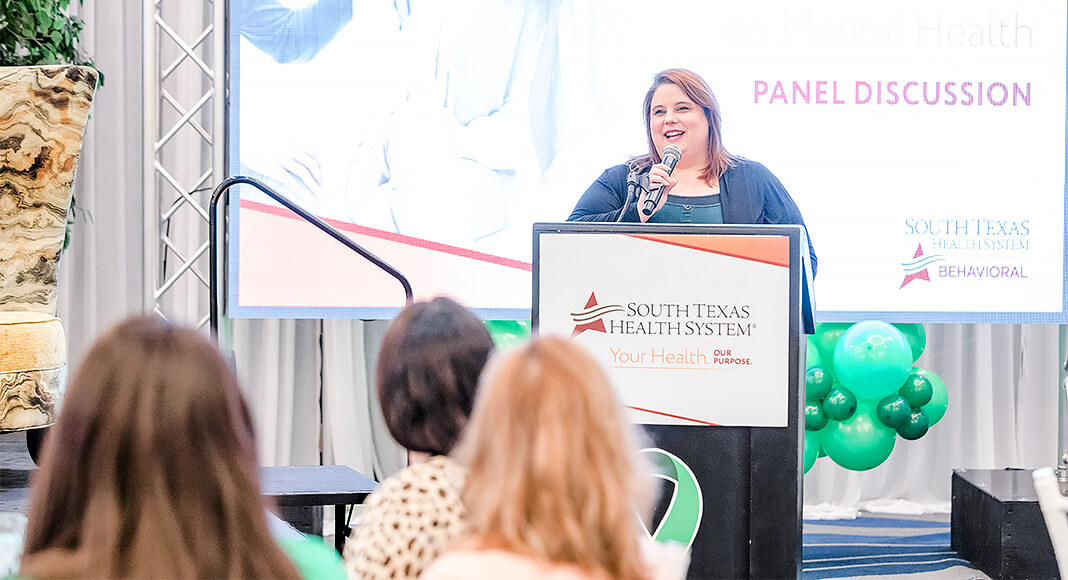
In commemoration of Mental Health Awareness Month, South Texas Health System Behavioral hosted a special panel discussion this week as part of its commitment to breaking the stigma surrounding mental health in the Rio Grande Valley.
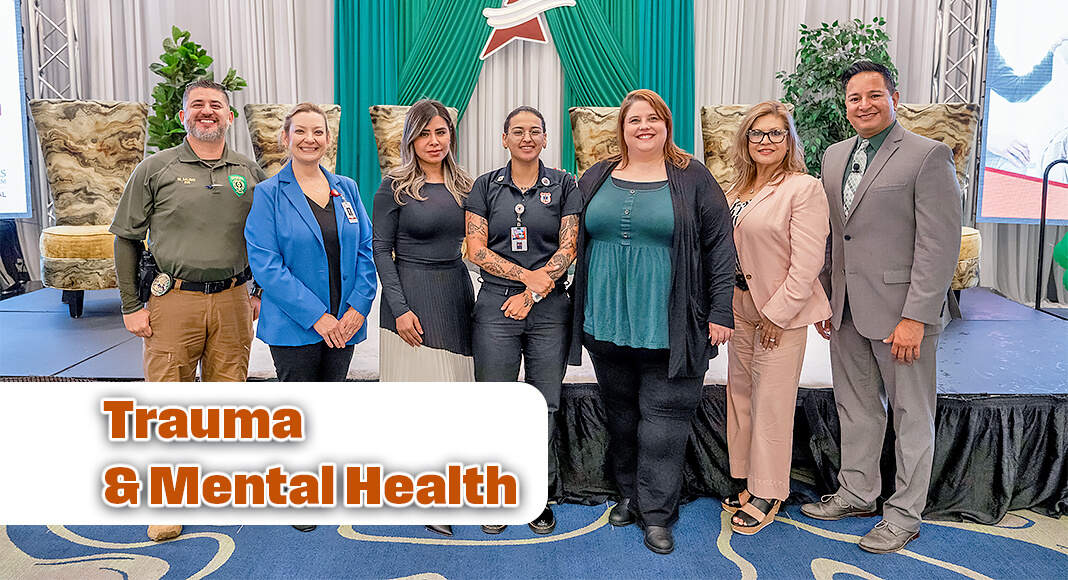
Entitled “The Impact of Trauma on Mental Health,” the insightful conversation featured five guest speakers discussing the impact experiencing trauma, even witnessing it, can have on our lives.
“Trauma awareness within our community is so important,” says Leticia Sosa, Director of Outpatient Services, STHS Behavioral, who served a panelist. “As a clinician and therapist, I have seen first-hand how there’s still a stigma surrounding trauma. Unfortunately, there are so many people in our community that need help and don’t know it or don’t know where to go for help, support and resources. So, this panel discussion served as an opportunity to provide important education for those struggling, as well as first responders, healthcare providers and the community at large. After all, you never know if someone is working through recent or past trauma, and we all need to take steps to avoid any re-traumatization.”
In addition to Sosa, who spoke about how STHS Behavioral’s Intensive Outpatient Program helps patients work through trauma, the other panelists included Margarito T. Salinas Jr., a mental health officer with the Edinburg Police Department; Cecelia Mata, Director of Legal Advocacy & Social Services, Women Together Foundation,Inc.; Chelsy Barron, an emergency medical technician (EMT) with Med-Care EMS; and Kennetha Foster, Chief Operating Officer, STHS Edinburg.
Held at the Radisson Hotel McAllen Airport, the panel discussion offered the chance to learn more about common trauma responses and signs of post-traumatic stress disorder, the long-term health consequences on untreated traumaand effective approaches to support healing and resilience.
Beyond that, STHS Behavioral’s annual discussion highlighted resources available for individuals in the community who may be dealing with trauma or mental health challenges.
“Mental health affects everyone and STHS Behavioral is committed to breaking down barriers and offering the support needed to cope with issues that can result from trauma,” says Becker. “A lot of times, we want to be strong and that’s okay, but it’s important to acknowledge when we require a helping hand and need to talk to somebody.”
For more information on the mental and behavioral health services at STHS Behavioral or for a confidential assessment, call 956-388-1300 or visit STHSBehavioral.com.
Information source: STHS