Mega Doctor News

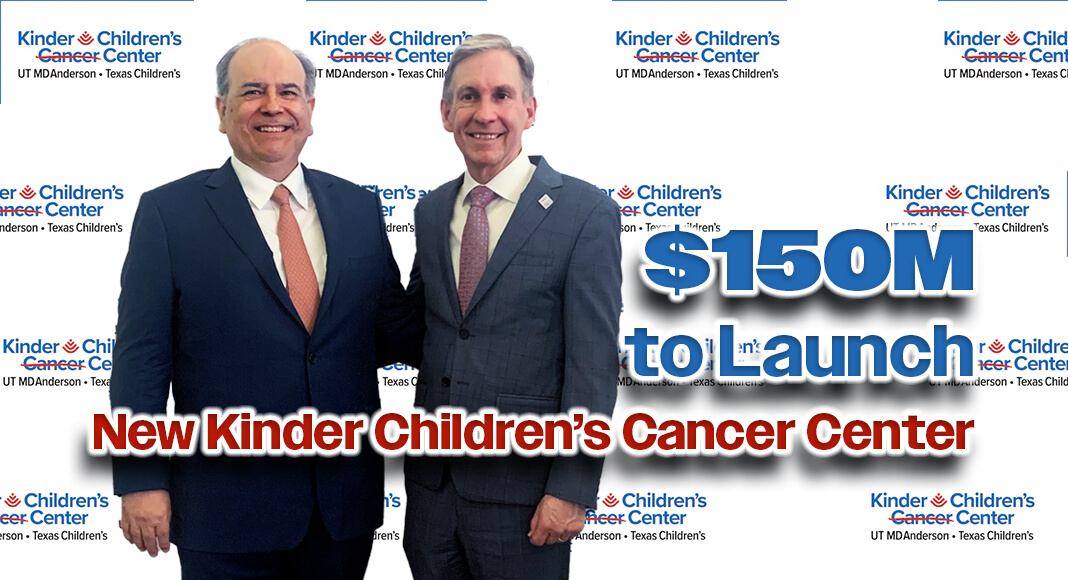
The University of Texas MD Anderson Cancer Center and Texas Children’s Hospital have announced a $150 million gift from the Kinder Foundation to establish the Kinder Children’s Cancer Center — a pioneering initiative with a singular goal: to end childhood cancer.
One of the largest philanthropic contributions to a U.S. pediatric hospital, the gift will support the creation of the nation’s most comprehensive center dedicated solely to childhood cancer. The new facility will be constructed in the Texas Medical Center, located on the 6700 block of Main Street in Houston, and is expected to open in early 2026.

“Our philanthropic focus is on transformational efforts in Houston, and this initiative does just that,” said Rich Kinder, chairman of Kinder Foundation. “This collaboration is a rare and powerful moment — a chance to reshape the future of pediatric cancer care. We’re proud to help create a world-class center that brings hope to families everywhere.”

The gift launches a multi-year campaign to fund construction, research, and clinical care, solidifying a groundbreaking partnership between two of the country’s leading healthcare institutions. The new center will house inpatient units, outpatient care, and cutting-edge research labs, all designed specifically with children and families in mind.
“This historic gift reflects the vision and future impact of our collaboration with MD Anderson,” said Dr. Debra Sukin, CEO of Texas Children’s Hospital. “Together, we will accelerate research, expand access, and lead the global fight against pediatric cancer.”
A key feature of the Kinder Children’s Cancer Center is the combination of Texas Children’s expertise in pediatric care with MD Anderson’s strength in cancer research and clinical trials. This partnership will dramatically expand access to life-saving trials and new treatments. The center also aims to speed drug development and improve long-term survivorship for children with cancer.

Patient care will be centered at Texas Children’s Hospital, while MD Anderson will continue to provide radiation oncology services. The center will also offer Adolescent and Young Adult (AYA) programs at both institutions. It will be governed jointly, with leadership chosen through an international search.
Dr. Peter WT Pisters, president of MD Anderson, added, “This center will be a global destination for childhood cancer care. We’re proud to unite with Texas Children’s to create something truly unprecedented in pediatric oncology.”
The announcement was made at a celebration at the Museum of Fine Arts, Houston, attended by hospital leaders, the Kinders, and key supporters. As both institutions join forces, the Kinder Children’s Cancer Center promises to bring healing, innovation, and lasting change to children and families facing cancer — in Houston and beyond.