








Mega Doctor News
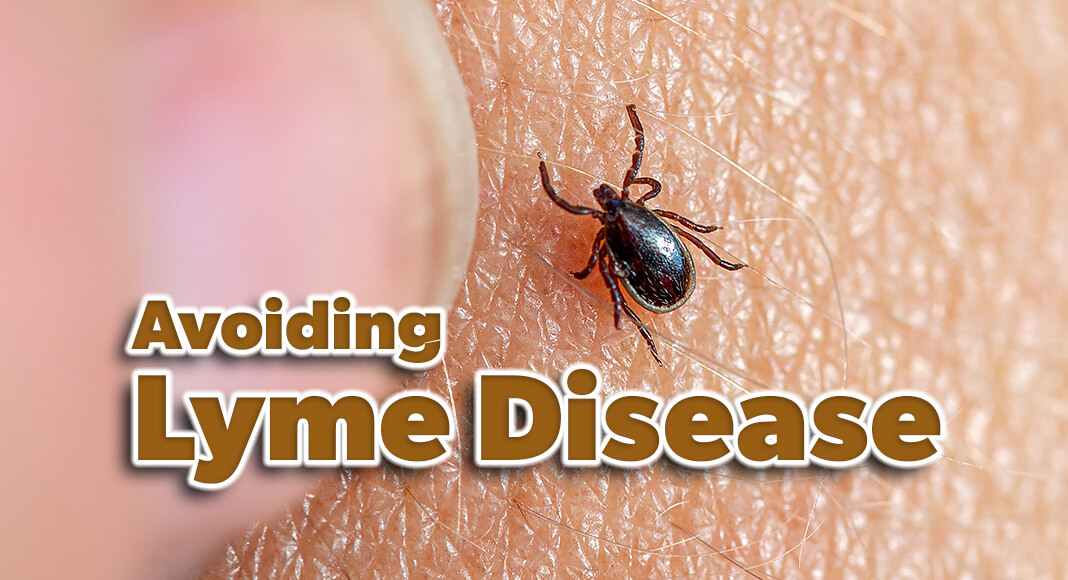
CLEVELAND CLINIC – Lyme disease is primarily spread through blacklegged tick bites, which is why it’s important to be careful when you’re outside this summer.
“There area number of things we can do to help prevent potential contraction of Lyme disease and prevent tick bite. We start with clothing, making sure the clothing is tucked in, good fitting socks, pants, long pants, long sleeve shirts, and then repellents are very effective,” said Christopher Bazzoli, MD, an emergency medicine physician at Cleveland Clinic.
Dr. Bazzoli said when it comes to checking for ticks, you should examine every part of your body, including your head.

Ticks tend to like moist, warm areas.
For example, under the arms or the back of the knees.
If you do find a tick, Dr. Bazzoli said it’s best to use tweezers to remove it.
And make sure you’re getting as close to the skin as possible when you grab it, that way none of it is left behind.
Once you get a good grip on the tick, pull straight up.
If you don’t get all of it, you can remove the rest with the tweezers.
“After we remove a tick, there’s now a break in the skin, and just like any other break in the skin, we need to be careful to prevent a secondary bacterial infection. And so, washing that area with warm and soapy water is really important,” he advised.
Dr. Bazzoli said if you notice any concerning symptoms, like a rash, fever, headache or fatigue, tell your doctor right away.
He also reminds pet owners to check their furry friends too.
They could unknowingly bring ticks back into the house after being outside.


