









Mega Doctor News
By Children’s Hospital Los Angeles
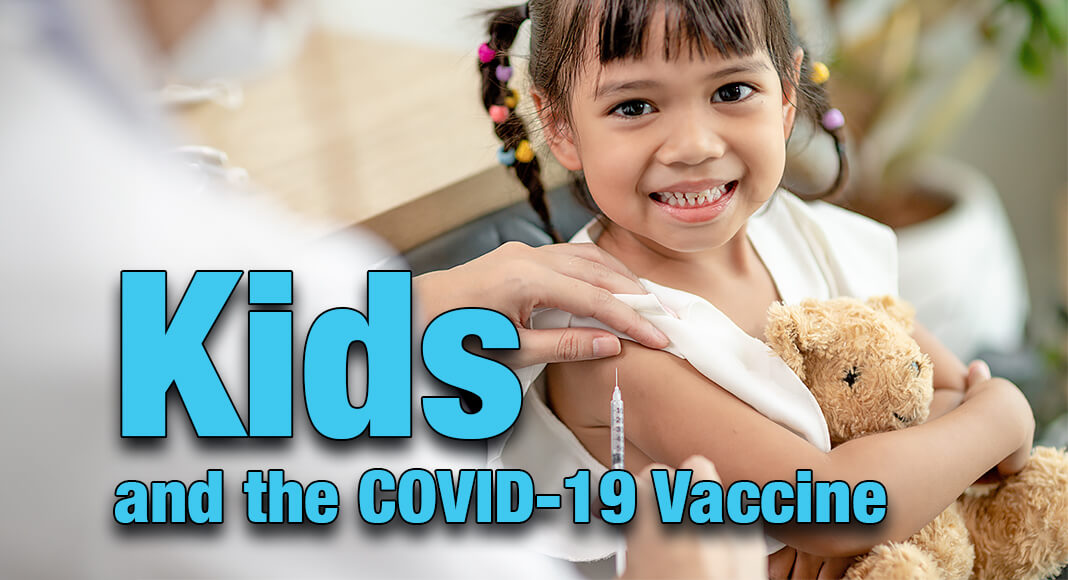
Newswise – The Centers for Disease Control and Prevention (CDC) recommends that everyone approved to receive a COVID-19 vaccine get one—including children ages 6 months and older. For children in the youngest age group, two vaccines have been approved: Pfizer-BioNTech’s three-dose vaccine and Moderna’s two-dose vaccine for those ages 6 months to 4 years old.
While many parents have gotten their children vaccinated, some families have questions about the vaccine’s safety and efficacy. We spoke to several experts at Children’s Hospital Los Angeles, including Michael Smit, MD, MSPH, Hospital Epidemiologist and Medical Director of Infection Prevention and Control, and Marisa Glucoft, MPH, Vice President of Quality Improvement and Patient Safety, to answer some frequently asked questions.

Is the vaccine effective in children?
Yes. Children in clinical trials developed robust immune responses to protect against COVID-19. Studies have shown that the vaccine is effective in preventing significant illness in children ages 6 months and up.
Is the vaccine safe?
Yes. According to the data released by Moderna, Pfizer and the Food and Drug Administration (FDA), the COVID-19 vaccines are safe and effective for children. The CDC notes that getting a COVID-19 vaccine is a safer, more reliable way to build protection than getting sick with COVID-19. COVID-19 vaccines are effective at protecting people from getting seriously ill, being hospitalized and dying. Vaccination remains the safest strategy for avoiding hospitalizations, long-term health outcomes and death. Children, like adults, can suffer from long COVID, which can include symptoms such as anxiety, depression, brain fog, memory loss, headaches, sleep disorders, shortness of breath, muscle weakness and more. In rare cases, children can also suffer from a post-COVID-19 disorder called multisystem inflammatory disorder in children, (MIS-C), an inflammatory condition that affects some children around four to eight weeks after COVID-19 infection.
What are the possible side effects of the vaccine?
In clinical trials, the most common side effects in children were fatigue, headaches, muscle pain, chills and sometimes fever. According to the FDA, the data submitted by Pfizer did not include any cases of myocarditis, an inflammation of the heart muscle that has been a rare occurrence in adolescents and young adults, and even more rare in children younger than 11.
Is the dose for children the same as for adults?
No. The dosage for children ages 5-11 is one-third the amount given to adults and children over 12. The Pfizer vaccine for the youngest age group is one-tenth the strength of the adult dose. It is given over three shots—the first two are done three weeks apart, with the third shot at least eight weeks after the second one. The Moderna vaccine for that age group is one-quarter the strength of its adult dose, given in two shots four weeks apart.
How long after receiving the COVID-19 vaccine will my child be protected?
Similar to the adult vaccine, a child will be considered fully vaccinated two weeks after receiving the final dose of the vaccine.
Does getting vaccinated mean my child can stop wearing a mask?
Children should follow the same safety guidelines as vaccinated adults, based on CDC, state and local public health recommendations and regulations.
Can my child still get COVID-19 after being vaccinated?
Yes, it is possible to become infected with COVID-19 after being vaccinated. However, the vaccine reduces the likelihood of infection—and greatly reduces the risk of severe disease, including hospitalization and death.
Does my child need to be quarantined after getting the vaccine?
No, there is no reason to quarantine after receiving the COVID-19 vaccine.
Can my child receive the COVID-19 vaccine and the flu shot at the same time?
Yes, the CDC has said it’s safe to get the COVID and flu vaccines at the same time.
Where can my child get the COVID-19 vaccine and the flu vaccine?
The COVID-19 vaccine is available at most of the same locations as the flu shot, such as at pharmacies, pediatrician offices and children’s hospitals. Visit your local public health website to find the available locations in your area. Children’s Hospital Los Angeles has appointments available for the COVID-19 vaccine through the California public health portal, MyTurn.ca.gov.


