Three Ways to Slow Down Type 2 Diabetes-Related Brain Aging

Translate to Spanish or other 102 languages!

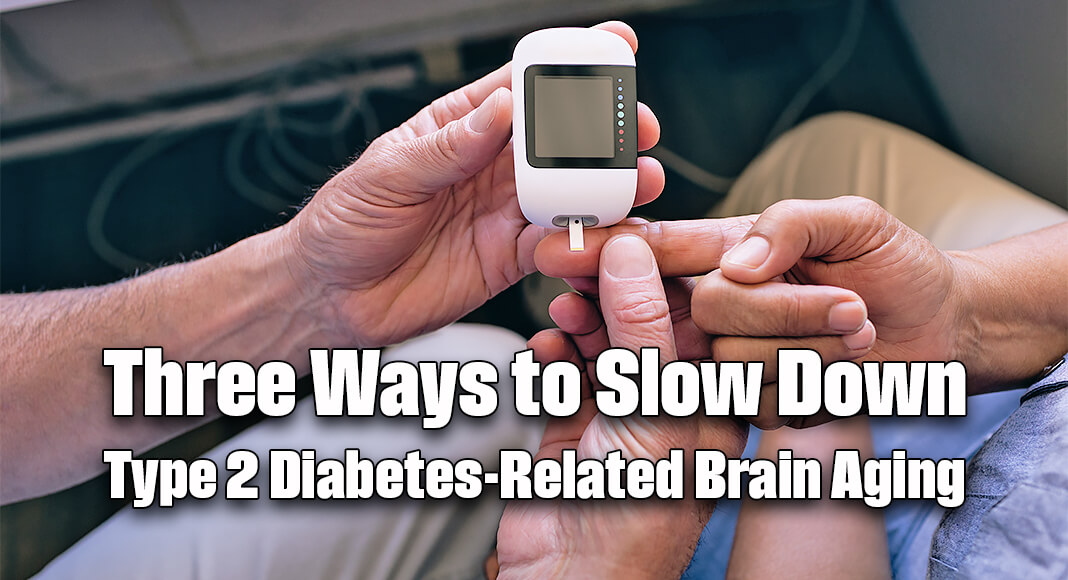
Type 2 diabetes can affect multiple organ systems in the body—the heart, eyes, kidneys, and even the brain.  Image for illustration purposes
Type 2 diabetes can affect multiple organ systems in the body—the heart, eyes, kidneys, and even the brain. Image for illustration purposes
- Advertisement -

Type 2 diabetes can affect multiple organ systems in the body—the heart, eyes, kidneys, and even the brain. Researchers have also discovered evidence of diabetes leading to faster brain aging, which could increase the risk of Alzheimer’s. But is there a way to prevent this, and how so? In this podcast, we discuss lifestyle interventions that could help slow diabetes-related cognitive decline.

Follow the link below to read the full story on Medical News Today:

https://www.medicalnewstoday.com/articles/3-lifestyle-changes-slow-down-type-2-diabetes-related-brain-aging?slot_pos=article_1&utm_source=Sailthru%20Email&utm_medium=Email&utm_campaign=MNT%20Daily%20News&utm_content=2024-10-10&apid=&rvid=4ba4ec80177cae00eabc43b8bc6648d598c4a356d104663735777e0a0f8b5c9f#1

- Advertisement -

Information Source:  https://www.medicalnewstoday.com

- Advertisement -

- Advertisement -

- Advertisement -

More Articles

FDA Approves First in Class Targeted Therapy for Metastatic Pancreatic Cancer

The U.S. Food and Drug Administration approved Rasonque (daraxonrasib), a RAS inhibitor for the most common form of pancreatic cancer—delivering a new treatment option to patients with advanced pancreatic cancer months ahead of schedule. 

STHS Behavioral’s Webinar on Suicide Prevention Awareness, Sept. 3rd

More than 49,000 people died by suicide in the United States in 2023, according to the Centers for Disease Control and Prevention (CDC), making it one of the leading causes of death among adolescents and adults.

How Dogs Benefit Mind and Soul

"Dogs are wonderful greeters. They're waiting for you to come home, and they're always happy to see you. In turn, this increases our feel-good hormones, like dopamine and serotonin,” explained Chivonna Childs, PhD.

Data Reveals US Illicit Fentanyl Use is Double That of Clinical Care

The largest study to date that quantifies and compares medical and illegal use of fentanyl in the United States suggests that illicit use is more than twice as common as medically based use. 
- Advertisement -