


How Ultra-Processed Foods Impact Depression

A psychologist offers insight on a study showing how ultra-processed foods can potentially play a role with depression.

Translate to Spanish or other 102 languages!

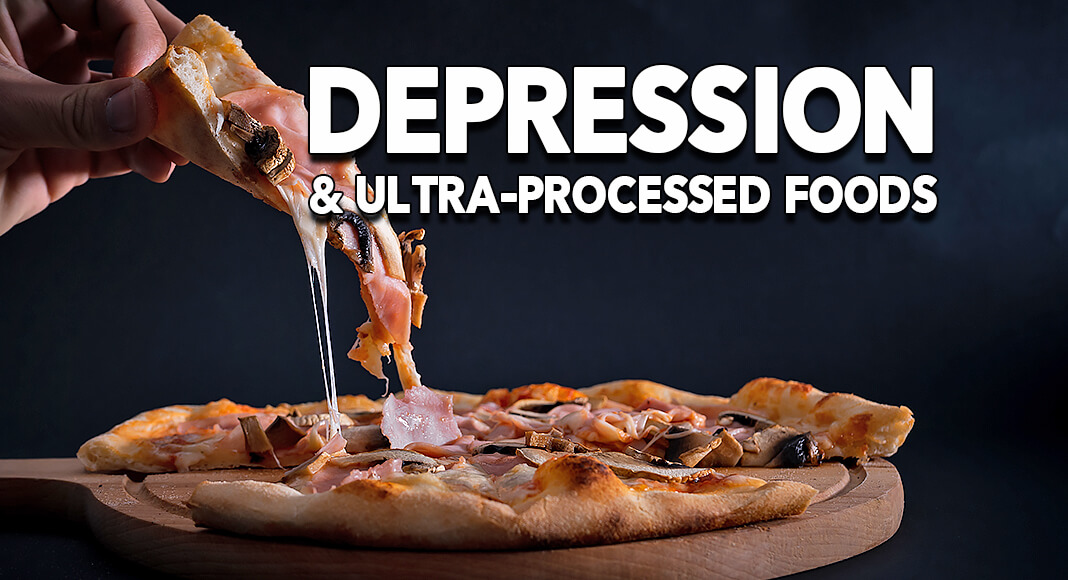
“This is no surprise. There is a connection between our mood and the foods that we eat,” said Susan Albers, PsyD, psychologist for Cleveland Clinic. “What we eat every day is a daily investment in how we feel.”  Image for illustration purposes
- Advertisement -

CLEVELAND CLINIC – Research continues to show how ultra-processed foods, like frozen meals and packaged snacks, can be harmful to your health. 

And now another study has discovered a possible link to depression. 
 
“This is no surprise. There is a connection between our mood and the foods that we eat,” said Susan Albers, PsyD, psychologist for Cleveland Clinic. “What we eat every day is a daily investment in how we feel.”  
 
Dr. Albers was not a part of the study but said ultra-processed foods trigger the release of dopamine into the brain, which makes you feel good. 

It’s also why we tend to crave them. 

- Advertisement -

However, as the study found, participants who ate a lot of ultra-processed foods, particularly foods with artificial sweeteners, were at higher risk for developing depression. 

Researchers are trying to figure out why that is but note it could have to do with how artificial sweeteners affect the brain. 
 
“While there is a link between depression and ultra-processed foods, we can’t say that there is a causal link,” said Dr. Albers. “People who are depressed may reach for ultra-processed food because they are comforting and convenient. When you are feeling depressed, you may not have the energy to shop, prepare or cook food.”  
 
Dr. Albers said if you want to cut back on ultra-processed foods, try swapping out packaged snacks for fruits, nuts or seeds. 

She also suggests reading labels before buying. 

If it has ingredients you can’t pronounce, it’s best to avoid. 

- Advertisement -
- Advertisement -

- Advertisement -

More Articles

FDA Approves First Heart Valve Designed to Grow with Children

The U.S. Food and Drug Administration today approved the Autus Size-Adjustable Valve, a surgically implanted pulmonary heart valve for pediatric patients with congenital pulmonary valve disease.

DHR Health Offers Mammogram Screening Special During “Breast Cancer Awareness Month”

October is “Breast Cancer Awareness Month,” and DHR Health is encouraging women to prioritize their breast health by offering their annual mammogram screening special.

Healthy Lifestyle Changes to Effectively Manage AFib

As alarming as an AFib diagnosis can be, it can give a person a chance to take control of contributing factors they can change, said Dr. Lee L. Eckhardt, a professor of medicine at the University of Wisconsin-Madison. People who learn they have AFib can change their habits in ways that may lower their risks over time.

How Robotic Innovation is Transforming Breast Cancer Surgery

October is Breast Cancer Awareness Month. Reports show one in eight women in the United States will develop breast cancer, and some may have to undergo a mastectomy, which can now be performed robotically.
- Advertisement -