







Mega Doctor News

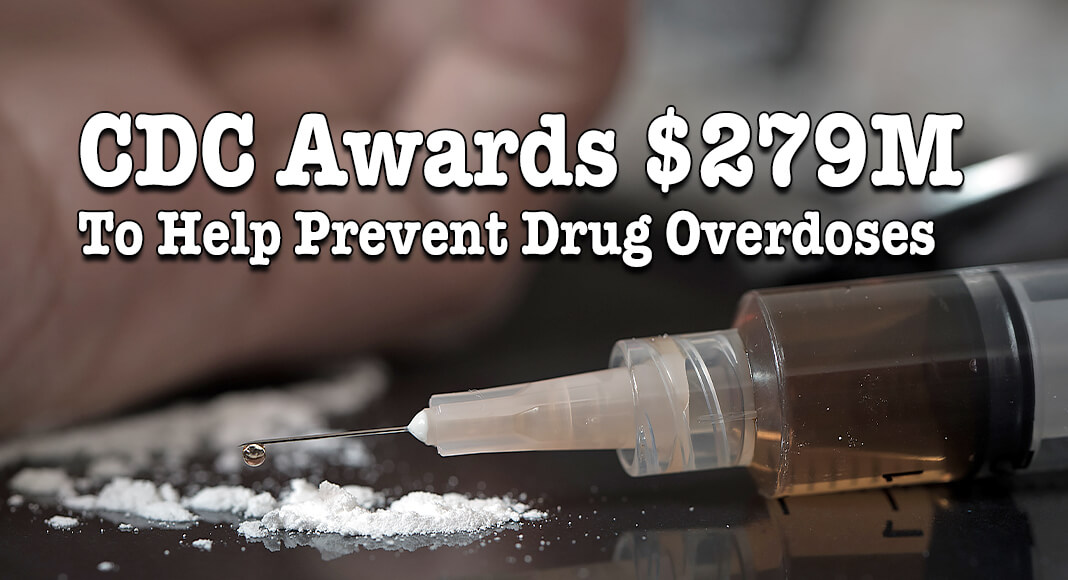
The Centers for Disease Control and Prevention (CDC) awarded $279 million to 49 states, the District of Columbia, and 40 local health departments to help stop overdoses within their communities. The resources come from two new Overdose Data to Action (OD2A) funding opportunities and fill a longstanding gap in funding for local communities by specifically supporting city, county, and territorial health departments.
The announcement of this award came on International Overdose Awareness Day (August 31), a day to remember and grieve those that we’ve lost, take action to encourage support and recovery, and help end overdose by spreading awareness about drug overdose prevention.
“The growing overdose crisis ― particularly among young people ― requires urgent action,” said Mandy K. Cohen, MD, MPH, Director for the Centers for Disease Control and Prevention. “To help, CDC is providing funding that will allow communities to respond more quickly, more effectively, and more equitably — using data to drive action steps that reduce overdose deaths and related harms in communities as fast as possible.”

Dr. Cohen announced the OD2A funding awards at an event held at the White House to highlight the Biden/Harris Administration investments to prevent overdose on International Overdose Awareness Day.
The OD2A funds will help states and communities respond more quickly, effectively, and equitably to prevent overdose death and injury.
Changes in the illicit drug supply, the continued threats from illegal fentanyl and other synthetic opioids, a rise in stimulant use, and the use of multiple drugs at one time are all making substance use deadlier than ever.
New information published today in CDC’s Morbidity and Mortality Weekly Report (MMWR), Drug Overdose Deaths with Evidence of Counterfeit Pill Use — United States, July 2019–December 2021, indicates an increasing percentage of overdose deaths involved counterfeit pill use. These pills are especially dangerous because they typically appear as pharmaceutical pills but often contain illegally made fentanyl and illegal benzodiazepines (such as bromazolam, etizolam, and flualprazolam) or other drugs, with or without people’s knowledge.
“The drug overdose crisis in the United States is constantly changing and complex and is claiming the lives of our parents, children, siblings, colleagues, and friends,” said Grant Baldwin, PhD, MPH, director of the Division of Overdose Prevention at the CDC’s National Center for Injury Prevention and Control. “CDC is committed to saving lives and to do this we must continue to provide our communities with the resources they need to stay ahead of and respond to this crisis.”
The growing overdose crisis, particularly among young people, requires prevention, treatment, recovery, and harm reduction efforts that are tailored to specific high-risk groups, and delivered in ways that will have an impact.
Three things that can be done to prevent overdose deaths:
- Increase access and reduce barriers to proven treatment and recovery support services for all people who have substance use disorder(s), like medications for opioid use disorder, and, when appropriate, include culturally tailored practices.
- Raise awareness about illegally made fentanyl and polysubstance use (the use of more than one drug) and reduce stigma around treatment, recovery, and harm reduction.
- Support harm reduction by expanding the distribution of and education about the life-saving opioid overdose reversal drug, naloxone, expand access to harm reduction services (e.g., distribution of naloxone, fentanyl test strips, and syringe service programs, as allowable), and expand education about substance use risks in populations that have been disproportionately impacted.
Find Treatment for Substance Use Disorder, including Opioid Use Disorder:
If you or someone close to you needs help for a substance use disorder, talk to your doctor or call SAMHSA’s National Helpline at 1-800-662-HELP or go to SAMHSA’s Behavioral Health Treatment Services
Additional Resources:
- Local health centers for substance abuse
- Opioid Treatment Program Directory
- Decisions in Recovery: Treatment for Opioid Use Disorder (Handbook)
If you have questions about any medicines, call the U.S. Department of Health and Human Services Poison Help Hotline at 1-800-222-1222.
To learn more about Overdose Data to Action, visit Overdose Data to Action | Drug Overdose | CDC Injury Center.
Information Source: CDC


