








loader image
Monday, December 22, 2025
76.5 F
McAllen
- Advertisement -

Tips To Protect Babies from Harmful UV Rays

Translate to Spanish or other 102 languages!

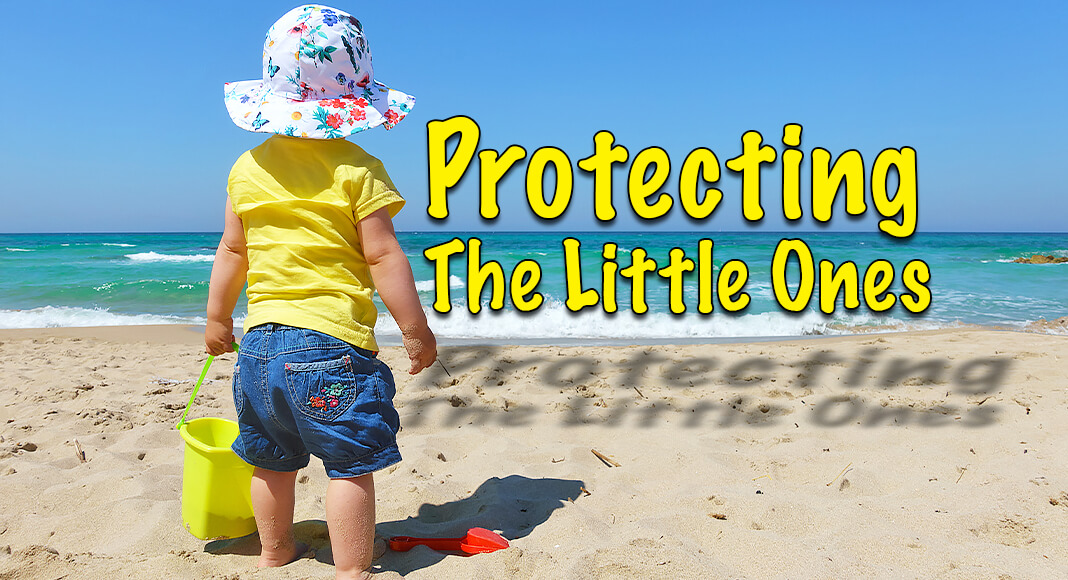
Since babies are much more prone to sunburn than older kids, it's especially important to protect them from the sun's harmful ultraviolet (UV) rays. Megha Tollefson, M.D., a Mayo Clinic pediatric dermatologist, offers tips for keeping babies safe outdoors. Image for illustration purposes

Since babies are much more prone to sunburn than older kids, it’s especially important to protect them from the sun’s harmful ultraviolet (UV) rays. Megha Tollefson, M.D., a Mayo Clinic pediatric dermatologist, offers tips for keeping babies safe outdoors. Image for illustration purposes

Mega Doctor News

- Advertisement -

 By Mayo Clinic

Newswise — ROCHESTER, Minnesota — Skin cancer is the most common cancer in the United States and the fifth-most common worldwide. It only takes one blistering sunburn during childhood or adolescence to nearly double a person’s chance of developing melanoma later in life, according to the American Academy of Dermatology Association.  

Since babies are much more prone to sunburn than older kids, it’s especially important to protect them from the sun’s harmful ultraviolet (UV) rays. Megha Tollefson, M.D., a Mayo Clinic pediatric dermatologist, offers tips for keeping babies safe outdoors. 

- Advertisement -

“Sunburns can be very painful,” Dr. Tollefson says. They can be a setup for infection if they’re fairly severe.” 

While sunburns are thought to be short-term concerns, there are also long-term risks to sun exposure. 

“The more UV exposure a child gets — especially the younger in life that it starts — and the more sunburns they have, the higher their risk for skin cancer later in life,” Dr. Tollefson says. 

Sun protection in the first 20 years of life is the most crucial for protecting against long-term skin cancer risk. 

- Advertisement -

For infants, it’s best to avoid peak sun hours from 10 a.m. to 4 p.m. If that’s not possible, cover the baby with shade or long-sleeved clothing and a hat. 

Dr. Tollefson also recommends using sunscreen on areas of exposed skin. 

“We would recommend that, at that age, parents use the sunscreens that have physical blockers rather than chemical blockers because they’re better for sensitive skin,” she says. 

Look for titanium dioxide and zinc oxide when selecting a sunscreen for baby. Remember to reapply sunscreen every two hours or right after swimming or sweating. 

Enjoying time outdoors is important for good health. Staying protected from the sun will allow you and your baby to do so safely. 

About Mayo Clinic    Mayo Clinic is a nonprofit organization committed to innovation in clinical practice, education and research, and to providing compassion, expertise and answers to everyone who needs healing. Visit the Mayo Clinic News Network for additional Mayo Clinic news.    

- Advertisement -
- Advertisement -

- Advertisement -

More Articles

6 Depression Symptoms in Midlife Linked to Almost 50% Higher Dementia Risk

In 2021, about 57 million people globally were living with dementia — an umbrella term for neurological conditions that impact a person’s cognitive skills and memory, such as Alzheimer’s disease and vascular dementia

FDA Approves Daily Pill to Treat Low Libido in Women After Menopause

On December 15, 2025, the U.S. Food and Drug Administration (FDA) approved the medication Addyi (flibanserin) for the treatment of hypoactive sexual desire disorder (HSDD) in postmenopausal women under the age of 65.

Heart Association Highlights 2025’s Major Research Findings

In 2025, cardiovascular investigators worldwide reported findings that could help fill important gaps in preventing and managing conditions including high blood pressure, stroke, heart failure, dangerous blood clots and aortic stenosis.

Uniting Experts to Revolutionize Cancer Treatment

More than 70% of all cancers are impacted by mutations caused by a group of DNA-editing enzymes that drives tumor growth and drug resistance. The apolipoprotein B mRNA-editing enzyme catalytic polypeptide, or APOBEC, family, is a dominant factor in many cancers including bladder, breast, cervical, head and neck and lung.
- Advertisement -
×

