



Diabetes, High Blood Pressure, and Chronic Kidney Disease (CKD)

Translate to Spanish or other 102 languages!

If you or someone in your family has diabetes, high blood pressure or a history of kidney disease, you could be at risk for developing CKD. Image for illustration purposes

Mega Doctor News

- Advertisement -

American Diabetes Association

If you or someone in your family has diabetes, high blood pressure or a history of kidney disease, you could be at risk for developing CKD. 

CKD develops when the kidneys lose most of their ability to remove waste and maintain fluid and chemical balances in the body. CKD can progress quickly or take many years to develop.

- Advertisement -

Knowing Your Risk Factors

Many people don’t know they have diabetes or high blood pressure, so they aren’t managing these problems which can lead to CKD. Below are things to keep in mind:

  • 1 in 10 Americans has diabetes, the leading cause of kidney disease
  • Nearly half of Americans have high blood pressure or are taking a medication for it, the second leading cause of kidney disease.
  • Anyone with diabetes, high blood pressure, or a family history of kidney disease is at risk for CKD
  • About 37 million Americans have CKD
  • 9 in 10 adults with CKD don’t know they have it
  • African Americans, Latinos or Hispanics, American Indians and Alaska Natives, are at high risk for developing kidney failure in part due to high rates of diabetes and blood pressure in these communities
  • Kidney disease is more common in people aged 65 years or older. Together, diabetes and high blood pressure account for almost two in three cases of CKD.

Preventing and Delaying CKD

Anyone with diabetes and/or high blood pressure can take steps to try and prevent CKD, and those who already have CKD can try and slow the process. Early detection, managing blood sugar (blood glucose) levels and blood pressure, living a healthy lifestyle, and health education can help prevent or delay CKD from progressing.
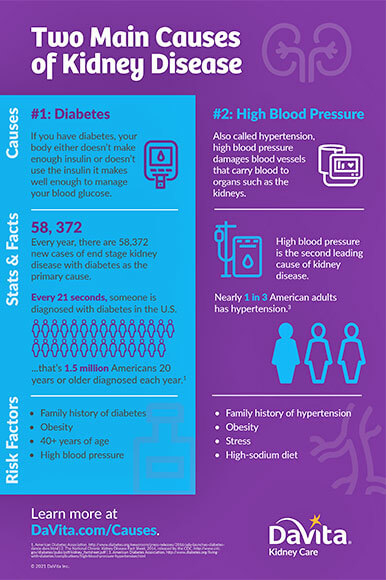

Image courtesy of ADA
- Advertisement -
- Advertisement -

- Advertisement -

More Articles

Insomnia Linked to a Higher Risk of Stroke

 Insomnia is not only associated with poor sleep and reduced daytime functioning, but may also be an indicator of increased health risks. An international review by the European Academy of Neurology, in collaboration with MedUni Vienna, shows a link to stroke, hospital admissions and several neurological and mental health conditions. The findings were published in the high ranking journal “Sleep Medicine Reviews”.

DHR Health’s “Walk and Talk with a Doc” for Breast Cancer Awareness, October 1st in Edinburg

The month of October is “Breast Cancer Awareness Month,” and DHR Health’s Oncology Institute will host “Walk and Talk with a Doc” event on October 1, 2026, at 6:30 p.m. The free event will take place at the DHR Health Heart Institute parking lot, located at 5525 Doctors Drive in Edinburg. Everyone is invited. Attendees are encouraged to wear pink in support of the fight against breast cancer.

Check Your Car Seat: Nearly 1 in 2 Are Installed Incorrectly

Mega Doctor News AUSTIN – Is your child’s car seat secure? For many...

Multicancer Blood Test Detects 17 Cancer Types in Large Prospective Study

A large prospective study published in Nature Medicine found that a blood test designed to detect multiple cancers identified cancer signals across 17 broad cancer types, such as ovarian, lung, breast and colorectal cancers, and many which do not have recommended screening tests.
- Advertisement -