

loader image
Saturday, February 7, 2026
60.7 F
McAllen
- Advertisement -

Wandering Big Risk for those with Dementia

Translate to Spanish or other 102 languages!

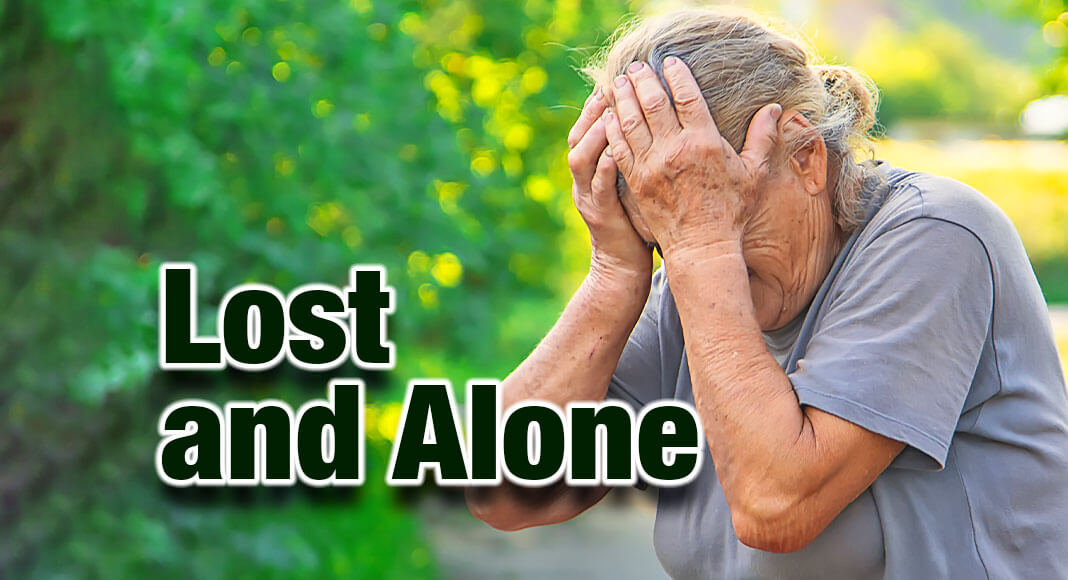
For example, if an individual were get outside in cold weather, they could get hypothermia, frostbite or suffer from dehydration. Image for illustration purposes

Mega Doctor News

- Advertisement -

CLEVELAND CLINIC – Alzheimer’s disease can affect people in many different ways, like causing some to wander. Six in ten people living with dementia will wander at least once, with many doing so repeatedly.

“I think that oftentimes family members or friends don’t bring it up in the medical visit because there are so many other things that they are bringing up. So I think that it’s underreported from the family perspective,” said Shaina Meyer, OTR/L, MSCS, occupational therapist for Cleveland Clinic. “I also think that maybe as healthcare professionals we could do a better job of asking if certain behaviors are occurring that could indicate wandering.”

Meyer said wandering comes in different forms, including elopement, which means attempting to escape, repetitive pacing and becoming lost.

- Advertisement -

It most cases it can be harmless, but it can lead to more dangerous situations and even result in injury or death.

For example, if an individual were get outside in cold weather, they could get hypothermia, frostbite or suffer from dehydration.

Meyer said there are many things a caretaker or family members can do to help keep their loved one with dementia safe.

They could add new locks on the door, install an alarm system or a buy a GPS tracker.

- Advertisement -

“That way if someone were to elope from the home or the environment that they live in they can be tracked and returned safely,” she said.

Meyer adds that it’s also important to know the person’s usual behavior and telltale signs that they might be getting ready to wander.

And of course, make sure to express any concerns with their medical provider. There are plenty of resources available.


- Advertisement -
- Advertisement -

- Advertisement -

More Articles

Inside the Physiology and Neuroscience of Winter Olympians

What makes Olympians the very best at what they do — even in cold, slippery or icy conditions? 

Study Finds 60% of American Women Choose Clinic Visits Over At‑Home Cervical Screening

American women now have the option of screening for cervical cancer at home, using newly approved self-collection tools. While experts hope this will increase uptake in the under-screened population, a first-of-its kind study by researchers from The University of Texas MD Anderson Cancer Center found the majority (60.8%) still prefer to see a medical professional in-clinic.

Food Safety Tips for a Healthy Super Bowl Sunday

Super Bowl parties often feature takeout, delivery and foods that are served over several hours. To help prevent foodborne illness, the U.S. Department of Agriculture’s (USDA) Food Safety and Inspection Service (FSIS) is reminding fans to keep food safety in play on game day.

FDA Updates Guidance on “No Artificial Colors” Labels as Natural Options Expand

The U.S. Food and Drug Administration took additional steps to support the transition of our nation’s food supply from the use of artificial petroleum-based colors to alternatives derived from natural sources. Companies will now have flexibility to claim products contain ‘no artificial colors’ when the products do not contain petroleum-based colors. In the past, companies were generally only able to make such claims when their products had no added color whatsoever — whether derived from natural sources or otherwise
- Advertisement -
×