
Mega Doctor News


A new University of Gothenburg study has paved the way for the first drug treatment for sleep apnea. Compared to before receiving the treatment, breathing pauses decreased with on average more than 20 per hour for patients given the drug.
The treatment that has been tested is carbonic anhydrase (CA) inhibition, CA being an enzyme that serves to maintain a balance between carbonic acid and carbon dioxide in the body. Several drugs with CA inhibitory properties are already available on the market, and used for treatment of glaucoma, epilepsy and other disorders.

Previous research has not systematically tested whether CA inhibitors also might be used to treat obstructive sleep apnea. The current study was a randomized double-blind clinical trial, and 59 patients with moderate or severe sleep apnea completed it. Patients were randomly assigned to two groups receiving either 400 or 200 mg of the CA inhibitor, and a third group (the control group) that received placebo. The study lasted for four weeks.
Fewer breathing pauses
The results show that, overall, the treatment reduced the number of breathing pauses and promoted oxygenation during the night. A few patients experienced side effects, such as headache and breathlessness, which were more common in those receiving the highest dose.
The study results together with established safety data of the drug sulthiame provide support for continued research on CA inhibition as a new potential treatment for obstructive sleep apnea.
“Among the patients who received the higher dosage of the drug, the number of breathing pauses decreased by approximately 20 per hour. For just over a third of patients in the study, only half of their breathing pauses were left, and in one in five the number fell by at least 60 percent,” says Jan Hedner, Professor of Pulmonary Medicine.
The fact that several approved drugs in the CA inhibitor category are available on the market makes fast-tracking development of an approved drug for sleep apnea practicable. The drug used in this clinical trial was sulthiame, which is sometimes used to treat epilepsy in children.
Treatment options needed
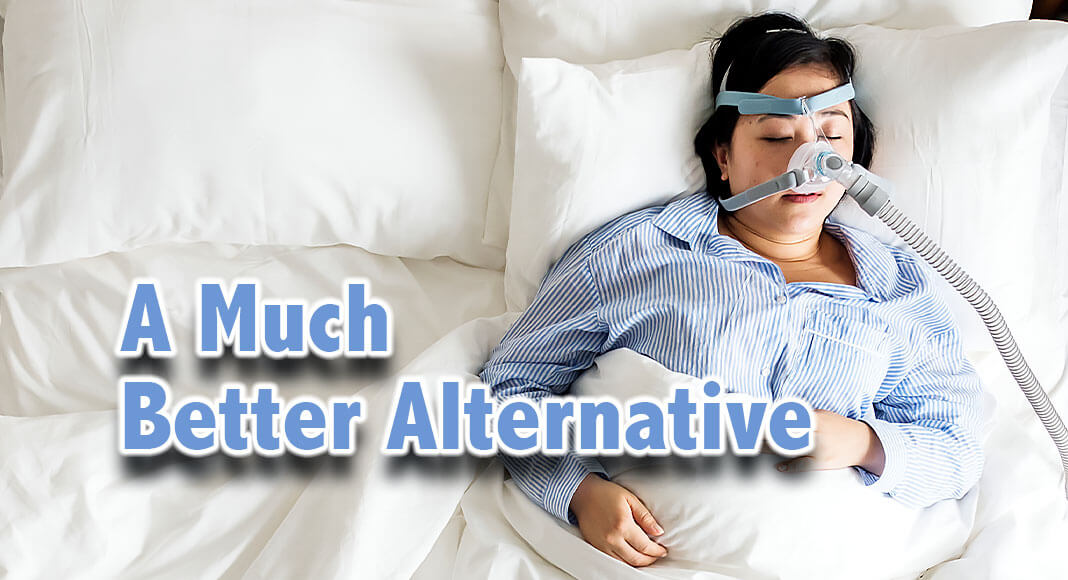
Today, treatment for a patient with sleep apnea is either an oral appliance therapy or a CPAP (Continuous Positive Airway Pressure) mask. Both help to maintain airway patency during sleep.
“These therapy options take time to get used to and, since they frequently are perceived as intrusive or bulky. Insufficient user time is therefore common. If we develop an effective drug, it will therefore make life easier for many patients and, in the long run, potentially also save more lives,” says Ludger Grote, Senior Lecturer at Sahlgrenska Academy, University of Gothenburg.
The German pharmaceutical company Desitin Arzneimittel GmbH funded the trial, and the results are published in the American Journal of Respiratory and Critical Care Medicine.