Mega Doctor News

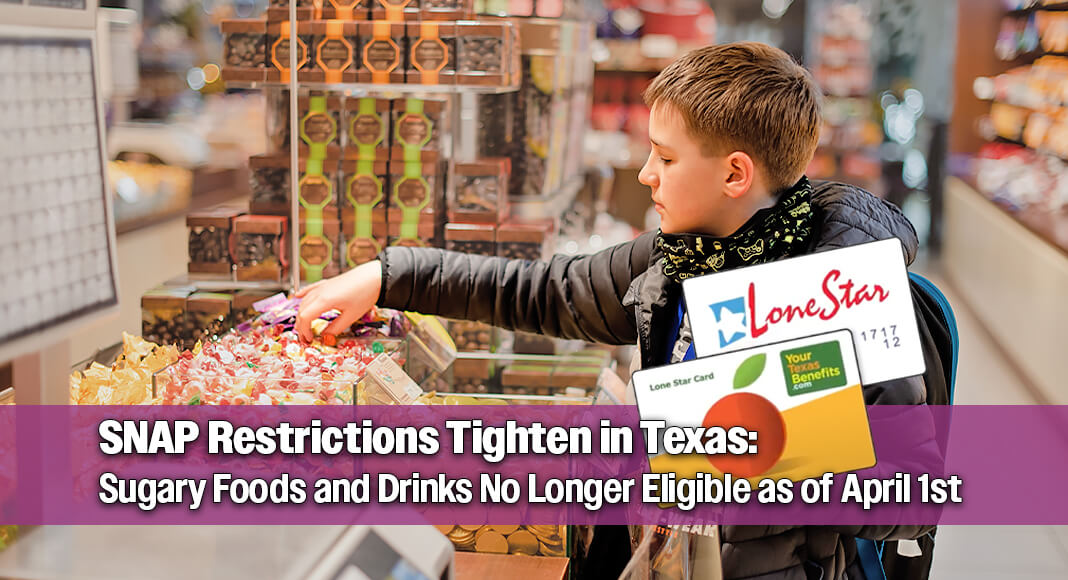
AUSTIN – The Texas Health and Human Services Commission reminds Supplemental Nutrition Assistance Program (SNAP) recipients that they can no longer buy candy or sweetened drinks with their Lone Star Cards in Texas starting April 1, 2026.
“Texas is leading the way in aligning SNAP benefits with healthier food options,” Gov. Greg Abbott said. “By implementing these changes, we encourage better nutrition and ensure this program helps families access nutritional food. I thank the Trump Administration and the Texas Health and Human Services Commission for their work to strengthen this program and better serve Texans.”
The new restrictions prohibit SNAP benefits from being used to purchase candy, gum or sweetened drinks, including beverages made with water that contain 5 grams or more of added sugar or any amount of artificial sweetener. The restrictions also apply to fruit, raisins and nuts that have been candied, crystalized, glazed or coated with chocolate, yogurt or caramel.

“I thank Gov. Abbott and the Texas Legislature for taking action to improve long-term health outcomes for SNAP recipients,” HHS Executive Commissioner Stephanie Muth said. “These changes will lead to healthier food choices and support the development of healthy eating habits that last a lifetime.”
Last year, Gov. Abbott submitted a letter to the U.S. Department of Agriculture Food and Nutrition Service (FNS) requesting a waiver to prohibit SNAP benefits from being used to purchase sweetened drinks and candy. The 89th Texas Legislature outlined the SNAP purchase restrictions in Senate Bill 379, which Gov. Abbott signed into law. FNS approved the waiver in August 2025.
HHSC is making Texans aware of the changes through educational material in local offices, the HHS website and social media. Retailers and other SNAP stakeholders can find resources with messages, posters and graphics in English and Spanish to help educate SNAP recipients about the upcoming limitations.
SNAP is a federal program administered by HHSC that provides food assistance to approximately 3.3 million low-income Texans. Benefits allow SNAP recipients to purchase foods like fruits and vegetables, meats, cereals, milk, plants and garden seeds.
Visit the SNAP Food Benefits webpage or dial 2-1-1 to learn about SNAP and other programs and services.